


 SPARK Website
How do swimming pool contractors near me estimate project timelines?
Introduction
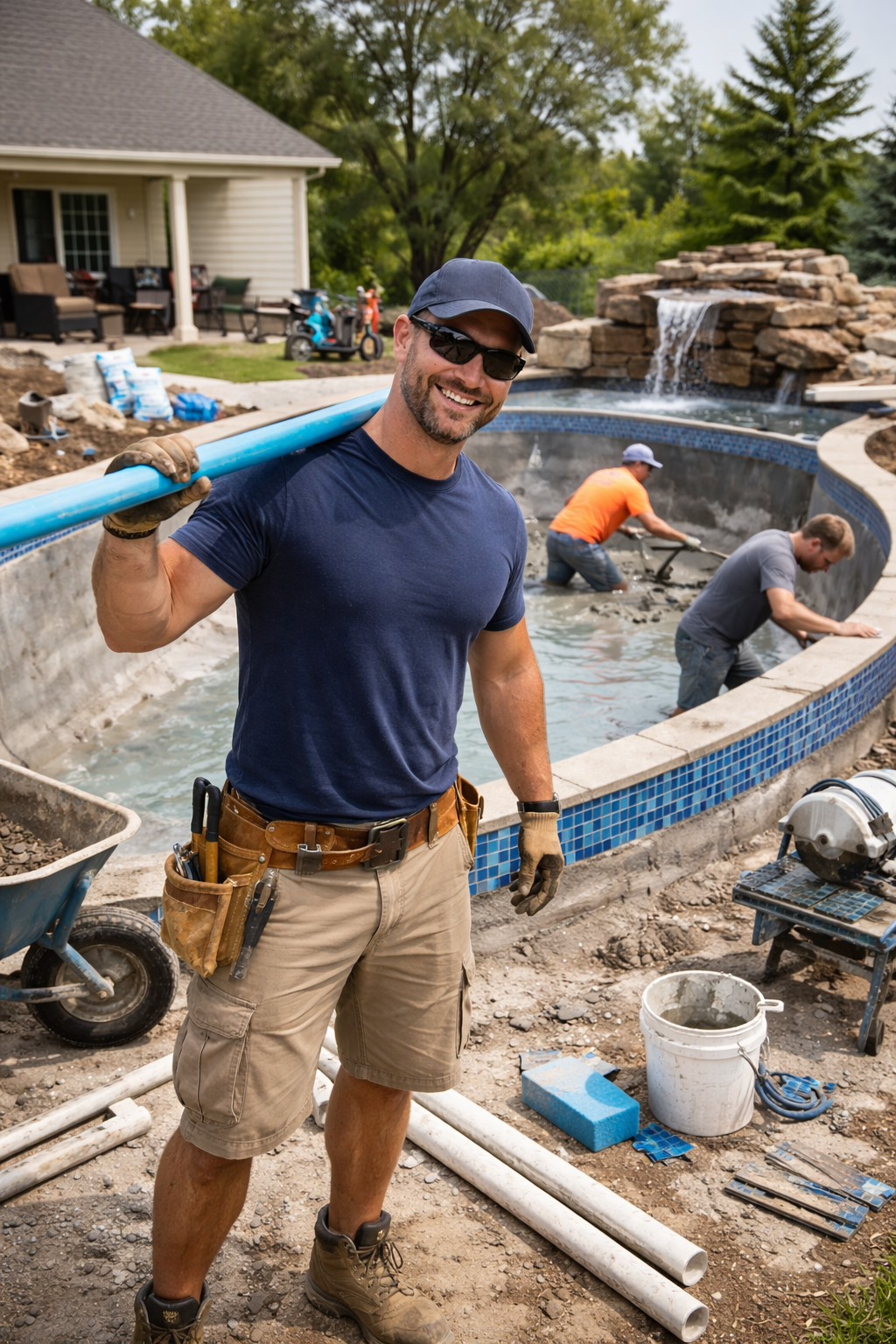
When planning a new swimming pool, one of the first questions homeowners ask is how long the project will take. Professional swimming pool contractors near me carefully evaluate multiple factors before creating a realistic construction schedule. Estimating timelines accurately helps ensure smooth project execution, proper resource allocation, and clear expectations for everyone involved.
A well-planned timeline considers everything from site conditions and design complexity to material availability and weather conditions.
Initial Site Assessment
The first step in estimating project timelines is conducting a detailed site inspection.
Professional swimming pool contractors near me evaluate:
- Property size and layout
- Site accessibility
- Soil conditions
- Groundwater levels
- Existing structures
The information gathered helps contractors understand the scope of work and potential challenges.
Reviewing Project Requirements
Every swimming pool project is unique.
Contractors assess:
- Pool size
- Pool shape
- Desired features
- Construction method
- Finishing requirements
Larger and more complex projects typically require longer construction schedules.
Evaluating Design Complexity
Pool design has a direct impact on project duration.
Examples of designs that may require additional time include:
- Infinity pools
- Rooftop pools
- Freeform pools
- Multi-level pools
- Pools with integrated spas
More intricate designs often involve additional engineering and construction stages.
Assessing Site Accessibility
Access to the construction site plays an important role in scheduling.
Contractors consider:
- Entry points for machinery
- Material delivery access
- Available working space
- Equipment movement requirements
Limited access may require alternative construction methods and additional planning.
Analyzing Soil Conditions
Soil conditions influence excavation and structural planning.
Potential challenges include:
- Rocky terrain
- Clay-rich soil
- Loose fill material
- Uneven ground
Additional site preparation can affect construction timelines.
Considering Groundwater Conditions
High groundwater levels can create construction challenges.
Contractors may need to plan for:
- Drainage systems
- Dewatering procedures
- Additional waterproofing measures
These factors can influence project scheduling.
Preparing Design and Engineering Plans
Before construction begins, contractors coordinate design and engineering work.
This stage often includes:
- Structural planning
- Reinforcement design
- Equipment layout planning
- Technical reviews
Accurate planning helps prevent delays during construction.
Scheduling Excavation Work
Excavation is one of the first major construction activities.
Contractors estimate:
- Excavation duration
- Soil removal requirements
- Equipment needs
- Site preparation tasks
The size and complexity of the excavation affect the schedule.
Planning RCC Construction
Most modern swimming pools use RCC (Reinforced Cement Concrete) construction.
Contractors allocate time for:
- Reinforcement placement
- Formwork installation
- Concrete pouring
- Concrete curing
Proper curing is especially important for long-term durability.
Waterproofing Schedule
Waterproofing requires careful planning and execution.
Contractors include time for:
- Surface preparation
- Waterproofing application
- Protective treatments
- Inspection procedures
Rushing this stage can compromise quality.
Plumbing Installation Planning
Pool plumbing systems must be installed accurately.
Timeline estimates consider:
- Pipe installation
- Drainage systems
- Equipment connections
- Testing procedures
Well-planned plumbing installation supports efficient project progression.
Electrical Work Scheduling
Modern pools often include lighting and automation systems.
Contractors schedule:
- Wiring installation
- Equipment connections
- Lighting integration
- System testing
Electrical work is coordinated with other construction activities.
Equipment Installation Requirements
The installation of pool equipment is another factor in timeline estimation.
This may include:
- Pumps
- Filters
- Automation systems
- Water treatment equipment
Contractors ensure equipment installation aligns with the overall construction schedule.
Water Feature Construction
Custom features often require additional time.
Examples include:
- Waterfalls
- Deck jets
- Water walls
- Infinity-edge systems
Specialized installations may extend the project timeline.
Finishing and Tiling Work
The finishing stage requires precision and attention to detail.
Contractors estimate time for:
- Tile installation
- Surface finishes
- Decorative elements
- Edge detailing
The complexity of finishes influences project duration.
Weather Considerations
Weather is a major factor in construction scheduling.
Contractors account for:
- Rainfall
- Extreme temperatures
- Seasonal weather patterns
- Site conditions after storms
Allowing for weather-related delays helps create realistic timelines.
Material Availability
Project schedules depend on timely access to materials.
Contractors evaluate:
- Material procurement timelines
- Delivery schedules
- Product availability
- Transportation logistics
Planning ahead helps minimize disruptions.
Labor and Resource Planning
Experienced contractors carefully coordinate labor resources.
This includes:
- Construction crews
- Waterproofing specialists
- Plumbers
- Electricians
- Equipment technicians
Efficient resource allocation supports timely completion.
Quality Control Inspections
Professional contractors build quality inspections into the schedule.
These inspections may occur during:
- Excavation
- Structural construction
- Waterproofing
- Equipment installation
- Final finishing
Regular inspections help prevent costly rework.
Testing and Commissioning
Before project completion, all systems must be tested.
Contractors allocate time for:
- Leak testing
- Plumbing inspections
- Filtration testing
- Equipment verification
Testing ensures the pool operates correctly before handover.
Accounting for Unexpected Challenges
Experienced contractors understand that unforeseen issues can arise.
Potential challenges include:
- Soil complications
- Utility conflicts
- Design modifications
- Weather disruptions
Contingency planning helps reduce schedule impacts.
Maintaining Client Communication
Timeline estimates are most effective when homeowners remain informed.
Professional contractors provide:
- Progress updates
- Milestone reviews
- Schedule adjustments
- Project status reports
Transparent communication helps manage expectations.
Creating Realistic Milestones
Rather than focusing only on the final completion date, contractors often establish milestones for:
- Site preparation
- Excavation completion
- Structural construction
- Waterproofing completion
- Equipment installation
- Final handover
Milestones make project tracking easier.
Benefits of Accurate Timeline Estimation
Reliable scheduling provides several advantages:
- Better project organization
- Improved resource management
- Reduced stress for homeowners
- Higher construction efficiency
- Better quality control
Accurate timelines contribute to a smoother construction experience.
Conclusion
Professional swimming pool contractors near me estimate project timelines by evaluating site conditions, design complexity, engineering requirements, RCC construction stages, waterproofing needs, plumbing and electrical installations, material availability, weather conditions, quality inspections, and testing procedures. Through careful planning and project management, contractors create realistic schedules that support both construction quality and timely completion.
For homeowners, villa owners, hotels, resorts, and commercial developers, Swimwell Pools provides detailed project planning, expert RCC construction, advanced waterproofing systems, modern filtration technology, professional scheduling, and transparent communication to ensure swimming pool projects are completed efficiently and to the highest standards.
FAQ
1. What factors most influence swimming pool construction timelines?
Pool size, design complexity, site conditions, weather, material availability, and construction methods all play important roles.
2. Why is a site assessment necessary before estimating timelines?
Site assessments help identify soil conditions, drainage issues, accessibility challenges, and other factors that may affect construction schedules.
3. How do weather conditions impact pool construction?
Rain, extreme temperatures, and adverse weather can delay excavation, concrete work, waterproofing, and finishing stages.
4. Why do contractors include quality inspections in project timelines?
Inspections help verify that construction meets required standards and reduce the risk of costly corrections later.
5. Can custom features extend project timelines?
Yes. Features such as infinity edges, waterfalls, integrated spas, and advanced automation systems often require additional construction and testing time.
Read Our Previous Blog -------> What skills make a professional swimming pool builder stand out?

 English