


 SPARK Website
How Does Pelvic Floor Training Compare to Kegels?
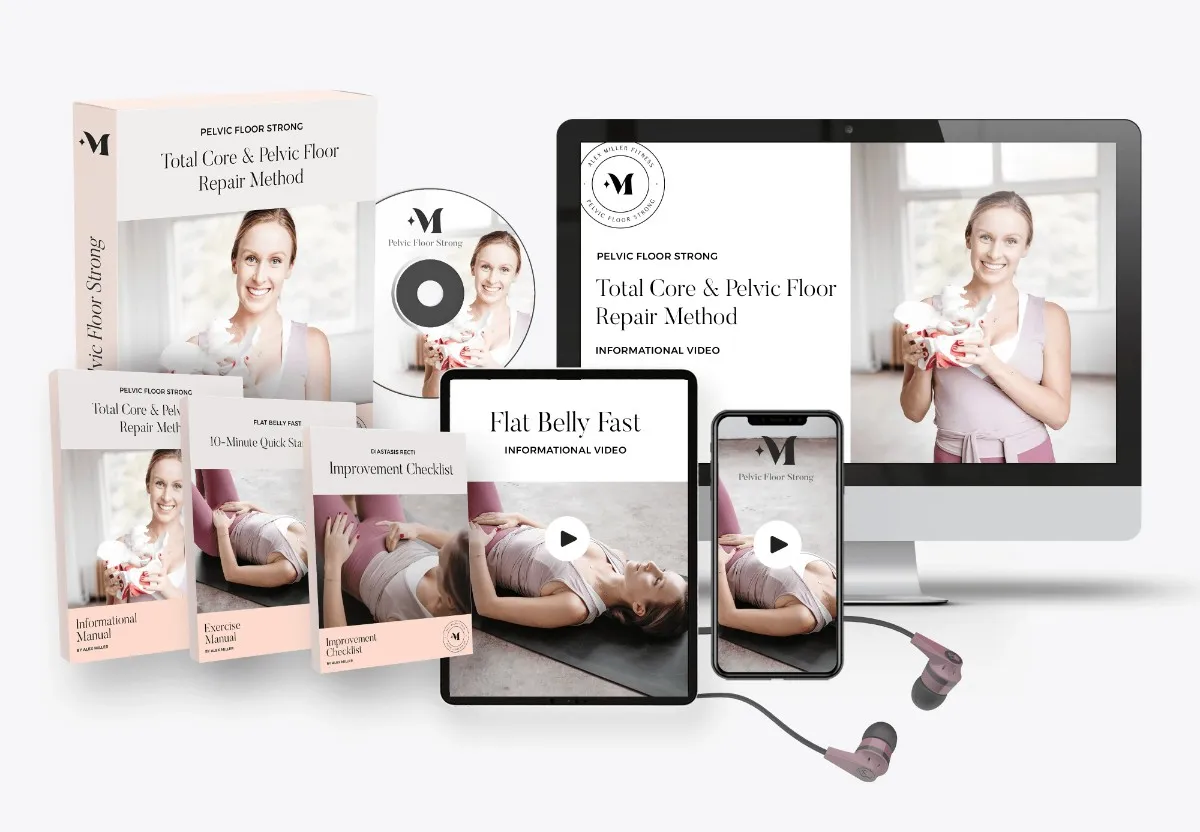
Pelvic floor health has become an important topic for women looking to improve core strength, bladder control, posture, and overall well-being. Many people have heard of Kegel exercises, but newer approaches to pelvic floor training focus on the entire core rather than a single group of muscles. This has led many women to ask an important question: How does pelvic floor training compare to Kegels?
While both approaches aim to support pelvic health, they differ in how they target the body and the results they may help achieve. Understanding these differences can help you choose an approach that best fits your needs and lifestyle.
What Is Pelvic Floor Training?
Pelvic floor training is a broad term that refers to exercises and movement techniques designed to improve the strength, coordination, flexibility, and function of the pelvic floor muscles.
Modern pelvic floor training often goes beyond isolated muscle contractions. Instead, it focuses on how the pelvic floor works together with other muscles that make up the body's core support system, including:
-
The diaphragm
-
Deep abdominal muscles
-
Lower back muscles
-
Gluteal muscles
Because these muscles work as a team, improving their coordination can support better posture, balance, movement, and core stability.
Many digital programs also include breathing techniques, posture correction, and gentle movement routines that encourage natural muscle function.
What Are Kegel Exercises?
Kegel exercises were developed to strengthen the pelvic floor muscles through repeated contractions and relaxations.
A basic Kegel involves tightening the muscles used to stop the flow of urine, holding the contraction briefly, and then relaxing.
These exercises are commonly recommended for women experiencing:
-
Mild bladder leakage
-
Reduced pelvic muscle strength
-
Recovery after pregnancy
-
Age-related pelvic floor weakness
Kegels can be effective when performed correctly, but many people either contract the wrong muscles or over-tighten muscles that may already be tense.
Key Differences Between Pelvic Floor Training and Kegels
Although both methods focus on pelvic health, they use different approaches.
1. Focus of Training
Pelvic Floor Training
-
Strengthens the entire core support system
-
Improves muscle coordination
-
Includes breathing exercises
-
Encourages proper posture
-
Promotes functional movement
Kegels
-
Focus mainly on contracting pelvic floor muscles
-
Target isolated muscle strengthening
-
Typically do not address posture or breathing
2. Whole-Body vs. Isolated Exercise
One of the biggest differences is that pelvic floor training views the body as one connected system.
The pelvic floor naturally works with the diaphragm and abdominal muscles during breathing, lifting, walking, and everyday movement.
Instead of strengthening one muscle alone, comprehensive pelvic floor programs teach these muscles to function together.
Kegels, by comparison, primarily isolate one group of muscles.
3. Breathing Techniques
Healthy breathing is essential for pelvic floor function.
Modern pelvic floor training teaches diaphragmatic breathing, allowing pressure inside the abdomen to remain balanced.
Proper breathing may help:
-
Improve core activation
-
Reduce unnecessary tension
-
Support better posture
-
Encourage natural pelvic movement
Traditional Kegels usually do not include breathing instruction.
4. Posture Awareness
Poor posture places additional stress on the pelvic floor.
Many pelvic floor training programs include:
-
Standing posture
-
Sitting posture
-
Walking mechanics
-
Spine alignment
Improving posture may reduce strain while supporting long-term core stability.
Kegels generally do not address posture.
5. Functional Movement
The pelvic floor supports almost every daily movement.
Comprehensive pelvic floor programs often include gentle movements that mimic real-life activities.
Examples include:
-
Sitting
-
Standing
-
Walking
-
Lifting
-
Bending
Training muscles during natural movement helps improve functional strength.
Kegels are usually performed while sitting or lying down.
Strengthen Your Pelvic Floor Starting Today
Benefits of Pelvic Floor Training
Women who follow a comprehensive pelvic floor training program may experience improvements such as:
Better Core Stability
A stronger, coordinated core provides better spinal support during daily activities.
Improved Posture
Balanced muscle function helps maintain healthy body alignment.
Better Body Awareness
Understanding how muscles work together encourages healthier movement patterns.
Enhanced Balance
Core stability contributes to improved balance and coordination.
Comfortable Daily Movement
Many women find everyday activities become easier as muscle coordination improves.
Benefits of Kegel Exercises
Kegels may still provide valuable benefits, including:
-
Strengthening pelvic floor muscles
-
Supporting bladder control
-
Improving muscle awareness
-
Assisting postpartum recovery
-
Maintaining pelvic muscle function with age
When performed correctly and under appropriate guidance, Kegels remain an important exercise for many women.
Can Kegels Be Overdone?
Yes.
Some women assume that stronger contractions always produce better results.
However, constantly tightening already tense muscles may contribute to discomfort and muscle imbalance.
For this reason, many pelvic health specialists emphasize the importance of both muscle contraction and relaxation.
Balanced muscle function is often more beneficial than constant tightening.
Which Approach Is Better?
There is no single answer because every woman has different needs.
Pelvic floor training may be preferable for women seeking:
-
Better posture
-
Core stability
-
Functional movement
-
Whole-body coordination
-
Breathing awareness
-
Everyday mobility
Kegels may be helpful for women specifically instructed by a healthcare provider to strengthen pelvic floor muscles.
In many situations, Kegels can also be incorporated into a broader pelvic floor training program.
Improve Core Health with Pelvic Floor Training
Who May Benefit from Pelvic Floor Training?
Pelvic floor training may be suitable for women who:
-
Want stronger core muscles
-
Experience occasional bladder leakage
-
Notice reduced balance
-
Wish to improve posture
-
Are recovering after pregnancy
-
Want a gentle home exercise routine
-
Seek better body awareness
Individuals experiencing significant pain or persistent pelvic symptoms should consult a qualified healthcare professional before beginning any exercise program.
Tips for Better Pelvic Floor Health
Whether you choose pelvic floor training or Kegels, these habits may support healthy function:
-
Practice proper breathing.
-
Maintain good posture.
-
Avoid excessive straining.
-
Stay physically active.
-
Strengthen the entire core.
-
Follow consistent routines.
-
Listen to your body.
-
Seek professional guidance when needed.
Final Thoughts
Pelvic floor training and Kegel exercises both play valuable roles in supporting pelvic health, but they are not exactly the same. Kegels primarily strengthen the pelvic floor through repeated contractions, while modern pelvic floor training focuses on improving the coordination of the pelvic floor, diaphragm, abdominal muscles, and posture as a complete system.
For many women, a whole-body approach may provide broader benefits by enhancing core stability, movement quality, posture, and everyday comfort. The best choice depends on your individual goals, physical condition, and guidance from a qualified healthcare professional.
By understanding the differences between pelvic floor training and Kegels, you can make informed decisions and choose a routine that supports long-term strength, balance, and overall wellness.
Frequently Asked Questions (FAQ)
What is the main difference between pelvic floor training and Kegels?
Pelvic floor training focuses on the entire core system, including breathing, posture, and coordinated movement. Kegels primarily target isolated pelvic floor muscle contractions.
Are Kegels enough to improve pelvic floor health?
Kegels may help strengthen pelvic floor muscles, but some people benefit from a broader program that also addresses posture, breathing, and core coordination.
Can beginners do pelvic floor training?
Yes. Many pelvic floor programs are designed for beginners and include gentle, step-by-step exercises that can be performed at home.
How often should pelvic floor exercises be done?
Consistency is generally recommended. The ideal frequency depends on your goals and any guidance from a healthcare professional.
Build Better Bladder Control Naturally
Can pelvic floor training replace medical treatment?
No. Pelvic floor exercises support general fitness and wellness but should not replace medical evaluation or treatment for ongoing pelvic health concerns.

 عربي
عربي