


 SPARK Website
Joule in SAP Analytics Cloud: What it actually does (and what it still can't do) in 2026
As AI continues reshaping enterprise analytics, many organizations entering 2026 are asking the same question: Is Joule in SAP Analytics Cloud (SAC) actually transforming analytics, or is it simply another AI assistant with attractive marketing? The reality sits somewhere in the middle. Joule has become more capable and practical than earlier versions, but businesses still need realistic expectations. Recent SAP updates show stronger conversational analytics and story-generation capabilities, yet it remains a support layer rather than a replacement for human expertise.
What Joule actually does in 2026:
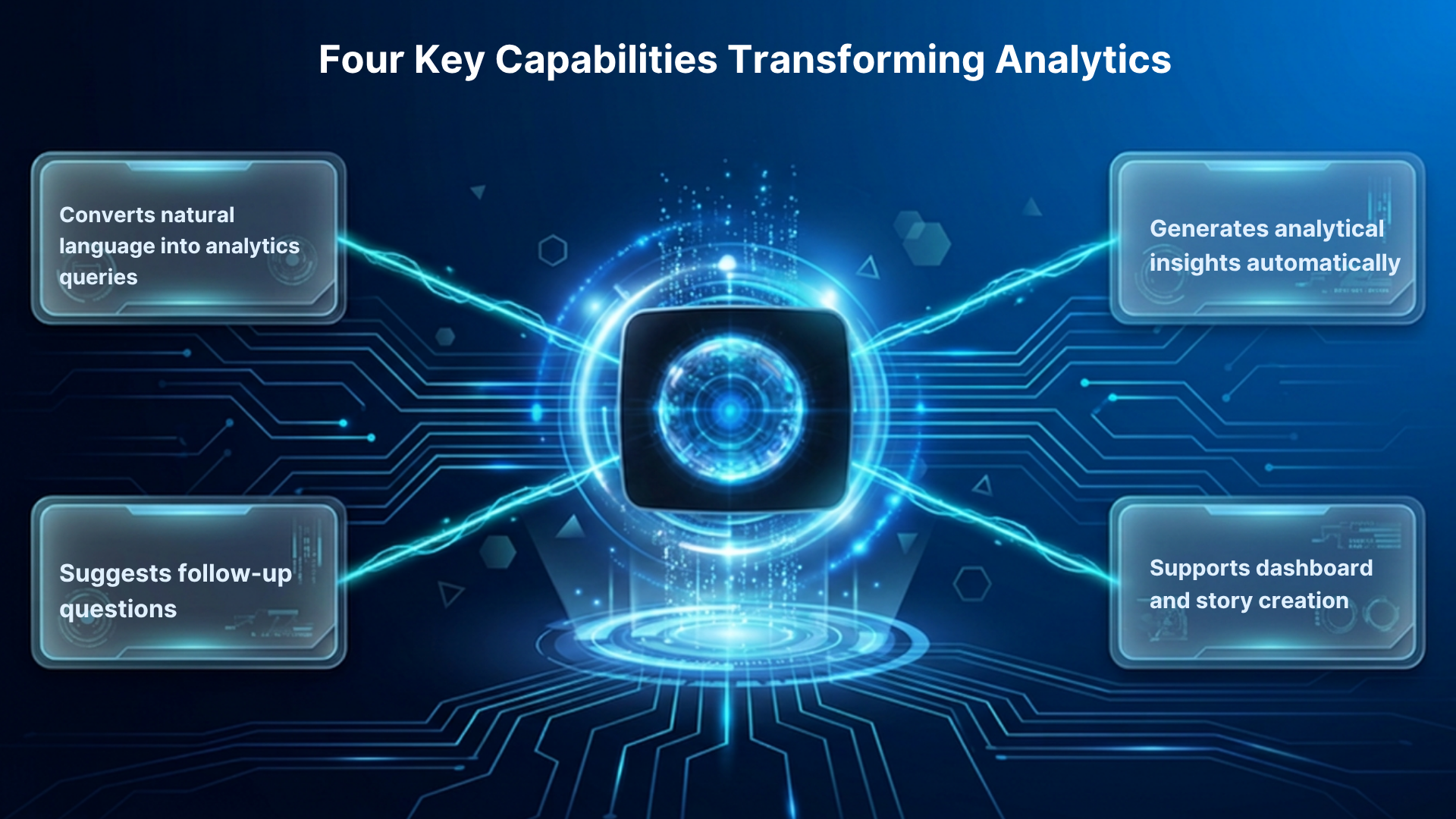
• Converts natural language into analytics queries: Users can ask questions like “Show Q2 revenue performance by region” without manually building filters or calculations. Joule interprets user intent and retrieves relevant data insights.
• Generates analytical insights automatically: Instead of manually exploring datasets, Joule can identify trends, patterns, anomalies, and key performance indicators from connected models.
• Suggests follow-up questions: SAP recently introduced conversational suggestions where Joule recommends additional questions after generating a chart, allowing users to investigate deeper insights faster.
• Supports dashboard and story creation: Joule increasingly assists with creating SAP Analytics Cloud stories and visualizations by converting business context into dashboards.
What Joule still cannot do in 2026:
• It cannot replace analysts or consultants: AI can provide insights, but business interpretation still needs human understanding. A revenue drop could indicate market conditions, operational issues, or strategic changes. Joule cannot reliably determine business intent alone.
• It cannot fix poor data quality: AI depends heavily on clean and structured information. If organizations have duplicate records, missing values, or weak governance practices, Joule cannot magically solve those problems.
• It cannot make autonomous business decisions: Joule may suggest actions and identify trends, but it does not own decision-making responsibility.
• It cannot fully understand every organization automatically: Each business has unique KPIs, processes, and reporting logic that often require configuration and context.
Joule in 2026 feels less like a replacement for analytics teams and more like a highly capable co-pilot sitting beside them. Think of it as GPS navigation rather than a self-driving car. It can suggest directions, highlight opportunities, and help users reach insights faster, but someone still needs to hold the steering wheel. Organizations that understand this balance are likely to get the most value from SAP Analytics Cloud AI capabilities.

 English