


 SPARK Website
Comprehensive Seasonal Weatherproofing for Properties in Heavy Storm Zones
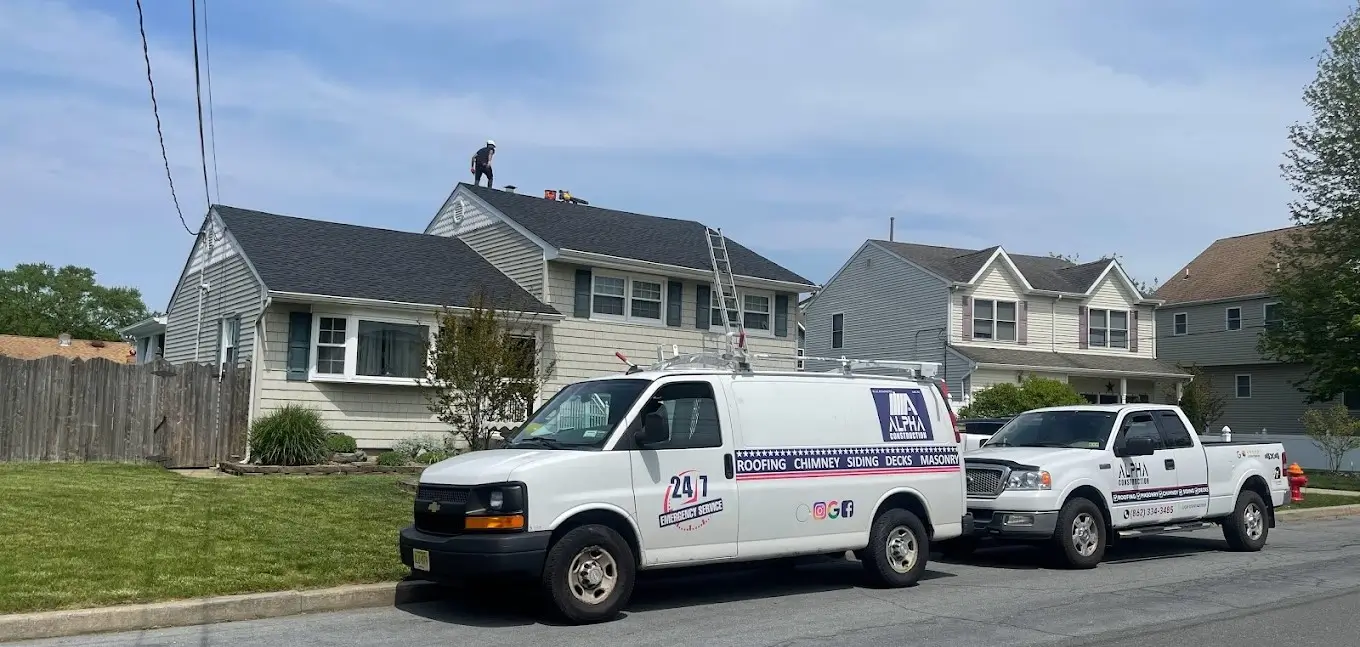
Buildings situated in areas facing extreme climate variations must be structurally engineered to handle severe weather events, ranging from freezing winter ice to intense summer downpours. During heavy storms, high-velocity winds can put immense pressure on structural support beams and force driving rain sideways into shingle seams. For homeowners looking to protect their structural assets, applying advanced weatherproofing principles is essential to keeping the home safe and dry.
Building a resilient exterior system requires combining heavy-duty materials with smart water drainage designs. Homeowners who consult with experienced roofing experts can upgrade their properties with specialized polymer-modified shingles and durable fastening patterns. Using an engineered roofing park ridge approach protects the home from costly seasonal damage and preserves its core structural integrity.
Combating Winter Ice Accumulations with Advanced Defenses
Self-Adhering Rubberized Eave Barriers
When snow melts on an uninsulated roof deck, the water runs down to the colder eaves and refreezes, creating thick ice dams that trap water on the roof. This standing pool can back up under standard shingles and leak into the home's interior walls. To stop this, teams install self-adhering rubberized bitumen membranes along the roof edges, forming a flexible, watertight seal that blocks water from reaching the wood deck.
Metal Valley Liners and Fast Snow Clearance
The valleys where different roof slopes meet gather massive amounts of melting ice and snow during winter storms. Forcing water out of these channels requires lining the paths with pre-bent, heavy-gauge metal flashing sheets before laying down the shingles. This smooth metal surface allows ice and snow to slide off quickly, preventing dangerous ice build-up in high-risk areas.
Material Upgrades for Maximum Impact Resistance
Class 4 Impact-Resistant Polymer Shingles
Property owners can protect their investments from winter hail and falling branches by upgrading to Class 4 impact-resistant shingles. These specialized shingles are modified with flexible rubber polymers that absorb high-impact forces without cracking or losing their protective surface granules. Adding these durable materials to your project layout ensures long-lasting defense against severe winter storms.
Ring-Shank Nailing schedules for Deck Stability
Before installing new shingles, crews must verify that the underlying wood deck is strong enough to support both the weight of the roofing materials and heavy weather loads. Rotted or sagging plywood panels must be cut out and replaced with strong, code-compliant sheathing. Securing these new wood panels with a tight ring-shank nail pattern boosts the building's overall strength and wind-uplift resistance.
Sealing Thermal Leaks to Prevent Interior Damage
Expanding Polyurethane Seals Around Penetrations
Warm air leaking from the living spaces into the attic can create localized hot spots on the roof deck, leading to uneven snow melt and interior condensation. Sealing the spaces around chimneys, exhaust fans, and plumbing pipes with durable fire-rated expanding foam locks heat inside the house. This extra insulation layer keeps the attic dry and stops mold from growing on the rafters.
Continuous Soffit and Ridge Vent Integration
Keeping an attic at a stable, uniform temperature during the winter is the best way to prevent ice dams from forming in the first place. This requires a balanced ventilation setup that pulls fresh air through the soffits and exhausts warm air out through continuous ridge vents. This natural airflow keeps the roof deck cold, preventing snow from melting prematurely.
Conclusion
Defending a home from severe storm environments requires a well-planned combination of rubberized ice barriers, reinforced wood sheathing, and impact-resistant polymer materials. Homeowners can avoid costly structural repairs by utilizing Class 4 shingles, lining high-volume valleys with metal flashing, and sealing attic hot spots. Investing in these pro-grade winter and summer defenses ensures your residential property stays warm, dry, and fully protected through the toughest seasonal cycles.

 English