


 SPARK Website
The Importance of Emotional Intelligence in Hospitality Excellence
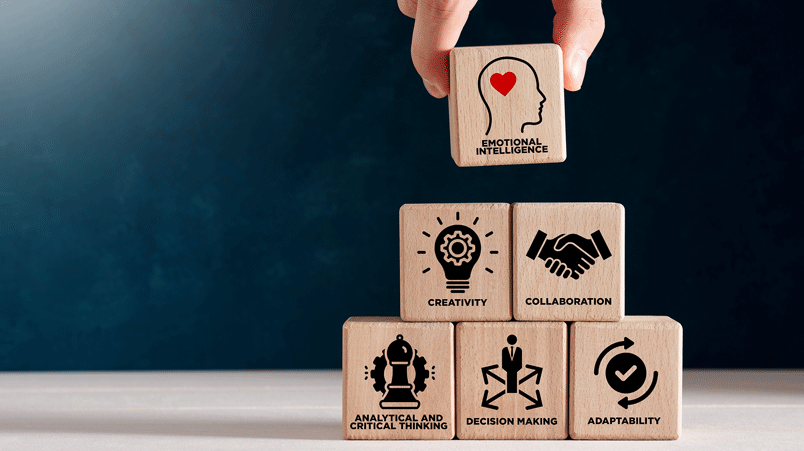
Next time you go into a well-run hotel or restaurant, take note of something before you can put your finger on it. Staff have an instinct for what guests require before being asked. That ability has a name: emotional intelligence. Now it has more or less become one of the largest drivers differentiating average service from true hospitality excellence.
What Emotional Intelligence Means in Hospitality
This is the ability to read emotions — your own and those of other people — and respond effectively to each. It appears as a server noticing when a guest is feeling stressed, and modulating their tone, or a front desk agent picking up on the anger before it even becomes a complaint in hotel lobby or busy restaurant floor.
The technical training trains the staff to perform the tasks. Emotional intelligence trains them on how to do it in a way that really connects with the patient.
Why It Matters More Than Ever
Consumers have more options and less patience than they ever did before. One negative interaction can become a public review in minutes. Left without emotional awareness, hospitality teams are 46% more likely to deliver a poor customer experience for a service that was otherwise technically correct.
Consider these common scenarios:
- Visitors coming in upset because of their flight being late. An employee with no emotional intelligence mechanically processes the check-in. The holder of it recognizes the guest's day and enters into a State (for lack of terminology).
- Complaint about room temperature is met with a cliché apology rather than earnest listening and the guest feels unseen.
- Imagine a server who is unaware of subtle cues that a couple wants an intimate, slower dinner rather than fast turnover.
Every single one of these moments is minor individually. Together, they inform whether a guest remembers the stay fondly or never returns.
The Business Case for Emotional Intelligence
Hospitality excellence is not just a service philosophy — it's an imperative that can be tracked to loyalty and revenue. Promotional content Guests who feel that someone has truly cared for them will be much more likely to leave a positive review, come back and recommend the property elsewhere.
Here are some tangible steps to incorporate emotional intelligence into your hospitality business teams:
- Basically, to say hire for empathy because technical skills can be learned at a much faster pace than emotional intelligence.
- Arm personnel to be able to understand and interpret nonverbal behavior — body language, tone, and pace tend to speak much louder than words.
- If the teams work together, debriefing with others after difficult interactions create a kind of pattern recognition over time.)
- Allow for discretion among frontline staff rather than making them stick to scripts that ignore the nuances of a situation.
- Reward at scale, acknowledgement of professional emotional competency — even and especially when working remotely.
Turning a Negative Customer Experience into Recovery
Every hospitality business will make some mistakes. How a company handles a negative experience in the moment is what separates the strong brands out there. A succinctly empathetic response — recognizing the guest's annoyance before offering a solution — goes much further in diffusing tension than an efficient yet generic fix.
Guests rarely expect perfection. They do expect to feel heard.
Conclusion
Emotional intelligence has crept up on the phenomenal edge behind hospitality greatness. It moulds how guests are welcomed, complaints dealt with and a negative customer experience recorded as either a lost guest or an incoming loyal repeat guest. Those properties and restaurants that decide to invest in this skill — by hiring, training and building it into their culture — create service that no amount of technical training can match.

 English