


 SPARK Website
A Practical Guide to Golf Cart Maintenance
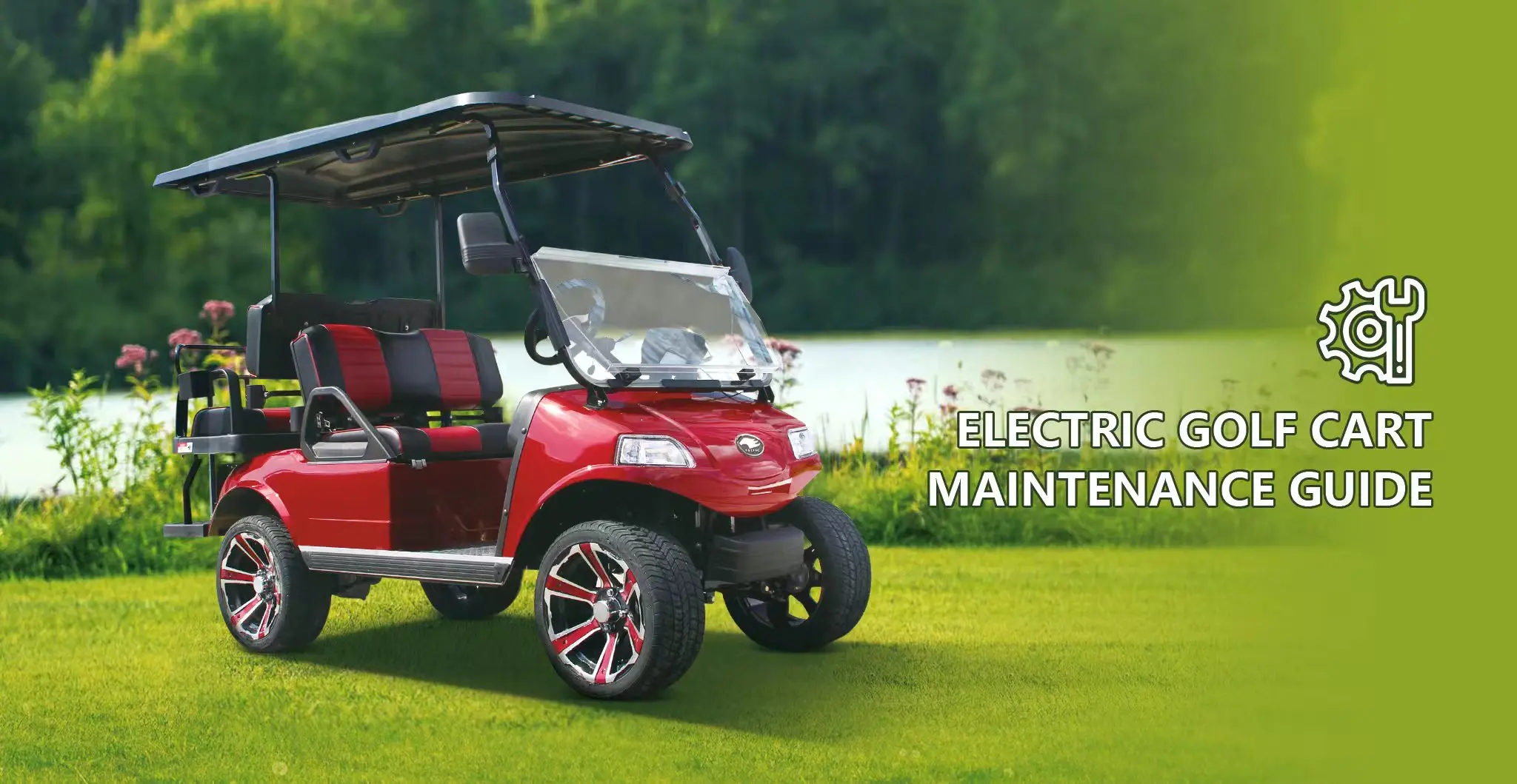
Golf carts have evolved from simple transportation vehicles on golf courses to versatile machines used in residential communities, resorts, campuses, industrial facilities, and recreational properties. Like any vehicle, a golf cart requires regular maintenance to ensure optimal performance, safety, and longevity. Proper upkeep not only helps prevent unexpected breakdowns but also protects your investment and reduces long-term repair costs.
Whether your cart uses traditional batteries or modern electric systems, maintenance should always be a priority. Owners who regularly inspect and service their carts enjoy better reliability, improved efficiency, and a more comfortable driving experience. Many golf carts today rely on a 36 volt battery for golf cart applications, making battery maintenance one of the most important aspects of ownership.
Why Regular Golf Cart Maintenance Matters
Routine maintenance keeps your golf cart operating efficiently while minimizing the risk of costly repairs. Small issues that go unnoticed can quickly become major mechanical or electrical problems.
Regular maintenance provides several benefits:
-
Improved safety
-
Longer vehicle lifespan
-
Better energy efficiency
-
Enhanced performance
-
Lower operating costs
-
Increased resale value
By following a consistent maintenance schedule, owners can maximize the reliability of their golf carts throughout the year.
Inspect the Battery System Regularly
The battery system serves as the heart of an electric golf cart. Without proper battery care, even the most advanced cart will experience reduced performance and shorter operating times.
Check Battery Connections
Loose or corroded terminals can restrict power flow and decrease efficiency. Inspect battery connections regularly and tighten any loose cables. Clean corrosion using appropriate cleaning solutions and protective equipment.
Monitor Charge Levels
Avoid allowing batteries to remain fully discharged for extended periods. Consistent charging habits help maintain battery health and prevent premature wear.
Inspect for Damage
Look for cracks, leaks, swelling, or damaged cables. Any signs of physical deterioration should be addressed immediately to prevent safety hazards and performance issues.
Keep Tires in Good Condition
Tires play a crucial role in ride quality, efficiency, and safety. Underinflated or worn tires can negatively affect handling and increase energy consumption.
Check Tire Pressure
Use a tire pressure gauge to verify proper inflation according to manufacturer recommendations. Correct tire pressure improves traction and extends tire life.
Examine Tread Wear
Inspect tire tread regularly for uneven wear patterns or excessive damage. Replacing worn tires improves stability and overall driving performance.
Rotate Tires When Necessary
Rotating tires periodically promotes even wear and helps maximize tire lifespan.
Maintain the Braking System
Reliable brakes are essential for safe operation. Golf cart brakes should be inspected routinely to ensure they function correctly.
Inspect Brake Pads
Check brake pads for wear and replace them when necessary. Worn brake pads can reduce stopping power and create safety concerns.
Test Brake Performance
Regularly test braking response in a safe area. If you notice unusual noises, vibrations, or delayed stopping, schedule a professional inspection.
Examine Brake Cables
Brake cables should remain free from excessive wear, corrosion, or stretching. Damaged cables may compromise braking effectiveness.
Lubricate Moving Components
Proper lubrication reduces friction and helps mechanical components operate smoothly.
Key areas that often require lubrication include:
-
Steering components
-
Suspension parts
-
Wheel bearings
-
Brake linkages
Always use manufacturer-recommended lubricants and follow service guidelines for optimal results.
Inspect Electrical Components
Modern golf carts contain numerous electrical systems that require periodic inspection.
Check Wiring
Look for frayed wires, loose connections, or signs of damage. Electrical issues can lead to poor performance or complete system failure.
Test Lights and Accessories
Verify that headlights, brake lights, turn signals, and other accessories operate correctly. Functional lighting enhances safety during low-visibility conditions.
Monitor Controllers and Solenoids
Controllers and solenoids regulate power delivery throughout the vehicle. If acceleration becomes inconsistent, these components may require inspection or replacement.
Keep the Cart Clean
A clean golf cart not only looks better but also performs better over time.
Wash Exterior Surfaces
Remove dirt, dust, and debris regularly using mild soap and water. Avoid high-pressure washing around sensitive electrical components.
Clean Underneath the Cart
Mud, grass, and debris can accumulate underneath the vehicle and affect moving parts. Periodic cleaning helps prevent corrosion and mechanical issues.
Protect the Finish
Applying protective wax or coatings can help preserve paint quality and shield surfaces from environmental damage.
Maintain Suspension and Steering Systems
Comfortable handling depends on healthy suspension and steering components.
Inspect Shock Absorbers
Worn shocks can create a rough ride and reduce vehicle stability. Replace damaged components as needed.
Check Steering Alignment
Misaligned steering can cause uneven tire wear and poor handling. Professional alignment services may be required if steering issues develop.
Examine Bushings and Joints
Inspect suspension bushings and steering joints for excessive wear or looseness.
Seasonal Maintenance Tips
Weather conditions can significantly impact golf cart performance.
Summer Care
During hot weather, batteries may experience increased stress. Ensure proper ventilation and avoid prolonged exposure to direct sunlight whenever possible.
Winter Storage
If storing the golf cart during colder months:
-
Fully charge batteries before storage
-
Clean the vehicle thoroughly
-
Store in a dry location
-
Periodically check battery charge levels
Proper seasonal preparation helps prevent deterioration during periods of inactivity.
Create a Maintenance Schedule
One of the best ways to protect your golf cart is by establishing a routine maintenance schedule.
Monthly tasks may include:
-
Battery inspections
-
Tire pressure checks
-
Cleaning
-
Brake testing
Quarterly tasks may include:
-
Lubrication
-
Electrical inspections
-
Suspension evaluations
Annual inspections by qualified technicians can identify hidden problems before they become costly repairs.
Upgrading for Better Performance
As golf cart technology advances, many owners choose to upgrade components to improve performance and efficiency. Modern battery systems, advanced controllers, and energy-efficient accessories can significantly enhance the driving experience.
For those seeking longer range, faster charging, and reduced maintenance requirements, upgrading to a 48v lithium battery kit for golf cart can provide substantial benefits while improving overall vehicle reliability.
Conclusion
Golf cart maintenance is essential for preserving performance, safety, and longevity. By inspecting batteries, maintaining tires, servicing brakes, cleaning regularly, and monitoring electrical systems, owners can keep their vehicles operating at peak efficiency year-round.
A proactive maintenance approach not only reduces repair expenses but also improves reliability and driving enjoyment. Whether your golf cart is used for recreation, transportation, or work purposes, consistent care ensures it remains dependable for years to come. With proper attention and regular servicing, your golf cart can continue delivering outstanding performance while protecting the value of your investment.

 عربي
عربي