


 SPARK Website
How to Register Private Ltd Company in India for Startups and Entrepreneurs
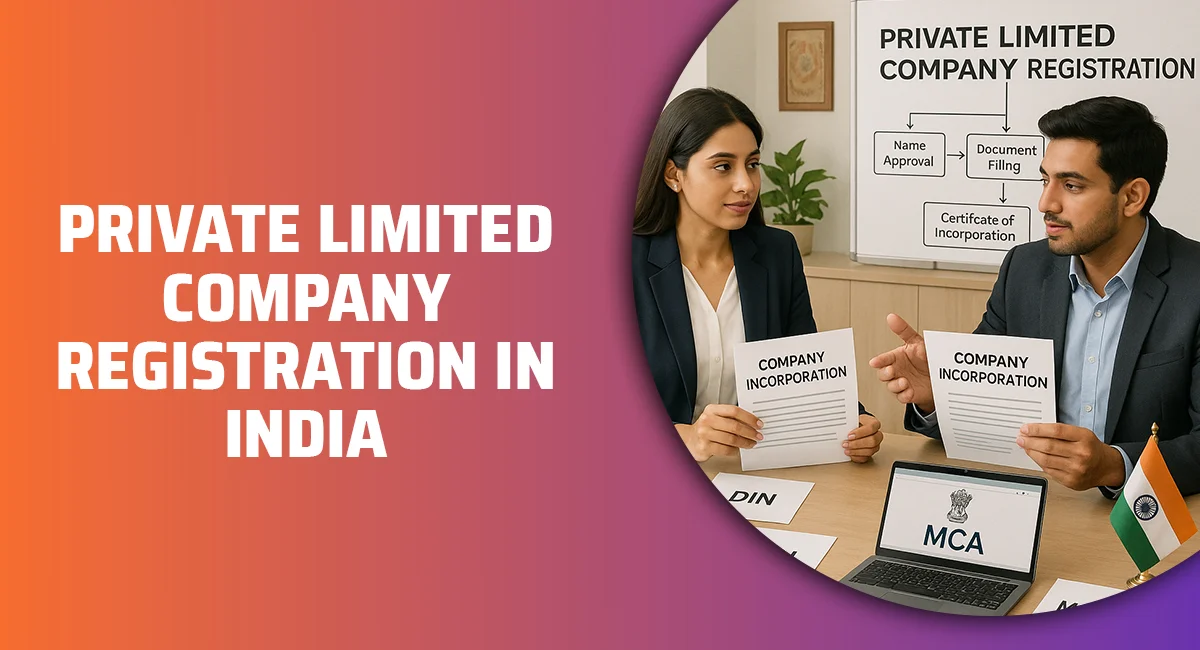
Starting a business is an exciting journey, and choosing the right business structure is one of the most important decisions for entrepreneurs. A Private Limited Company is one of the most preferred business structures in India because it offers limited liability protection, legal recognition, and better opportunities for fundraising. Understanding How to register Private ltd Company in India can help startups establish a strong legal foundation and gain credibility among customers, investors, and financial institutions.
What is a Private Limited Company?
A Private Limited Company is a privately held business entity registered under the Companies Act, 2013. It has a separate legal identity from its owners, which means the company can own assets, enter contracts, and incur liabilities in its own name.
Some key features include:
- Separate legal entity
- Limited liability protection
- Perpetual succession
- Easy transfer of ownership
- Better funding opportunities
- Increased business credibility
For startups looking to scale their operations, a Private Limited Company often becomes the preferred choice.
Benefits of Registering a Private Limited Company
Before learning How to register Private ltd Company in India, it is important to understand the advantages.
1. Limited Liability Protection
The liability of shareholders is limited to the amount invested in the company. Personal assets remain protected from business debts and obligations.
2. Better Access to Funding
Investors, venture capitalists, and angel investors generally prefer investing in Private Limited Companies because of their transparent legal structure.
3. Separate Legal Identity
The company exists independently of its directors and shareholders, making business operations more organized and secure.
4. Improved Brand Image
A registered company enhances trust among customers, suppliers, and business partners.
5. Business Continuity
The company continues to exist even if directors or shareholders change over time.
Eligibility Requirements for Registration
To proceed with How to register Private ltd Company in India, the following basic requirements must be met:
Directors
- Minimum 2 directors
- At least one director must be an Indian resident
Shareholders
- Minimum 2 shareholders
- Maximum 200 shareholders
Registered Office
A valid business address in India is required for official communication.
Capital Requirement
There is no minimum paid-up capital requirement under current regulations.
Documents Required for Registration
Proper documentation helps ensure a smooth registration process.
For Directors and Shareholders
- PAN Card
- Aadhaar Card
- Passport-sized photograph
- Mobile number
- Email ID
- Address proof such as bank statement, utility bill, or voter ID
For Registered Office
- Utility bill
- Rent agreement (if rented)
- No Objection Certificate (NOC) from the property owner
Having these documents ready can significantly speed up the registration process.
Step-by-Step Registration Process
Entrepreneurs often ask about How to register Private ltd Company in India. The registration process can be completed online through the Ministry of Corporate Affairs (MCA).
Step 1: Obtain Digital Signature Certificate (DSC)
A Digital Signature Certificate is required for signing electronic forms submitted to the MCA portal.
Step 2: Apply for Director Identification Number (DIN)
Every director must obtain a DIN, which serves as a unique identification number.
Step 3: Reserve the Company Name
The proposed company name must be unique and comply with MCA naming guidelines. Entrepreneurs should choose a name that reflects their brand identity and business objectives.
Step 4: Prepare Incorporation Documents
The Memorandum of Association (MOA) and Articles of Association (AOA) are drafted to define the company's objectives and operational rules.
Step 5: File SPICe+ Form
The SPICe+ form is the integrated company incorporation form available on the MCA portal. It includes:
- Company registration
- DIN allotment
- PAN application
- TAN application
- GST registration (optional)
- EPFO registration
- ESIC registration
Step 6: Verification by Registrar of Companies
The Registrar of Companies reviews the submitted documents and application details.
Step 7: Receive Certificate of Incorporation
Once approved, the company receives a Certificate of Incorporation containing the Corporate Identification Number (CIN). This officially confirms that the company has been registered.
Important Compliance Requirements After Registration
Understanding How to register Private ltd Company in India is only the beginning. Companies must also comply with ongoing legal obligations.
Annual Compliance
- Annual Return Filing
- Financial Statement Filing
- Income Tax Return Filing
- Maintenance of statutory registers
Board Meetings
The company must conduct board meetings as required under the Companies Act.
Accounting and Bookkeeping
Accurate financial records must be maintained to ensure compliance and facilitate business growth.
Common Mistakes to Avoid
Choosing an Incorrect Company Name
Names that are similar to existing companies may be rejected during the approval process.
Submitting Incomplete Documents
Missing documents can delay registration and lead to additional clarification requests.
Ignoring Compliance Obligations
Many startups focus only on incorporation and overlook post-registration compliance requirements.
Using Incorrect Business Activities
The company's objectives should accurately reflect the intended business activities.
Why Startups Prefer Private Limited Companies
Startups often seek rapid growth and external funding. This is why understanding How to register Private ltd Company in India becomes essential for entrepreneurs. The structure provides legal protection, facilitates investment opportunities, and creates a professional image that supports long-term business expansion.
Whether the startup operates in technology, e-commerce, consulting, manufacturing, or services, a Private Limited Company offers flexibility and scalability. It also helps founders separate personal finances from business finances, creating a more sustainable framework for growth.
Conclusion
Registering a Private Limited Company is one of the most effective ways for startups and entrepreneurs to establish a legally recognized business in India. The process involves obtaining a Digital Signature Certificate, securing a Director Identification Number, reserving a company name, filing incorporation documents, and receiving the Certificate of Incorporation. By understanding How to register Private ltd Company in India, entrepreneurs can confidently build a strong business foundation, attract investors, improve credibility, and ensure long-term growth. Proper planning, accurate documentation, and ongoing compliance are the keys to successfully operating a Private Limited Company in India.

 عربي
عربي