


 SPARK Website
Scan to BIM Thurnscoe: Improving Building Design and Construction Accuracy
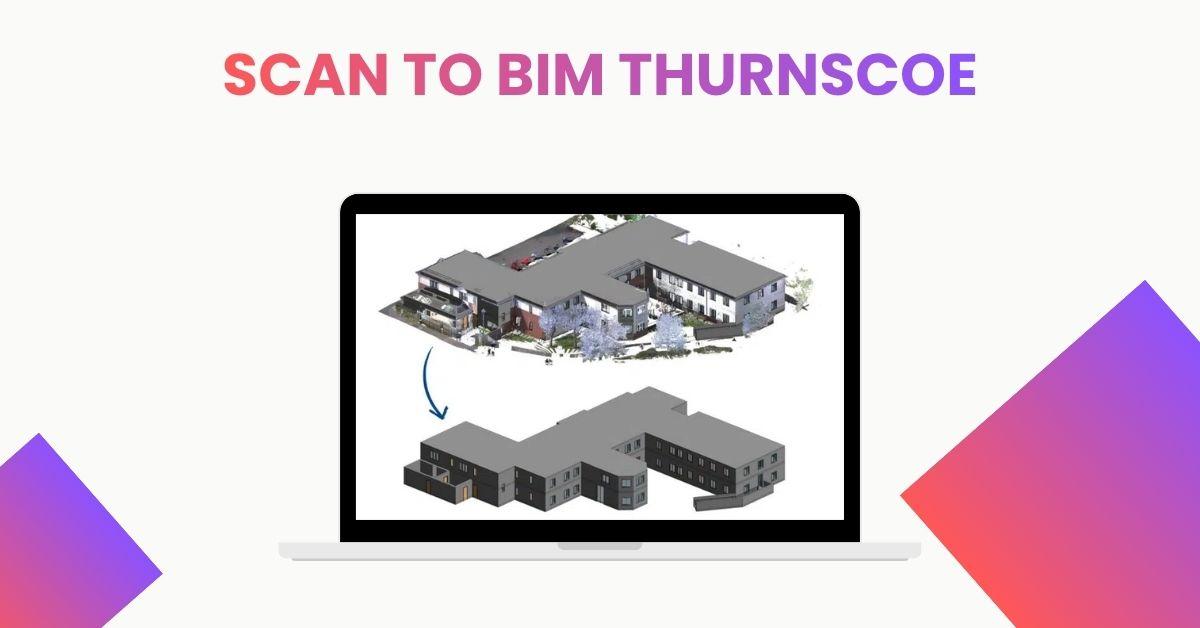
The construction industry is rapidly adopting digital technologies to improve project efficiency and accuracy. One of the most valuable technologies in modern construction is Scan to BIM Thurnscoe. This process combines advanced laser scanning with Building Information Modeling (BIM) to create highly accurate digital representations of existing structures. Whether for renovation, restoration, facility management, or new construction planning, Scan to BIM Thurnscoe provides reliable data that helps reduce errors and improve project outcomes.
What Is Scan to BIM?
Scan to BIM is the process of capturing a building’s physical dimensions and conditions using laser scanning technology. The collected point cloud data is then converted into a detailed BIM model. These models contain valuable information about architectural, structural, and MEP (Mechanical, Electrical, and Plumbing) components.
The resulting BIM model serves as a digital twin of the building, allowing architects, engineers, contractors, and facility managers to access accurate building information throughout the project lifecycle.
Why Choose Scan to BIM Thurnscoe?
Buildings often undergo changes over time, making original drawings outdated or inaccurate. Traditional measurement methods can be time-consuming and prone to human error. Scan to BIM Thurnscoe offers a faster and more reliable alternative.
Some key benefits include:
- Highly accurate building measurements
- Reduced site visits and manual surveys
- Better project planning and coordination
- Improved clash detection
- Faster design and renovation workflows
- Enhanced facility management capabilities
By working with precise building data, project teams can make informed decisions and avoid costly mistakes.
Applications of Scan to BIM Thurnscoe
Renovation and Refurbishment Projects
Accurate building information is essential when renovating existing structures. Scan to BIM Thurnscoe helps architects and engineers understand the current building condition before creating renovation plans. This reduces design conflicts and minimizes unexpected issues during construction.
Historic Building Preservation
Many heritage structures require careful documentation before restoration work begins. Laser scanning captures every detail of a building, making it easier to preserve historical elements while planning upgrades or repairs.
Facility Management
Building owners and facility managers can use BIM models to monitor assets, schedule maintenance, and manage building operations more effectively. A comprehensive BIM model provides easy access to important building information in a single digital environment.
Structural and MEP Coordination
Accurate BIM models help coordinate structural and MEP systems within a building. This improves collaboration between project stakeholders and reduces clashes during construction.
The Scan to BIM Process
The Scan to BIM workflow typically involves several important stages:
1. Site Scanning
Specialized laser scanners capture millions of data points from the building. These points create a detailed point cloud representing the structure's exact geometry.
2. Data Processing
The collected point cloud data is processed and cleaned to remove unnecessary information and improve accuracy.
3. BIM Model Creation
Experienced BIM professionals convert the processed point cloud into an intelligent 3D model. The model includes walls, floors, roofs, columns, doors, windows, and building services.
4. Quality Assurance
The BIM model is checked against the original scan data to ensure it meets the required level of accuracy and project specifications.
Future of Scan to BIM Thurnscoe
As digital construction practices continue to grow, Scan to BIM Thurnscoe is becoming an essential service for construction and building management projects. The ability to create accurate digital building models supports better decision-making, improved collaboration, and greater project efficiency.
With increasing demand for smart building solutions and digital twins, Scan to BIM technology will play a vital role in shaping the future of the built environment. Organizations that adopt these advanced workflows can benefit from reduced project risks, improved accuracy, and long-term cost savings.
Conclusion
Scan to BIM Thurnscoe provides an efficient and accurate way to capture existing building conditions and transform them into intelligent BIM models. From renovation and restoration projects to facility management and construction planning, this technology offers significant advantages for professionals across the construction industry. By utilizing accurate digital data, project teams can improve collaboration, reduce errors, and achieve better project outcomes.

 English