


 SPARK Website
Why DTF Printing Is Ideal for Low-Volume Clothing Orders
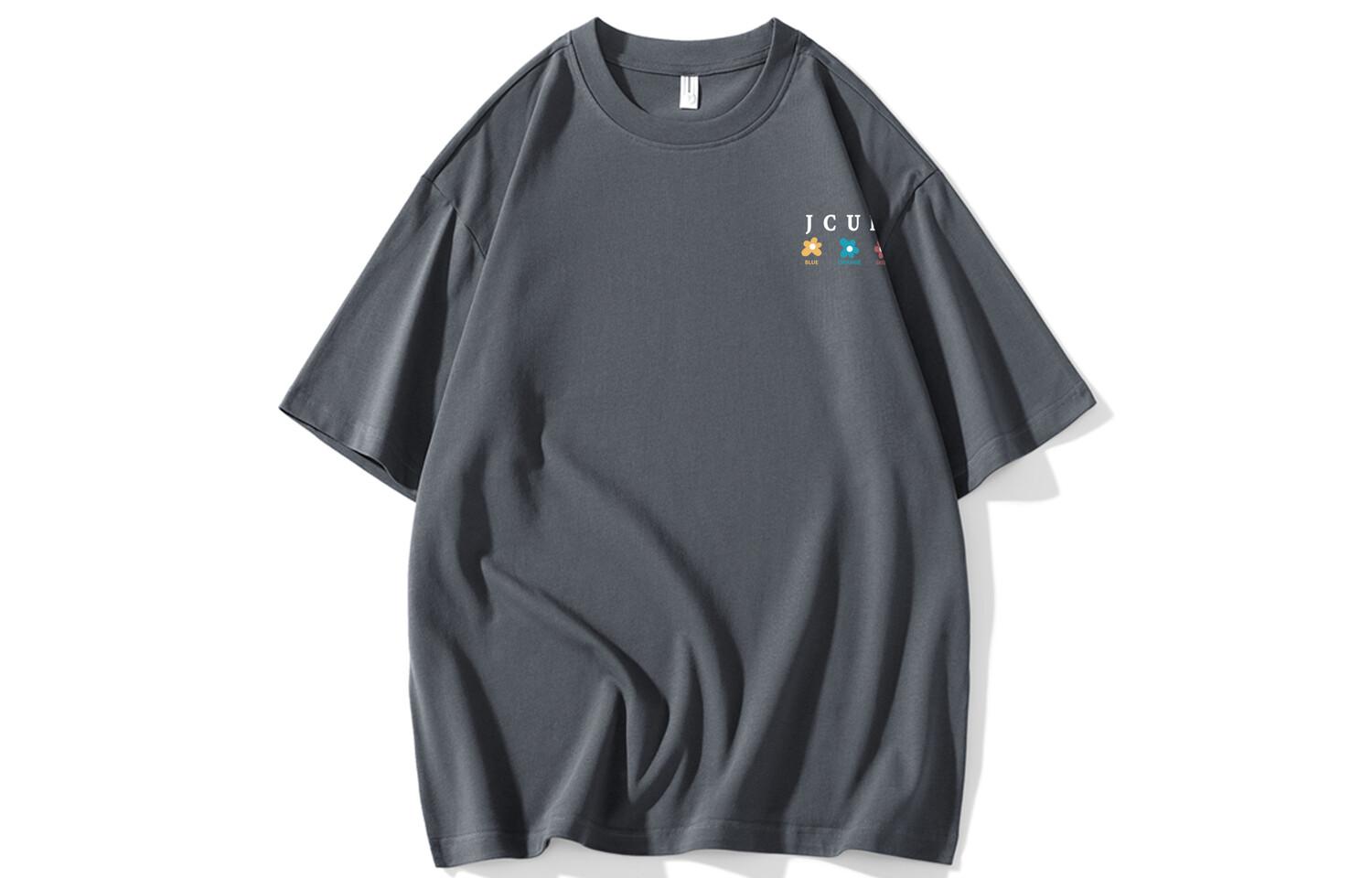
The apparel industry has become increasingly competitive, with businesses constantly searching for efficient and affordable ways to produce high-quality garments. While large-scale manufacturing remains important for established brands, many startups, small businesses, and independent designers operate on a smaller scale. For these businesses, low-volume clothing orders are often the most practical option. However, traditional printing methods can make small production runs expensive and inefficient.
Direct-to-Film (DTF) printing has emerged as a revolutionary solution for businesses that need flexibility, affordability, and excellent print quality. Unlike conventional methods that often require large minimum orders, DTF printing allows companies to produce small batches without sacrificing quality or profitability. This makes it one of the most attractive printing technologies for modern apparel businesses.
The Growing Demand for Small-Batch Apparel Production
Consumer preferences have changed significantly in recent years. Customers increasingly seek personalized clothing, limited-edition collections, and unique fashion designs. This shift has encouraged businesses to move away from mass production and adopt more flexible manufacturing models.
Seasonal trends also contribute to the demand for smaller production runs. For example, businesses may introduce special collections featuring themes such as a 4th of july dtf transfer design to target holiday shoppers without committing to large inventories. This approach helps brands remain agile and responsive to market trends while reducing financial risk.
Challenges of Traditional Printing Methods
Traditional printing techniques, such as screen printing, often require extensive setup processes. Screens must be created for each design, increasing both time and costs. While this method can be economical for large orders, it becomes less practical for small batches.
For low-volume orders, businesses may face several challenges:
-
High setup expenses
-
Minimum order requirements
-
Longer production times
-
Limited flexibility for design changes
-
Increased inventory risks
These limitations can make it difficult for startups and small apparel brands to operate efficiently.
How DTF Printing Solves These Problems
DTF printing eliminates many of the obstacles associated with traditional methods. Instead of requiring screens or complex preparation, designs are printed directly onto a special film and then transferred onto garments.
This process provides several advantages:
Lower Setup Costs
Because DTF printing does not require screen preparation, businesses can save significant amounts on setup expenses. This makes small production runs far more affordable.
No Minimum Order Requirements
One of the most significant benefits of DTF printing is the ability to print single items or small batches. Businesses can fulfill customer orders without worrying about minimum quantity restrictions.
Quick Design Adjustments
Fashion trends change rapidly, and businesses often need to update designs frequently. DTF technology allows easy modifications without additional setup costs, making it ideal for dynamic apparel markets.
Exceptional Print Quality
High-quality products are essential for building customer trust and loyalty. DTF printing produces vibrant colors, sharp details, and durable designs that maintain their appearance over time.
The technology supports intricate artwork, gradients, and complex graphics that may be difficult to achieve with other methods. As a result, businesses can offer premium-looking garments even when producing small quantities.
Furthermore, DTF prints adhere well to different fabric types, including:
-
Cotton
-
Polyester
-
Blended fabrics
-
Performance wear
-
Hoodies and sweatshirts
This versatility enables businesses to expand their product offerings without investing in multiple printing systems.
Inventory Management Benefits
Inventory management is one of the biggest challenges for apparel businesses. Producing too many garments can lead to unsold stock, while producing too few can result in missed sales opportunities.
DTF printing supports an on-demand production model, allowing businesses to print only what they need. This approach provides several advantages:
-
Reduced storage requirements
-
Lower inventory costs
-
Minimal waste
-
Better cash flow management
-
Greater flexibility for testing new designs
By reducing inventory risks, businesses can focus more resources on marketing, product development, and customer acquisition.
Ideal for Startups and Small Businesses
New fashion brands often operate with limited budgets and uncertain demand. Investing heavily in large production runs can be risky, especially when launching new products.
DTF printing offers a practical solution by enabling entrepreneurs to start small and scale gradually. Businesses can test market demand, gather customer feedback, and refine their products before increasing production volumes.
This flexibility makes DTF printing particularly attractive for:
-
Startup clothing brands
-
Online apparel stores
-
Independent designers
-
Promotional merchandise businesses
-
Event-based apparel companies
Faster Turnaround Times
Speed plays a critical role in customer satisfaction. Modern consumers expect fast order fulfillment, especially when purchasing online.
DTF printing reduces production times by eliminating many of the preparation steps required by traditional methods. Businesses can process orders quickly and efficiently, helping them meet customer expectations and improve overall service quality.
Fast turnaround times also enable companies to respond rapidly to seasonal trends, special events, and emerging market opportunities.
Sustainability Advantages
Sustainability has become an important consideration for both businesses and consumers. Many customers prefer brands that minimize waste and adopt environmentally conscious practices.
DTF printing supports sustainable production by reducing excess inventory and enabling on-demand manufacturing. Since businesses only print what they need, there is less waste compared to traditional mass-production methods.
This environmentally friendly approach not only benefits the planet but can also strengthen a brand’s reputation among eco-conscious consumers.
Enhancing Efficiency Through Modern Production Techniques
As businesses grow, maximizing production efficiency becomes increasingly important. Advanced methods such as custom printing allow apparel companies to create personalized products while maintaining operational flexibility. By producing only the required quantities, businesses can optimize resources, reduce waste, and improve profitability without compromising product quality.
Conclusion
DTF printing has transformed the apparel industry by providing an efficient and cost-effective solution for low-volume clothing orders. Its ability to eliminate high setup costs, support small production runs, deliver exceptional print quality, and reduce inventory risks makes it an ideal choice for modern apparel businesses.
Whether used by startups, independent designers, or established brands testing new products, DTF technology offers the flexibility needed to succeed in a rapidly changing market. As consumer demand for personalized and limited-edition apparel continues to grow, DTF printing will remain one of the most valuable tools for businesses seeking affordable and scalable production solutions.

 عربي
عربي