


 SPARK Website
How to Scale a Custom Apparel Business Without Inventory Risk
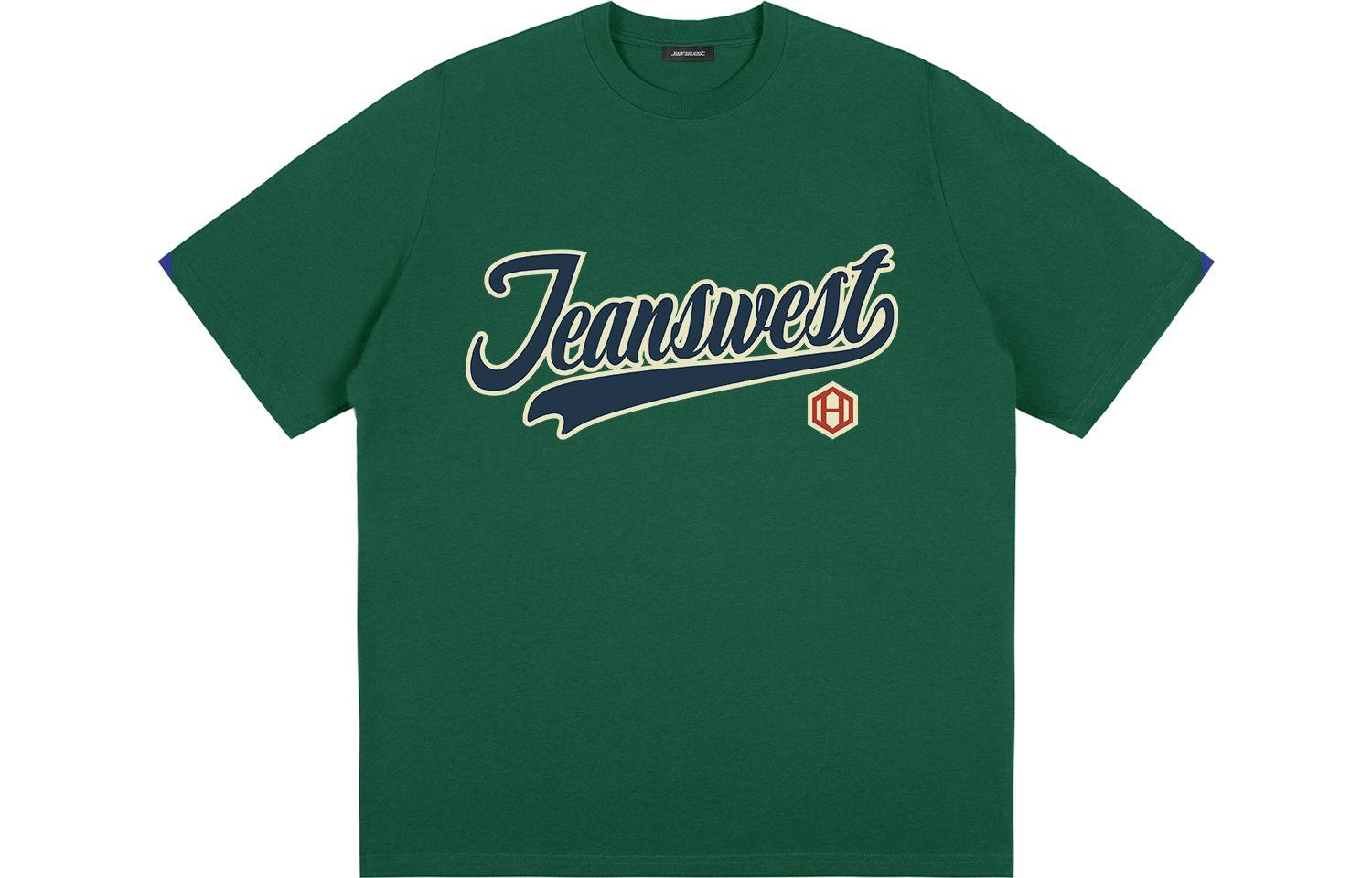
Scaling a custom apparel business is one of the biggest goals for entrepreneurs in the fashion and printing industry. While growth brings exciting opportunities, it also introduces challenges such as inventory management, storage costs, cash flow issues, and unsold stock. Many apparel businesses struggle when they invest heavily in inventory before fully understanding market demand.
Fortunately, modern production methods and digital business models have made it possible to grow a custom apparel brand without taking on significant inventory risk. By adopting flexible production strategies, leveraging technology, and focusing on customer demand, businesses can expand efficiently while protecting profitability.
One example of a trend-driven product that businesses can test without maintaining large stock levels is the 4th of july dtf transfer. Seasonal products like these can be introduced quickly and produced only when orders are received, reducing the financial risk associated with overproduction.
Understanding Inventory Risk in Apparel Businesses
Inventory risk occurs when a business purchases or produces products that fail to sell within an expected timeframe. In the apparel industry, this risk is especially high because fashion trends change rapidly, customer preferences evolve, and seasonal demand can be unpredictable.
Unsold inventory ties up capital, occupies valuable storage space, and often requires discounts that reduce profit margins. For growing apparel businesses, excessive inventory can become a major obstacle to long-term success.
Therefore, reducing inventory risk should be a primary objective for any company seeking sustainable growth.
Embracing On-Demand Production
One of the most effective ways to scale without inventory risk is through on-demand production. Instead of manufacturing products in large quantities before receiving orders, businesses produce items only after customers make a purchase.
This model offers several benefits:
-
Reduced storage requirements
-
Lower upfront investment
-
Better cash flow management
-
Less waste from unsold products
-
Greater flexibility in design offerings
By producing only what is needed, apparel brands can focus on customer demand rather than guessing which products will sell.
Leveraging Data-Driven Decision Making
Successful scaling requires accurate decision-making. Modern apparel businesses can use data analytics to understand customer behavior, purchasing patterns, and emerging trends.
Key metrics to monitor include:
-
Best-selling products
-
Customer demographics
-
Seasonal buying trends
-
Conversion rates
-
Product return rates
By analyzing this information, businesses can make informed decisions about which designs to promote and which products to expand.
Data-driven strategies reduce uncertainty and help allocate resources more effectively.
Expanding Product Lines Strategically
Many apparel entrepreneurs make the mistake of launching too many products too quickly. While diversification can increase revenue opportunities, it can also create unnecessary complexity.
A better approach is to expand gradually based on proven demand. Businesses should introduce new categories one at a time and monitor customer response before committing additional resources.
This strategy allows companies to grow their product range without accumulating excess inventory.
Building Strong Supplier Relationships
Reliable suppliers play a crucial role in inventory-free growth. Strong partnerships help ensure consistent product quality, faster turnaround times, and dependable production schedules.
When suppliers can fulfill orders efficiently, businesses can operate with minimal stock levels while maintaining customer satisfaction.
Long-term supplier relationships also improve communication and create opportunities for better pricing as order volume increases.
Using Automation to Improve Efficiency
Automation has transformed the apparel industry by reducing manual tasks and improving operational efficiency. Modern software can automate:
-
Order processing
-
Customer notifications
-
Inventory tracking
-
Shipping management
-
Marketing campaigns
These tools allow businesses to handle larger order volumes without significantly increasing labor costs.
Automation also reduces errors, which contributes to a better customer experience and stronger brand reputation.
Focusing on High-Margin Products
Not all products contribute equally to business growth. Some items generate higher profits while requiring less operational effort.
Scaling successfully often involves identifying products with:
-
Strong customer demand
-
Healthy profit margins
-
Consistent sales performance
-
Low production complexity
Prioritizing these products helps businesses maximize profitability while minimizing risk.
Rather than trying to sell everything, successful apparel brands focus on what works best.
Strengthening Online Marketing Efforts
Marketing is essential for scaling any apparel business. A strong online presence allows brands to reach new customers without opening physical stores or carrying additional inventory.
Effective digital marketing strategies include:
-
Search engine optimization (SEO)
-
Content marketing
-
Social media campaigns
-
Email marketing
-
Influencer collaborations
These channels generate traffic, increase brand awareness, and drive sales while supporting a lean operational model.
As customer demand grows, production can scale accordingly without requiring large inventory investments.
Enhancing Customer Loyalty
Acquiring new customers is important, but retaining existing customers is often more profitable. Loyal customers tend to purchase repeatedly and recommend brands to others.
Businesses can improve customer retention by:
-
Providing exceptional service
-
Offering personalized experiences
-
Maintaining product quality
-
Delivering orders on time
-
Creating loyalty programs
A strong customer base provides predictable revenue and reduces reliance on expensive advertising campaigns.
Exploring New Revenue Opportunities
As a custom apparel business expands, additional product categories can create new revenue streams. Many companies successfully extend their offerings beyond clothing into promotional products, accessories, and customized merchandise.
Products such as UV DTF Stickers have become increasingly popular because they allow businesses to serve a broader customer base while maintaining a flexible production model. Diversifying strategically can strengthen overall business stability and support long-term growth.
Conclusion
Scaling a custom apparel business without inventory risk is entirely achievable with the right strategy. By adopting on-demand production, leveraging automation, analyzing customer data, and focusing on proven products, businesses can expand efficiently while protecting cash flow and profitability.
Modern technology has made it easier than ever for apparel entrepreneurs to grow sustainably without the burden of excess inventory. Companies that prioritize flexibility, efficiency, and customer satisfaction will be best positioned for long-term success in an increasingly competitive market.

 عربي
عربي