


 SPARK Website
Nexgard for Dogs: Understanding Flea and Tick Prevention in Canine Health
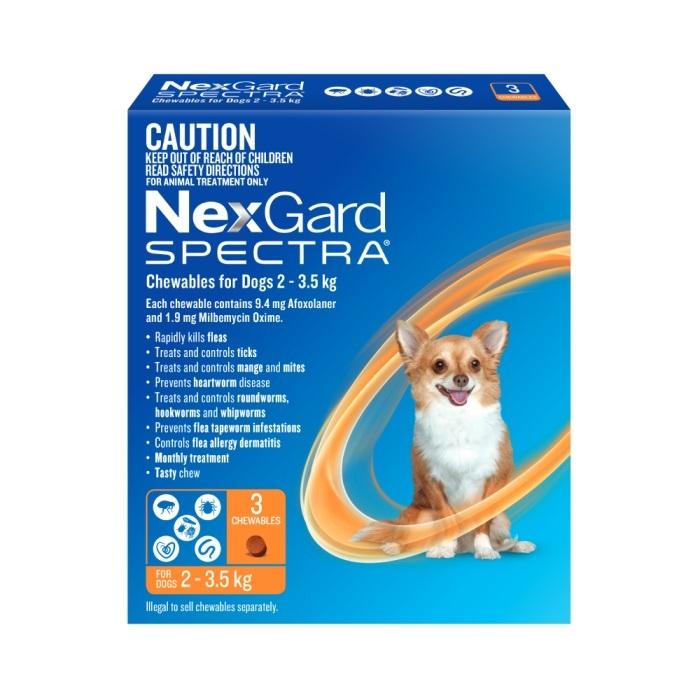
Parasite prevention is an important part of maintaining a dog's health and well-being. Across the United States, veterinarians frequently discuss Nexgard for dogs as part of conversations about flea and tick management. Because external parasites are common in many environments, dog owners often seek information about preventive care options and the role they play in supporting long-term canine wellness.
Fleas and ticks are more than simple nuisances. These parasites can affect a dog's comfort, contribute to skin problems, and increase exposure to certain diseases. Understanding the purpose of preventive treatments and the risks associated with parasite infestations can help owners make informed healthcare decisions for their pets.
Why Flea and Tick Prevention Is Important
Dogs encounter a variety of environmental hazards during their daily activities. Whether they spend time in parks, backyards, hiking trails, or neighborhoods, exposure to fleas and ticks remains a possibility.
Fleas are small insects that feed on blood and reproduce rapidly. Once established, they can spread throughout a dog's living environment and become difficult to eliminate. Ticks, on the other hand, attach to a dog's skin and feed on blood for extended periods. Some tick species may also carry organisms associated with canine diseases.
Preventive care is often recommended because managing infestations after they occur can be more challenging than reducing the risk beforehand.
What Is Nexgard for Dogs?
Nexgard for dogs is commonly discussed as a flea and tick prevention treatment intended to help protect dogs from external parasites. It is generally included within broader veterinary healthcare plans focused on parasite control.
The treatment works by targeting fleas and ticks after they come into contact with the treated dog. Once exposed, the parasites are affected in a way that leads to their elimination. This process helps reduce active infestations and supports ongoing parasite management efforts.
Veterinary recommendations regarding parasite prevention often vary depending on a dog's age, health condition, lifestyle, and geographic location.
Understanding Flea Infestations in Dogs
Fleas are among the most common external parasites affecting dogs throughout the United States. Although they are tiny, they can cause significant health and comfort issues.
Excessive Scratching
One of the first signs of flea activity is persistent scratching. Dogs often respond to flea bites by chewing, licking, or scratching affected areas repeatedly.
This behavior can lead to skin irritation and discomfort over time.
Flea Allergy Dermatitis
Certain dogs are highly sensitive to flea saliva. Even a few bites may trigger an allergic reaction known as flea allergy dermatitis.
Common symptoms include:
- Severe itching
- Red or inflamed skin
- Hair loss
- Skin lesions
- Secondary infections
This condition can significantly affect a dog's quality of life if not properly managed.
Anemia
In severe infestations, especially among puppies and smaller dogs, blood loss caused by fleas may contribute to anemia. This condition can lead to weakness, lethargy, and other health concerns requiring veterinary attention.
Household Infestation Risks
Fleas do not remain exclusively on pets. Their eggs, larvae, and pupae can spread throughout carpets, furniture, bedding, and other household surfaces. This makes comprehensive flea control an important consideration for pet-owning households.
Tick Exposure and Canine Health
Ticks are another common concern for dog owners. These parasites are frequently found in wooded areas, grassy fields, parks, and other outdoor environments.
After attaching to a dog's skin, ticks may remain in place while feeding on blood. During this process, some species can transmit pathogens associated with canine illnesses.
Dogs that participate in outdoor activities such as hiking, camping, hunting, or trail walking may face increased exposure to ticks. However, even dogs living in suburban or urban environments can encounter ticks in yards and public spaces.
Regular inspections and preventive measures are often recommended to help reduce these risks.
Factors That Influence Parasite Exposure
Several factors can affect a dog's likelihood of encountering fleas and ticks.
Geographic Location
Climate plays a major role in parasite populations. Warm, humid regions often experience prolonged flea activity, while wooded and grassy areas may support larger tick populations.
Different regions of the United States present different levels of exposure risk.
Outdoor Lifestyle
Dogs that spend significant time outdoors generally have greater opportunities to encounter parasites. Frequent visits to dog parks, trails, and recreational areas can increase exposure.
Contact with Other Animals
Fleas and ticks may spread through interactions with other pets or wildlife. Multi-pet households may face higher infestation risks if one animal becomes exposed.
Seasonal Activity
Although flea and tick activity often increases during warmer months, parasites can remain active throughout much of the year depending on environmental conditions.
Because of this, veterinarians frequently discuss year-round parasite prevention strategies.
Recognizing Signs of Fleas and Ticks
Routine observation can help identify infestations before they become severe.
Common signs include:
- Frequent scratching
- Excessive grooming
- Skin redness
- Hair loss
- Flea dirt in the coat
- Visible fleas
- Attached ticks
- Behavioral changes related to discomfort
Regular examinations are particularly important after outdoor activities in areas where parasites are common.
The Importance of Preventive Healthcare
Nexgard for dogs is often discussed within the broader framework of preventive veterinary medicine. Preventive healthcare focuses on reducing health risks before they develop into more serious conditions.
In addition to parasite management, preventive care typically includes:
- Annual wellness examinations
- Vaccination programs
- Nutritional guidance
- Dental health monitoring
- Weight management
- Routine screenings
These efforts work together to support a dog's overall health and quality of life.
Common Misunderstandings About Parasite Prevention
Several misconceptions may affect how dog owners approach flea and tick control.
Indoor Dogs Cannot Get Fleas or Ticks
Parasites can enter homes through people, other animals, or environmental exposure. Even primarily indoor dogs may encounter fleas or ticks under certain circumstances.
Parasites Are Only a Summer Problem
While warmer weather often increases activity, fleas and ticks can remain present throughout the year in many regions.
Visible Parasites Are Always Present
Dogs may show symptoms before fleas or ticks are easily visible. Early infestations can go unnoticed without regular inspections.
Understanding these misconceptions can encourage more effective preventive care practices.
Conclusion
Nexgard for dogs is a frequently discussed topic in canine parasite prevention. Fleas and ticks remain common concerns throughout the United States, affecting dogs regardless of breed, age, or lifestyle. These parasites can contribute to discomfort, skin conditions, and potential health risks if left unmanaged.
By understanding the importance of flea and tick prevention, recognizing signs of infestation, and maintaining regular veterinary care, dog owners can better support their pets' long-term health. Consistent preventive strategies and informed decision-making remain essential components of responsible dog ownership and overall canine wellness.

 English