


 SPARK Website
How Aluminum Tug Builders Are Improving Marine Safety Standards
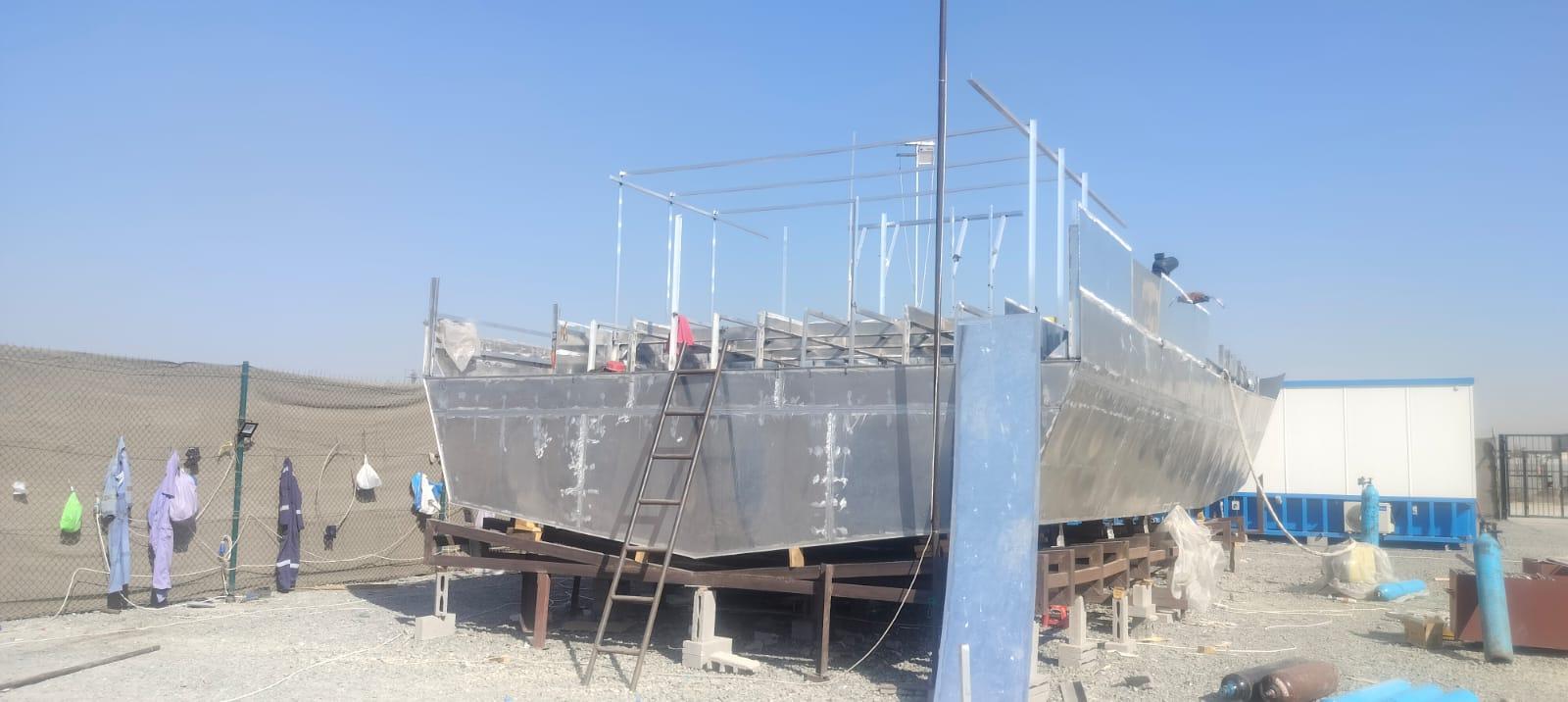
The maritime industry depends heavily on safe and reliable vessels to support global shipping operations. Today, aluminum tug builders are helping transform marine safety standards by developing stronger, lighter, and more efficient tugboats. As ports become busier and ships grow larger, the need for advanced tugboats has increased significantly. Modern aluminum tugs provide improved maneuverability, faster response times, and enhanced operational reliability, making them an essential part of safe maritime transportation.
According to the United Nations Conference on Trade and Development (UNCTAD), around 80–90% of global trade by volume is transported by sea. With millions of tons of cargo moving through international waters every year, maintaining high marine safety standards has become more important than ever. Tugboats play a crucial role in assisting vessels during docking, undocking, towing, and emergency operations. Their performance directly affects the safety of ports, crews, cargo, and the environment.
Growing Importance of Marine Safety
Marine accidents can result in significant financial losses, environmental damage, and risks to human life. The International Maritime Organization (IMO) continuously works with member countries to strengthen maritime safety regulations and improve operational standards across the industry.
Modern ports handle thousands of vessel movements annually. Large container ships, oil tankers, and bulk carriers require specialized assistance when navigating confined waterways. Tugboats serve as the primary support vessels for these operations, ensuring that ships move safely and efficiently.
As marine traffic increases, operators are looking for more advanced vessel designs that can enhance safety while reducing operational risks.
Why Aluminum Is Revolutionizing Tug Construction
One of the most important developments in modern shipbuilding is the use of aluminum as a primary construction material. Compared to traditional steel, aluminum offers a superior strength-to-weight ratio, making it highly suitable for tugboat construction.
Aluminum is typically about one-third lighter than steel. This reduced weight allows tugboats to achieve better speed, acceleration, and fuel efficiency while maintaining structural strength. Faster vessel response can be critical during emergency situations where every second matters.
In addition, aluminum naturally resists corrosion, which helps maintain structural integrity over longer operational periods. This characteristic reduces maintenance requirements and contributes to safer vessel performance throughout its service life.
Enhanced Maneuverability Improves Safety
One of the main reasons aluminum tugboats are gaining popularity is their exceptional maneuverability. Tugboats often operate in crowded ports and narrow waterways where precise control is essential.
Because aluminum vessels weigh less than comparable steel vessels, they can respond more quickly to steering commands and directional changes. Improved handling allows operators to safely guide large ships through complex navigation environments.
Industry research indicates that lighter marine vessels generally demonstrate better acceleration and turning performance. These capabilities reduce the likelihood of collisions and improve overall operational safety during towing and docking procedures.
Strong and Reliable Structural Performance
Modern tugboats are designed using advanced engineering software and sophisticated structural analysis tools. These technologies help naval architects optimize vessel strength while minimizing unnecessary weight.
Although lightweight, aluminum provides excellent durability when properly engineered. Reinforced structural designs enable tugboats to withstand heavy towing loads, rough weather conditions, and continuous operational stress.
The use of advanced construction techniques by aluminium tug manufacturers has improved vessel reliability and reduced the risk of structural failures. This contributes directly to safer marine operations and better long-term performance.
Faster Emergency Response Operations
Emergency response is one of the most critical functions performed by tugboats. Whether assisting stranded vessels, supporting firefighting operations, or responding to maritime incidents, tugboats must reach affected areas quickly.
The lighter weight of aluminum vessels often allows them to travel at higher speeds compared to traditional alternatives. Faster response capabilities help minimize risks during emergencies and improve the chances of successful intervention.
Many modern tugboats are equipped with specialized safety equipment, including firefighting systems, rescue gear, emergency towing apparatus, and advanced communication technologies. These features enable crews to handle emergencies more effectively while protecting lives and property.
Reduced Maintenance Enhances Operational Safety
Proper vessel maintenance is essential for maintaining marine safety standards. Structural deterioration and equipment failures can create serious hazards during operations.
Aluminum's natural resistance to rust and corrosion significantly reduces maintenance requirements compared to conventional materials. This advantage allows vessel operators to keep tugboats in optimal condition while reducing downtime.
Industry studies suggest that corrosion-related maintenance expenses can account for a substantial portion of vessel operating costs. By minimizing these issues, aluminum construction supports safer and more dependable marine operations.
Regular inspections remain important, but the long-term durability of aluminum helps ensure that vessels remain structurally sound throughout their operational lifespan.
Integration of Advanced Marine Technologies
Modern tugboats increasingly rely on digital technologies to improve safety and operational efficiency. The flexible design possibilities offered by aluminum construction make it easier to incorporate sophisticated systems.
Common safety technologies found on modern tugboats include:
- GPS-based navigation systems
- Dynamic positioning systems
- Collision avoidance technology
- Remote monitoring solutions
- Automated engine controls
- Advanced communication networks
These innovations help operators make better decisions, improve situational awareness, and reduce human error during complex marine operations.
A modern tugs building company often incorporates these technologies into vessel designs to ensure compliance with evolving international safety standards.
Environmental Protection and Marine Safety
Environmental protection is now considered a key component of marine safety. Fuel spills, emissions, and pollution incidents can have serious consequences for marine ecosystems and coastal communities.
The International Maritime Organization continues to introduce regulations aimed at reducing environmental impacts across the shipping industry. Aluminum tugboats support these goals by offering improved fuel efficiency due to their lighter weight.
Research shows that vessel weight reduction can improve fuel consumption by approximately 15% to 25%, depending on operating conditions and design specifications. Lower fuel usage translates into reduced greenhouse gas emissions and a smaller environmental footprint.
As sustainability becomes increasingly important, modern tugboats are helping operators balance environmental responsibility with operational safety.
Supporting Safer Port Operations
Global seaborne trade exceeded 12 billion tons in recent years, creating greater demands on ports worldwide. Managing this growing volume safely requires highly capable tugboats that can perform efficiently under challenging conditions.
Modern tugboats help prevent accidents by providing precise control during docking and undocking operations. Their ability to operate safely in restricted spaces reduces congestion and improves overall port efficiency.
A skilled tug builder in UAE and other leading maritime regions focuses on developing vessels that can meet the increasing safety demands of modern ports while maintaining high levels of operational performance.
The Contribution of VU Marine
Among the organizations contributing to advancements in modern tugboat construction, VU Marine has established a reputation for quality engineering and innovative vessel development. The company focuses on designing and building modern tugboats that meet evolving industry requirements while emphasizing safety, efficiency, and reliability.
By adopting advanced construction techniques and modern marine technologies, VU Marine supports the industry's efforts to improve vessel performance and strengthen marine safety standards.
Future of Marine Safety Standards
The maritime industry is expected to continue investing in advanced vessel technologies over the coming years. Automation, artificial intelligence, predictive maintenance systems, and smart navigation tools are likely to become increasingly common.
Aluminum construction will remain an important part of this transformation because of its unique combination of durability, lightweight performance, and corrosion resistance. Future tugboats may incorporate even more sophisticated safety features that enhance operational awareness and reduce risks.
Industry experts predict that next-generation tugboats will combine sustainable designs with intelligent technologies to create safer and more efficient maritime operations.
Conclusion
Marine safety is essential for the continued growth of global shipping, and modern tugboat construction is playing a major role in achieving higher standards. Through lightweight structures, improved maneuverability, corrosion resistance, and advanced technologies, aluminum tug builders are helping create safer marine environments.
As vessel traffic increases and safety requirements become more demanding, innovative tugboat designs will continue to support efficient port operations and emergency response activities. The contributions of modern manufacturers, including VU Marine, demonstrate how advanced engineering can strengthen marine safety while supporting the future of sustainable maritime transportation.

 English