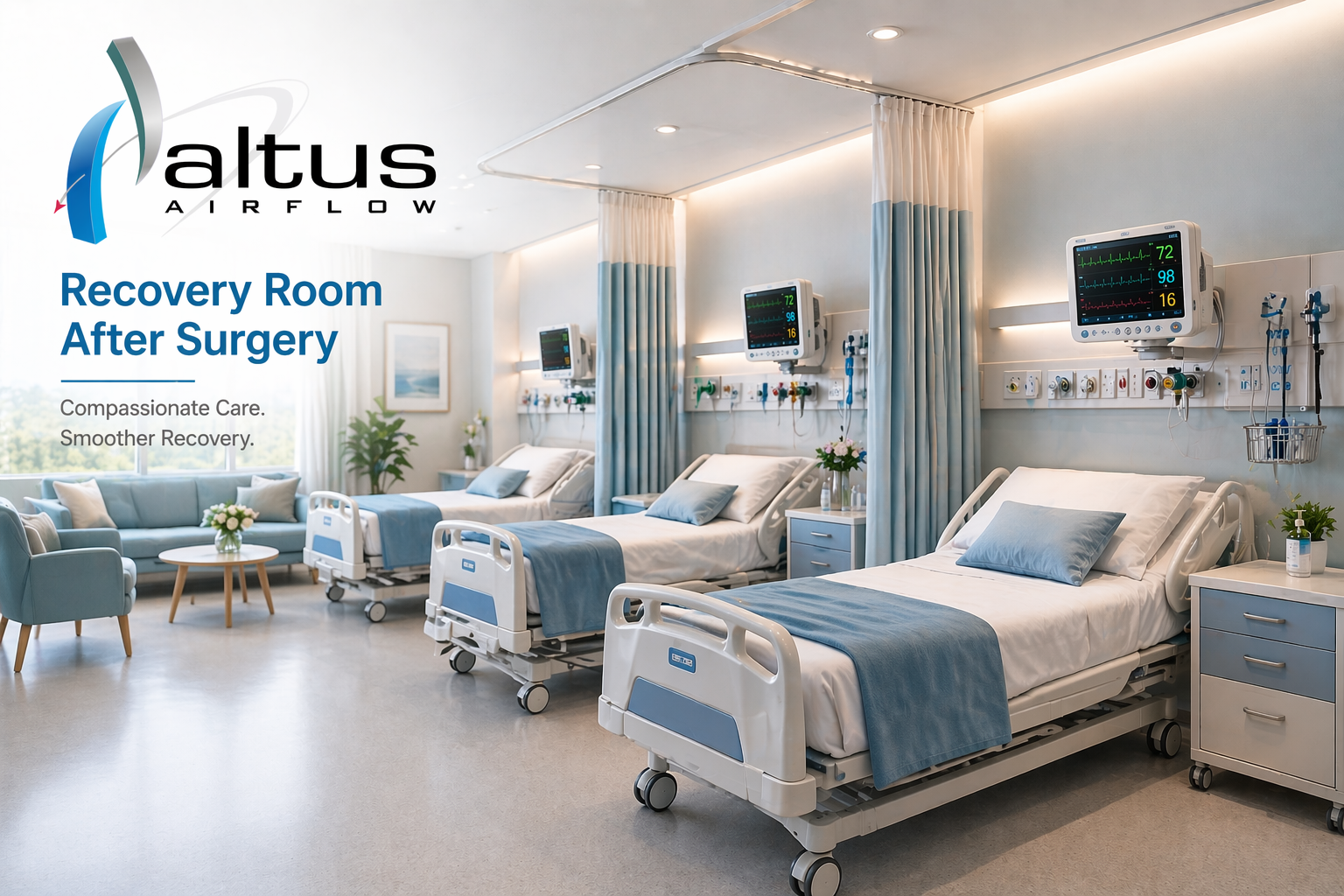
A Recovery Room After Surgery is a specialized hospital area where patients are closely observed immediately after a surgical procedure. The primary goal is to ensure a safe transition from the operating room while monitoring recovery from anesthesia and assessing overall health status. Trained healthcare professionals provide continuous care during this critical period to ensure patients remain stable and comfortable before being transferred to a hospital ward or discharged.
Continuous Vital Sign Monitoring
One of the most important aspects of post-operative care is monitoring vital signs.
Healthcare professionals regularly check heart rate, blood pressure, oxygen saturation, respiratory rate, and body temperature. These observations help detect any changes in the patient's condition and allow for immediate medical intervention if necessary.
Continuous monitoring improves patient safety during recovery.
Recovery from Anesthesia
Patients are carefully observed as the effects of anesthesia gradually wear off.
Nurses and medical staff assess consciousness levels, responsiveness, breathing patterns, and overall stability. This process helps ensure that patients recover safely without complications related to anesthesia.
Monitoring continues until the patient is fully alert and stable.
Pain Assessment and Management
Managing discomfort is an essential part of post-surgical care.
Healthcare providers regularly assess pain levels and administer prescribed medications when required. Effective pain control improves comfort, reduces stress, and supports the healing process.
Proper pain management also encourages early movement and recovery.
Oxygen Therapy and Respiratory Support
Some patients may require additional oxygen after surgery.
Recovery rooms are equipped with oxygen delivery systems to help maintain healthy oxygen levels. Medical staff monitor breathing patterns and provide respiratory support when necessary.
This is especially important for patients recovering from major surgeries or anesthesia.
Observation for Post-Operative Complications
The immediate post-surgical period carries certain risks.
Healthcare professionals watch for signs of excessive bleeding, breathing difficulties, allergic reactions, infection, nausea, vomiting, or abnormal heart rhythms. Early detection allows rapid treatment and helps prevent serious complications.
Intravenous Fluid and Medication Administration
Many patients continue receiving fluids and medications after surgery.
Intravenous (IV) lines are used to provide hydration, antibiotics, pain relief medications, and other necessary treatments. Medical staff monitor these therapies to ensure safe and effective recovery.
Wound and Surgical Site Assessment
Surgical sites are checked regularly during recovery.
Healthcare providers inspect dressings, monitor for bleeding, and assess the condition of the wound. Proper observation helps identify potential concerns before they become serious issues.
Comfort and Reassurance
Recovery room staff provide emotional support as patients regain awareness.
Patients may feel confused, anxious, or uncomfortable after surgery. Nurses offer reassurance, answer questions, and help create a calm environment that promotes recovery.
A supportive atmosphere improves the overall patient experience.
Mobility and Recovery Assessment
Before a patient leaves the recovery room, healthcare providers evaluate recovery progress.
They assess alertness, movement, pain levels, and overall stability. These evaluations help determine when it is safe to transfer the patient to another care area or prepare for discharge.
Communication with Healthcare Teams
Recovery room staff coordinate closely with surgeons, anesthesiologists, and nursing teams.
Updates regarding the patient's condition are shared to ensure continuity of care and proper treatment planning throughout the recovery process.
Conclusion
The care provided in a recovery room after surgery focuses on patient safety, comfort, and stabilization. Through continuous monitoring, anesthesia recovery support, pain management, oxygen therapy, complication detection, and professional nursing care, healthcare teams help ensure a smooth and safe transition from surgery to the next stage of recovery.
FAQs
1. What care is provided in a Recovery Room After Surgery?
A Recovery Room After Surgery provides vital sign monitoring, anesthesia recovery support, pain management, oxygen therapy, wound assessment, and observation for post-operative complications.
2. Why are patients monitored after surgery?
Monitoring helps detect complications early and ensures a safe recovery process.
3. Is pain management provided in the recovery room?
Yes, healthcare professionals assess pain levels and provide appropriate medications.
4. Do patients receive oxygen support after surgery?
Many patients receive oxygen therapy to maintain healthy oxygen levels during recovery.
5. How long do patients usually stay in the recovery room?
The duration varies depending on the procedure, anesthesia effects, and the patient's overall condition.



 SPARK Website

 عربي
عربي