


 SPARK Website
What Enterprise Data Management Brings to Better Decisions
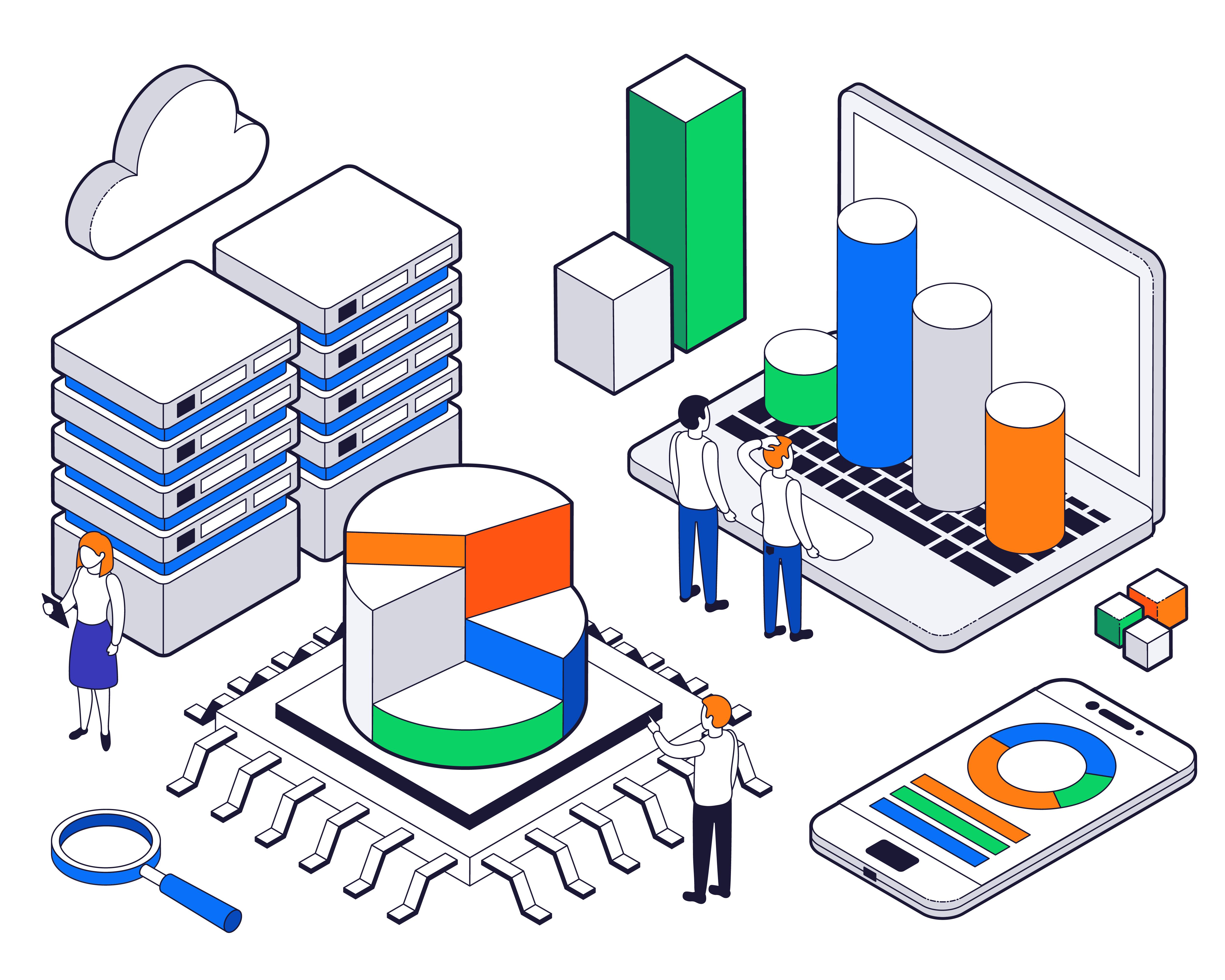
Data is now one of the most powerful tools behind business success. Every click, purchase, and customer interaction creates valuable information that can help companies make smarter and faster decisions. Businesses that understand and use this data well often stay ahead of competitors, work more efficiently, and handle future challenges with greater confidence.
But simply collecting data is not enough. Many organizations still face problems like messy records, scattered systems, and information that does not match across departments. When data is hard to trust or difficult to find, decisions become slow and uncertain. This is where enterprise data management plays an important role by helping businesses organize, secure, and use their data in a clear and structured way so leaders can make better decisions.
Understanding the Role of Data in Modern Business
Data is now at the core of almost every business decision. Whether companies are planning marketing campaigns, launching new products, or improving operations, they rely on information to guide their choices.
Why Data-Driven Decisions Matter
Organizations that use data effectively can:
-
Understand customer behavior
-
Improve operational efficiency
-
Reduce risks
-
Identify growth opportunities
-
Increase profitability
Without reliable data, businesses often rely on assumptions, which can lead to poor decisions.
The Growing Complexity of Information
Modern businesses collect data from multiple sources such as websites, mobile apps, social media, and internal systems.
As this information grows, it becomes harder to manage without proper systems in place. This complexity makes structured data management more important than ever.
What Enterprise Data Management Really Means
At its core, enterprise data management is about organizing and controlling data across an entire organization so it remains accurate, accessible, and secure.
It ensures that everyone in the business works with the same trusted information.
Building a Unified Data Environment
Many companies store data in separate systems, which leads to confusion and inconsistencies.
A unified approach helps organizations:
-
Combine data sources
-
Reduce duplication
-
Improve accuracy
-
Increase visibility
This creates a stronger foundation for decision-making.
Ensuring Data Accuracy and Consistency
When data is inconsistent, decisions can become unreliable.
Proper management processes ensure that information is regularly updated, validated, and standardized across all systems.
Improving Decision-Making Speed
One of the biggest advantages of enterprise data management is faster decision-making.
When data is easy to access and understand, leaders can respond more quickly to business challenges and opportunities.
Reducing Time Spent Searching for Information
In many organizations, employees spend too much time looking for data across different systems.
A well-organized structure reduces this time and allows teams to focus on analysis instead of data collection.
Enabling Real-Time Insights
Modern systems allow businesses to access real-time information.
This helps leaders:
-
Respond quickly to market changes
-
Adjust strategies faster
-
Make timely operational decisions
Faster insights often lead to better outcomes.
Enhancing Data Quality Across the Organization
High-quality data is essential for accurate decision-making.
Poor data quality can lead to mistakes, wasted resources, and missed opportunities.
Identifying and Fixing Data Issues
Common data problems include:
-
Duplicate records
-
Missing values
-
Outdated information
-
Inconsistent formats
Addressing these issues improves overall reliability.
Maintaining Long-Term Data Integrity
Data quality is not a one-time task.
It requires continuous monitoring and maintenance to ensure that information remains useful over time.
Many organizations rely on enterprise data management to maintain this level of consistency and control.
Creating a Single Source of Truth
A single source of truth means that everyone in the organization works with the same accurate and trusted data.
This is one of the most powerful outcomes of proper data management.
Eliminating Conflicting Information
When different departments use different versions of data, confusion arises.
A unified system ensures that all teams are aligned and working with the same information.
Improving Collaboration Across Teams
When employees trust the data they are using, collaboration becomes easier and more effective.
Teams can make decisions faster and with greater confidence.
Supporting Strategic Business Planning
Long-term business success depends on strong planning and forecasting.
Accurate data plays a major role in shaping effective strategies.
Better Forecasting and Predictions
Organizations can use data to:
-
Predict customer demand
-
Identify market trends
-
Plan future investments
-
Allocate resources effectively
These insights help reduce uncertainty in decision-making.
Aligning Goals With Real Data
Instead of relying on assumptions, leaders can base their strategies on real information.
This leads to more realistic and achievable business goals.
Improving Operational Efficiency
Efficient operations are essential for business growth.
When data is well-managed, processes become smoother and more effective.
Reducing Manual Workloads
Employees often spend significant time cleaning and organizing data.
Structured systems reduce this effort and improve productivity.
Streamlining Business Processes
Better data management supports automation and smoother workflows across departments.
This helps businesses save time and reduce operational costs.
Strengthening Customer Understanding
Customers are at the center of every business.
Understanding their needs and behavior is key to delivering better experiences.
Building a Complete Customer View
Customer data is often spread across multiple systems.
Bringing it together creates a complete view of each customer, including:
-
Purchase history
-
Preferences
-
Engagement patterns
-
Support interactions
Delivering Personalized Experiences
When businesses understand their customers better, they can offer more personalized services.
This leads to higher satisfaction and stronger customer loyalty.
Enhancing Data Security and Privacy
Data security is a top priority for modern organizations.
Protecting sensitive information is essential for maintaining trust and compliance.
Protecting Sensitive Information
Strong security practices help safeguard data from:
-
Unauthorized access
-
Cyber threats
-
Data breaches
-
Internal misuse
Supporting Compliance Requirements
Many industries must follow strict data regulations.
Proper management systems help organizations meet these requirements more effectively.
Database Managed Services often complement these efforts by maintaining secure and reliable data environments.
Enabling Advanced Analytics and Insights
Data becomes even more valuable when it is used for analysis.
Organizations can uncover insights that help improve performance and identify new opportunities.
Turning Data Into Business Intelligence
Analytics tools allow businesses to:
-
Track performance trends
-
Analyze customer behavior
-
Identify inefficiencies
-
Discover growth opportunities
Supporting Smarter Innovation
Data-driven insights encourage innovation by helping businesses test ideas and measure results more effectively.
Supporting Digital Transformation
Digital transformation depends heavily on structured and reliable data.
Without proper data management, technology investments may not deliver expected results.
Powering Modern Technologies
Advanced technologies like:
-
Artificial intelligence
-
Machine learning
-
Cloud platforms
-
Automation tools
all rely on clean and structured data.
Increasing Business Agility
Organizations with strong data systems can adapt more quickly to change.
This flexibility is essential in today’s fast-moving digital environment.
Improving Cost Efficiency
Poor data management often leads to unnecessary costs.
These may include duplicated efforts, system inefficiencies, and wasted resources.
Reducing Operational Waste
Efficient data systems help eliminate unnecessary processes and improve resource utilization.
Maximizing Business Value
Better data control ensures that organizations get the most value from their information assets.
This is one of the key reasons businesses invest in enterprise data management.
Supporting Better Leadership Decisions
Leadership teams rely on accurate information to guide business direction.
Without trustworthy data, decisions become slower and less reliable.
Increasing Confidence in Decisions
When leaders trust their data, they can make decisions with greater confidence and speed.
Improving Organizational Alignment
Shared access to reliable data ensures that all departments are aligned with business goals.
Choosing the Right Data Strategy Partner
Implementing a strong data strategy requires expertise and planning.
Organizations often benefit from working with experienced professionals who understand both technology and business needs.
What to Look For in a Partner
An effective partner should offer:
-
Technical expertise
-
Industry experience
-
Strategic guidance
-
Scalable solutions
-
Long-term support
Companies such as Tambena Consulting help organizations design and implement data strategies that improve decision-making and business performance.
Long-Term Benefits of Better Data Management
The advantages of strong data management extend far beyond daily operations.
Organizations often experience:
-
Faster decision-making
-
Improved accuracy
-
Better customer experiences
-
Stronger security
-
Increased efficiency
-
Greater innovation
Businesses that invest in enterprise data management build a strong foundation for sustainable growth and success.
Conclusion
Data has become one of the most valuable assets for modern businesses, but its real power depends on how well it is managed and used. When companies organize their information properly, they can make quicker, smarter, and more confident decisions that support better results across the business.
With improved accuracy, easy access, stronger security, and advanced analytics, enterprise data management turns raw data into clear and useful insights that support growth. Its impact goes far beyond technology, shaping strategy, improving operations, and enhancing customer experience. Businesses that focus on enterprise data management are better prepared to compete, innovate, and grow in a data-driven world. Ready to transform your decision-making and unlock the full value of your data? Visit our website today to learn how enterprise data management can support smarter insights and long-term success.

 English