


 SPARK Website
The Rise of the Superfake Handbag: When Luxury Becomes a Mirage
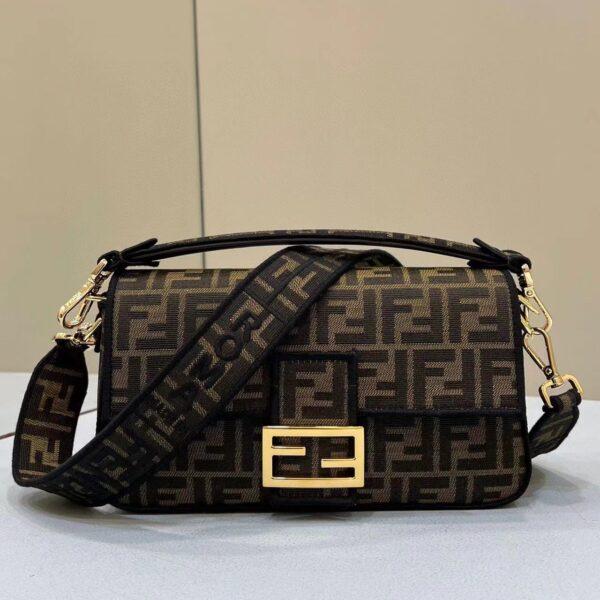
The world of luxury fashion has always thrived on an intoxicating blend of exclusivity, heritage, and impeccable craftsmanship. For decades, the sight of a beautifully crafted leather handbag bearing a prestigious name has been a symbol of status, a marker of taste, and often, a significant financial investment. However, the landscape of high-end accessories is undergoing a seismic shift. The traditional counterfeit—the cheap, plasticky knockoff sold on street corners—is being rapidly eclipsed by a far more sophisticated and unsettling phenomenon: the superfake handbags market. This is not merely a story of illicit goods; it is a complex narrative about changing consumer values, technological prowess in manufacturing, and a direct challenge to the very foundations of the luxury industry.
To understand the magnitude of this shift, one must first appreciate the evolution of the imitation. For years, counterfeit goods were the domain of back-alley deals and poor-quality products that fooled no one. They were easily identifiable by their cheap materials, inconsistent stitching, and hardware that tarnished within days. Today, those days are effectively over. A new generation of replicas has emerged, engineered with a level of precision that is nothing short of remarkable. These are the superfake handbags that are now flooding the market, products so meticulously crafted that they can deceive even the most trained eyes. The term “fake” itself has become almost antiquated within these circles, replaced by a lexicon that speaks to their quality: replicas, mirror bags, superclones, and 1:1s. This linguistic shift is a powerful indicator of how far the industry has come; these are not items to be hidden away but rather pieces that are presented with a certain pride in their craftsmanship.
The secret to the success of the superfake handbags phenomenon lies in the extraordinary sophistication of the manufacturing process. In clandestine workshops—often described in industry reports as a "paradise of counterfeit goods"—highly skilled artisans are creating products that are nearly indistinguishable from their authentic counterparts. These are not mass-produced items churned out in a matter of minutes. They are the result of industrial secret theft, detailed digital documentation, and the recruitment of skilled craftsmen, sometimes even from the very luxury houses they are copying. The manufacturing process for a designer bag is stored in intricate digital files, specifying everything from the type of thread and leather specifications to the exact stitch count. When these documents are leaked or stolen, they provide counterfeiters with a blueprint for perfection.
Furthermore, the materials used in these superfakes have undergone a radical upgrade. Gone are the days of faux leather and cheap plastics. Many manufacturers of superfake handbags now source their leather from the very same tanneries in Italy that supply the official fashion houses. The hardware is made from heavy, high-quality metals that mimic the weight and sheen of the originals. This commitment to using authentic or near-authentic materials means that a superfake does not just look the part; it feels the part too. A handbag that has the correct weight, the subtle grain of genuine leather, and the satisfying click of a well-made clasp creates a sensory experience that is almost impossible to fault. As one expert noted, while the materials may never match the absolute pinnacle of luxury, the stitching is often almost identical, making it incredibly difficult for an untrained eye—and sometimes even a trained one—to spot the difference.
The rise of the superfake handbags market is intrinsically linked to the aggressive pricing strategies of luxury brands themselves. Over the past decade, the cost of designer handbags has skyrocketed at a pace far exceeding inflation. A Chanel Classic Flap bag, for instance, which retailed for just over $5,000 in 2017, now costs nearly $12,000. Similarly, the price of a Prada Galleria bag increased by 111% between 2019 and 2024, while Louis Vuitton’s Speedy 30 and Gucci’s GG Marmont saw increases of 100% and 75%, respectively. This relentless escalation has priced a significant portion of the aspirational consumer base out of the market. When a handbag costs more than a used car, the allure of a near-identical version for a fraction of the price becomes overwhelmingly attractive.
The price points for superfake handbags are a key part of their appeal and their ability to disrupt the market. Unlike the cheap knockoffs of old, these are not bargain-bin items. They typically cost anywhere from $500 to $5,000, placing them in a mid-luxury bracket. This pricing strategy is deliberate and clever. A $600 superfake is a significant purchase, but when compared to an $11,000 authentic bag, it suddenly feels like a savvy financial decision. It allows consumers to project an image of wealth and style without the crippling financial outlay. This is not about being fooled; for a growing number of consumers, it is a conscious, calculated choice. As one luxury marketing expert put it, buying a replica is becoming a way to “give big brands the middle finger,” a rejection of what many perceive as exploitative markups.
This sentiment is particularly strong among younger demographics, notably Gen Z. This generation has grown up in a digital world where information is freely shared, and they have become increasingly skeptical of traditional marketing and brand narratives. The veil of mystique that luxury brands have carefully cultivated for centuries has been lifted. Videos circulating on social media, often shared by counterfeiters themselves, have questioned the true cost of manufacturing luxury goods, suggesting that brands produce their items for a tiny fraction of their retail price. Whether these claims are accurate or not, they have planted a seed of doubt in the minds of young consumers. Why pay a 1,500% markup for a bag that costs a fraction of that to make, when you can get a visually identical superfake handbags version for a fraction of the cost? As a result, Gen Z shoppers spent roughly $5 billion less on luxury brands in a recent period than they did the previous year, with a significant portion of that defection attributed to the growing acceptance of high-quality fakes.
The impact of the superfake handbags trend extends far beyond the balance sheets of luxury conglomerates; it has created a profound crisis of confidence in the entire second-hand and resale market. Online platforms that deal in pre-owned luxury goods are particularly vulnerable. Authentication, once a relatively straightforward process based on visual cues, has become a high-stakes game of cat and mouse. The superfake handbags are engineered not just to look right but to replicate the finer details that authenticators rely on: the precise weight, the specific sound of the canvas, the exact color of the gold plating, and even the serial numbers. They are, in essence, designed to pass authentication checks, sometimes even on the most reputable resale platforms.
This has put immense pressure on authenticators. Industry leaders have acknowledged a harsh new reality: the naked eye is no longer sufficient to distinguish between genuine and fake. In one notable test, a retailer placed a fake Louis Vuitton next to a genuine one, and even the sales staff at luxury brands were stumped. Authenticators are now forced to rely on advanced technology, such as high-resolution scanners and X-ray machines, to peer beneath the surface and examine the internal construction of a bag. Even then, the technology is locked in an arms race with the counterfeiters, who are constantly finding new ways to replicate the microscopic details that machines are designed to detect. This erosion of trust is one of the most significant long-term threats posed by the superfake handbags industry. If consumers can no longer be certain that the expensive bag they are buying on the second-hand market is authentic, the entire ecosystem of luxury resale is at risk.
The cultural normalization of superfake handbags is perhaps the most fascinating aspect of this trend. What was once a shameful secret is now, for some, a source of pride. Online communities on platforms like Reddit and TikTok have sprung up, dedicated to the appreciation and celebration of high-quality replicas. These are not underground, shadowy forums; they are vibrant communities where members share detailed reviews, unboxing videos, and contact information for trusted sellers. The narrative has shifted from one of deception to one of empowerment. For many in these communities, buying a superfake is a subversive act, a way to participate in the world of luxury fashion on their own terms. It is about looking stylish, enjoying the aesthetic of a beautifully designed bag, and rejecting the notion that style must come with a crippling price tag.
This cultural shift is reflected in the changing language surrounding these products. Sellers and buyers alike avoid the word "fake," preferring terms that emphasize the quality and precision of the item. The use of terms like "mirror quality" or "1:1" has become standard, blurring the line between a replica and an original. This rebranding is a powerful marketing tool, reframing an illegal activity as a form of craftsmanship and a financially savvy alternative to overpriced luxury brands. The superfake handbags market has effectively sanitized its image, presenting itself not as a criminal enterprise but as a consumer-friendly service that offers exceptional value.
The response from the luxury industry has been a mix of legal action, technological investment, and public relations campaigns. Luxury groups have begun focusing their legal efforts on the higher-tier imitations, pursuing cases against sellers of superfakes. For instance, Richemont, the parent company of Cartier and Van Cleef & Arpels, has filed lawsuits against companies selling imitation jewelry at price points high enough to compete directly with the originals. Simultaneously, brands are investing heavily in advanced authentication technologies, such as RFID or NFC tags that allow consumers to tap their phones on a tag to verify authenticity. However, these efforts are often reactive and expensive, and they struggle to keep pace with the ingenuity of the counterfeiters.
In many ways, the luxury industry is reaping what it has sown. By relentlessly increasing prices and creating an aura of unattainability, brands have inadvertently fueled the demand for alternatives. The superfake handbags phenomenon is a direct consequence of a market that has priced out a generation of consumers while simultaneously failing to offer them a compelling reason to remain loyal. A handbag that costs more than a house down payment is no longer a symbol of aspiration for many; it is a symbol of an economic system that feels broken. The superfake offers a way to opt out of that system while still enjoying the aesthetic rewards.
The craftsmanship behind a superfake handbags item is a double-edged sword. On one hand, it is a testament to the incredible skill of the artisans who make them. On the other, it is a direct assault on the intellectual property and heritage of the world’s most prestigious fashion houses. These are not simple copies; they are, in many cases, industrial masterpieces that require an extraordinary level of expertise to produce. The fact that a secret workshop in China can produce a bag that is 99% close to the original is both a marvel of modern manufacturing and a profound threat to a multi-billion-dollar industry. It raises uncomfortable questions about the true value of a luxury brand. If a bag can be replicated with such fidelity, what exactly are consumers paying for when they buy the original? Is it the materials, the craftsmanship, or is it simply the intangible—yet immensely valuable—power of the brand name?
The future of the superfake handbags market is uncertain but one thing is clear: it is not going away. The forces that have fueled its rise—soaring prices, technological advancement, and changing consumer attitudes—are only growing stronger. As the technology used to create these replicas becomes more sophisticated and accessible, the line between authentic and fake will continue to blur. The luxury industry must adapt to this new reality. Simply relying on legal action and authentication technology will not be enough. To win back consumers, luxury brands may need to rethink their entire value proposition. They must offer something that a superfake cannot: an experience, a story, and a connection that transcends the mere possession of a beautifully crafted object. This could involve greater transparency in pricing and production, more personalized customer experiences, and a renewed focus on the heritage and craftsmanship that truly sets them apart.
For the consumer, the proliferation of superfake handbags presents a complex ethical and personal dilemma. On one side, there is the allure of owning a beautiful bag that looks and feels like the real thing for a fraction of the cost. On the other, there are concerns about supporting an illegal industry that has been linked to organized crime and worker exploitation. The decision is further complicated by the fact that even the most discerning buyer can be deceived. The days of confidently assuming that a bag from a reputable reseller is authentic are fading. The modern luxury consumer must be more vigilant than ever, armed with knowledge and a healthy dose of skepticism.
The narrative of the superfake handbags market is also a narrative about globalization. The counterfeiting industry has become a sophisticated global enterprise, with supply chains that stretch across continents. The raw materials might come from Italy, the manufacturing might happen in China, the marketing might be done by social media influencers in the United States, and the final sale might be made to a consumer in Europe via an encrypted messaging app. This interconnectedness makes it incredibly difficult for any single government or brand to effectively combat the trade. It requires a coordinated international effort, a level of cooperation that is often difficult to achieve in practice.
Moreover, the superfake trend is a stark reminder of the power of social media in shaping consumer behavior. Platforms like TikTok and Instagram have become the primary marketing channels for these illicit goods. Influencers, whether knowingly or not, promote these products to their massive followings, normalizing their consumption and driving demand. This digital word-of-mouth marketing is incredibly effective and difficult to police. The superfake handbags industry has skillfully leveraged the tools of the digital age to build a global brand of its own, one that operates outside the traditional rules of commerce.
The world of superfake handbags is a fascinating, complex, and ultimately troubling reflection of our times. It highlights the growing divide between the ultra-wealthy and the aspirational consumer, the power of technology to disrupt established industries, and the shifting values of a new generation. It forces us to question what we truly value in a luxury good: is it the intangible heritage and exclusivity, or is it simply the aesthetic pleasure of a well-designed object? As the superfake handbags continue to improve, they pose an increasingly existential question to the luxury industry. If the copy is visually and tactilely indistinguishable from the original, what is the real value of the brand? The answer to that question will determine the future of luxury fashion itself. For now, the superfake stands as a powerful and disruptive force, a testament to human ingenuity and a bold challenge to the established order of the fashion world.
Final Thoughts
Navigating the world of luxury accessories has never been more challenging or more intriguing. The emergence of superfake handbags has fundamentally altered the landscape, forcing both brands and consumers to reconsider their relationship with luxury. While the legal and ethical debates will continue to rage, the undeniable reality is that these high-quality replicas represent a significant shift in consumer behavior and manufacturing capability. For those who choose to engage with this market, it is a space defined by incredible craftsmanship, complex motivations, and a constant blurring of the lines between the authentic and the imitation. Ultimately, the true value of any handbag may no longer be found in its label, but in the eye of the beholder.

 English