


 SPARK Website
How Horror Games Trick Us Into Scaring Ourselves
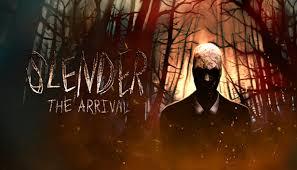
The older I get, the more convinced I become that horror games aren't really about monsters.
Monsters help, of course.
So do creepy locations, disturbing sound effects, and the occasional jump scare.
But when I think back to the horror games that genuinely unsettled me, I realize something strange.
Most of the fear came from my own imagination.
The game started the process.
My brain finished it.
That's one of the reasons horror games remain such a fascinating genre. Unlike many other games, they don't just present an experience. They encourage players to participate in creating it.
And sometimes we end up terrifying ourselves far more effectively than any developer could.
The Fear Usually Starts Before Anything Happens
One of the most effective moments in horror games is often the moment before a threat appears.
You're walking through a hallway.
Nothing is moving.
Nothing is attacking you.
Nothing has happened.
Yet your heart rate starts increasing anyway.
Why?
Because your brain is preparing for danger.
You're anticipating a scare.
You're expecting something around the next corner.
You're waiting for the game to make its move.
Ironically, the anticipation itself often becomes more stressful than the scare that eventually arrives.
The longer that anticipation lasts, the stronger it becomes.
Good horror games understand this and take advantage of it.
They know players will do much of the work themselves.
We Constantly Expect the Worst
Human beings are surprisingly good at imagining bad outcomes.
A strange sound immediately becomes suspicious.
A dark room immediately seems threatening.
An open doorway immediately raises questions.
What if something is inside?
What if something is watching?
What if I'm about to trigger an encounter?
Most of the time, nothing happens.
Yet the emotional response remains real.
I've lost count of how many times I've approached a doorway in a horror game expecting disaster only to find an empty room.
The fear existed entirely in my imagination.
The game merely provided the possibility.
Horror Games Love Incomplete Information
Many genres reward players with information.
You know your objectives.
You know enemy locations.
You understand the rules.
Horror games often operate differently.
They intentionally withhold details.
You hear a noise but don't know the source.
You see evidence of something without seeing the thing itself.
You discover clues that raise new questions instead of providing answers.
This incomplete information forces players to speculate.
And speculation is where fear grows.
The less certain we are, the more active our imagination becomes.
Developers don't need to show a monster immediately.
Sometimes a locked door and an unexplained sound are enough.
The Power of Looking Over Your Shoulder
One behavior seems almost universal among horror players.
Checking behind them.
Even when there is absolutely no reason to do so.
I've done it countless times.
Walking down a corridor.
Suddenly turning around.
Seeing nothing.
Continuing forward.
Repeating the process thirty seconds later.
Logically, it doesn't make much sense.
Emotionally, it makes perfect sense.
Horror games create uncertainty about what players cannot see.
That uncertainty encourages caution.
The result is a constant cycle of checking, doubting, and second-guessing.
Players become active participants in maintaining their own anxiety.
Silence Can Be More Effective Than Action
Many people assume horror requires constant danger.
I've found the opposite to be true.
Some of the most memorable horror experiences involve long stretches where nothing happens.
No enemies.
No chases.
No dramatic events.
Just silence.
At first, silence feels safe.
Then it starts feeling suspicious.
The longer it continues, the more uncomfortable it becomes.
Players begin wondering why nothing is happening.
What is the game waiting for?
What am I missing?
Eventually the absence of danger becomes a source of tension itself.
That's a remarkable trick when you think about it.
The game creates fear through inaction rather than action.
We Create Stories Without Realizing It
One reason horror feels personal is that players constantly build narratives inside their heads.
You hear a sound and immediately invent an explanation.
You find a strange object and start creating theories.
You notice an unusual detail and wonder whether it matters.
These small stories help players understand the world.
They also create opportunities for fear.
The imagined explanation is often worse than reality.
That's why horror communities spend years discussing mysteries and hidden meanings.
People enjoy filling the gaps.
The gaps are where imagination thrives.
Familiar Mechanics Become Threatening
It's interesting how horror games can transform ordinary gameplay systems into sources of stress.
Opening doors.
Managing inventory.
Saving progress.
Checking maps.
Activities that feel routine in other genres suddenly become tense.
A simple inventory screen can create anxiety when danger might appear nearby.
Opening a door becomes stressful when you don't know what's waiting on the other side.
The mechanics themselves aren't frightening.
The context changes everything.
Fear has a way of making ordinary actions feel important.
Our feature on [why small decisions feel huge in horror games] explores this effect in more detail.
Why Watching Others Play Isn't the Same
I've watched countless horror game videos online.
Some are entertaining.
Some are genuinely suspenseful.
Yet they rarely affect me the same way as playing.
The reason is simple.
When watching, someone else is responsible for the decisions.
They're opening the door.
They're entering the room.
They're taking the risk.
When playing, that responsibility belongs to you.
Every choice feels personal.
Every mistake feels avoidable.
Every threat feels closer.
The game becomes an experience rather than a performance.
That's where much of horror's power comes from.
Participation.
The Best Horror Respects the Player's Imagination
Not every horror game understands this.
Some reveal too much.
Some explain everything.
Some rely entirely on visible threats.
The strongest horror experiences usually show restraint.
They leave room for uncertainty.
Room for interpretation.
Room for imagination.
Instead of dictating every emotional response, they allow players to contribute.
The result feels more personal because part of the experience comes from the player.
No two people are scared by exactly the same things.
The best horror games recognize that reality.
We Might Be Our Own Worst Enemy
Looking back on years of horror gaming, I've reached a simple conclusion.
Many horror games aren't actually trying to scare us directly.
They're creating conditions that allow us to scare ourselves.
A dark hallway.
An unexplained sound.
A strange shadow.
An unanswered question.
Individually, those things are small.
Combined, they activate something powerful inside the player's imagination.
That's why the memories often last longer than the actual scares.
The monster eventually disappears.
The jump scare ends.
The game reaches its conclusion.
But the feeling created by uncertainty can linger for years.
And maybe that's what makes horror games unique.
Not that they frighten us.
That they convince us to become part of the process.
When you think about your scariest gaming memory, was it something the game showed you—or something your imagination created before it happened?

 عربي
عربي