Artificial Intelligence (AI) is redefining industries worldwide, and car insurance is no exception. In 2026, AI is at the core of how insurance companies design, price, and manage policies. From smarter risk assessment to faster claims processing, AI is helping insurers deliver more efficient and personalized services. For drivers exploring car insurance qatar, understanding how AI is shaping policies can help them make better and more cost-effective decisions.
One of the most noticeable changes is how insurers evaluate risk. Traditional methods relied on general factors such as age, gender, and driving history. AI, however, analyzes vast amounts of real-time data, including driving patterns, vehicle usage, and even environmental conditions. This enables insurers to create highly personalized policies that reflect an individual’s actual risk rather than broad assumptions.
AI is also improving the accuracy of premium pricing. By using predictive analytics, insurance companies can forecast potential risks with greater precision. This means safer drivers are rewarded with lower premiums, while high-risk behaviors are identified early. As a result, pricing becomes fairer and more transparent, benefiting both insurers and customers.
Another major shift is the digitization of customer interactions. AI-powered platforms allow users to buy policies, make changes, and file claims online with minimal effort. Chatbots and virtual assistants are available 24/7, providing instant support and guiding customers through complex processes. This level of convenience has become a standard expectation in 2026.
Smarter Underwriting with AI
Underwriting is the process insurers use to evaluate risk and determine policy terms. In the past, this was a time-consuming task involving manual data analysis. Today, AI automates much of this process by quickly analyzing large datasets from multiple sources.
AI can assess factors such as driving behavior, accident history, traffic conditions, and even weather patterns. This leads to more accurate underwriting decisions and reduces the chances of human error. It also speeds up policy approvals, allowing customers to get coverage almost instantly.
Usage-Based Insurance Powered by AI
Usage-Based Insurance (UBI) has become increasingly popular, and AI plays a crucial role in its success. By analyzing data from telematics devices and mobile apps, AI can track how, when, and where a person drives.
This information is used to adjust premiums in real time or at regular intervals. Safe drivers who avoid speeding, sudden braking, or late-night driving can benefit from significant discounts. AI ensures that the data is processed accurately and fairly, making UBI a reliable option for modern drivers.
Faster and More Accurate Claims Processing
Claims processing has traditionally been one of the most frustrating aspects of car insurance. AI is changing this by automating the entire process. In 2026, many insurers use AI to assess damage through photos or videos submitted by customers.
These systems can estimate repair costs, detect fraud, and even approve claims within minutes. This not only speeds up the process but also reduces administrative costs. Customers benefit from quicker payouts and a more seamless experience.
Fraud Detection and Prevention
Insurance fraud is a major challenge for the industry, costing billions each year. AI is helping to combat this issue by identifying suspicious patterns and anomalies in claims data.
Machine learning algorithms can detect inconsistencies that may not be obvious to human investigators. For example, if a claim contains unusual details or matches known fraud patterns, the system can flag it for further review. This helps insurers reduce losses and maintain fair pricing for honest customers.
Personalized Customer Experience
AI enables insurers to offer a more personalized experience to their customers. By analyzing user behavior and preferences, companies can recommend policies, coverage options, and add-ons that suit individual needs.
For instance, a driver who frequently travels long distances may receive suggestions for comprehensive coverage, while someone who drives occasionally may be offered flexible, on-demand insurance. This level of customization enhances customer satisfaction and ensures that users get the most relevant services.
Predictive Maintenance and Risk Prevention
AI is not just reactive—it is also proactive. In 2026, many insurance providers use AI to predict potential vehicle issues before they become serious problems. By analyzing data from connected cars, AI can identify signs of wear and tear or mechanical failure.
Drivers can receive alerts and recommendations for maintenance, helping them avoid breakdowns and accidents. This reduces the likelihood of claims and improves overall road safety.
Integration with Autonomous and Connected Vehicles
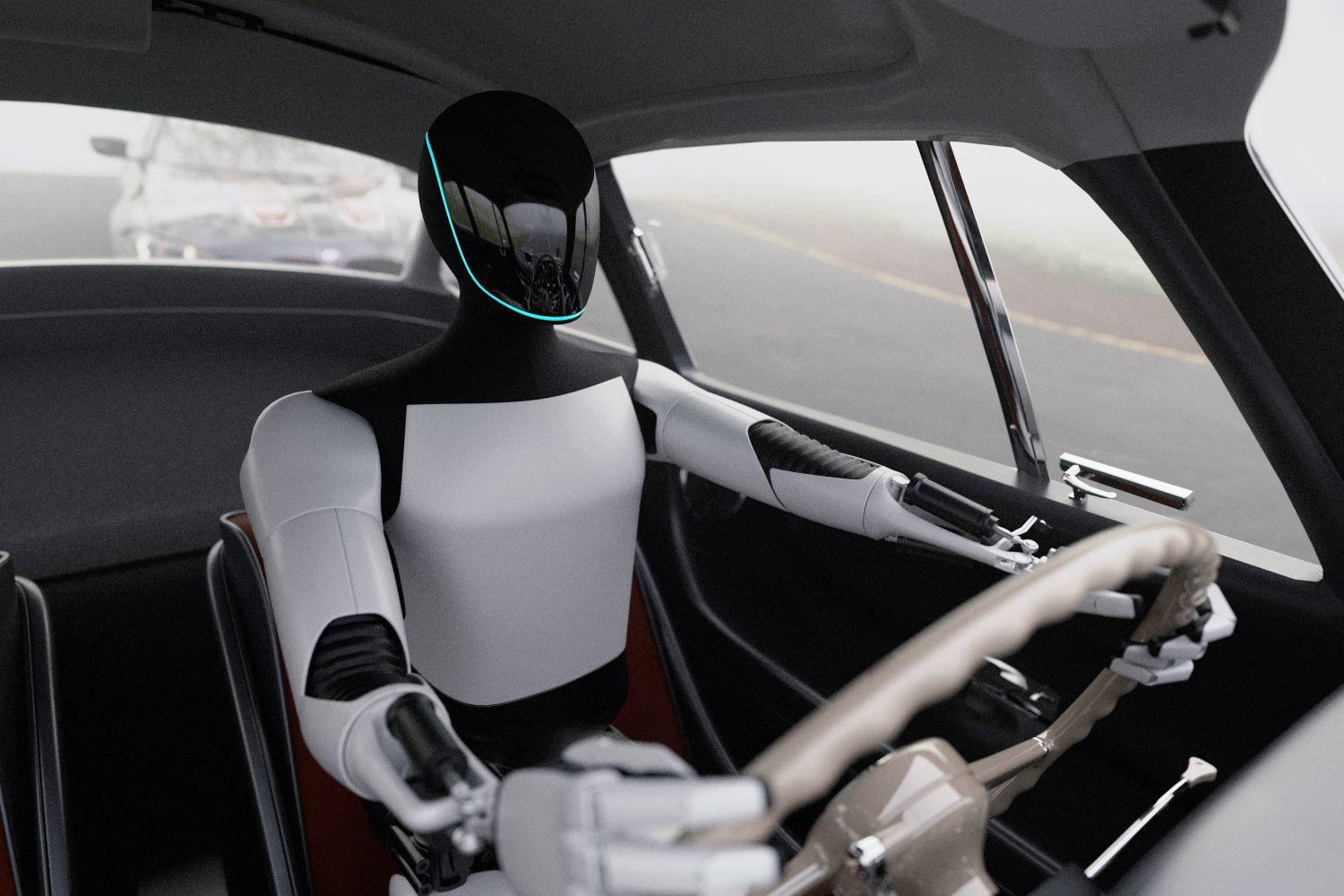
As vehicles become more advanced, AI is playing a key role in integrating insurance with automotive technology. Connected cars generate vast amounts of data, which AI systems use to assess risk and adjust coverage in real time.
In autonomous vehicles, AI helps determine liability in the event of an accident. This is particularly important as responsibility may shift from the driver to the vehicle manufacturer or software provider. Insurance policies are evolving to accommodate these changes, creating new models of coverage.
Enhanced Decision-Making for Insurers
AI provides insurers with powerful insights that support better decision-making. By analyzing trends and patterns, companies can identify emerging risks, optimize pricing strategies, and develop new products.
This data-driven approach allows insurers to stay competitive in a rapidly changing market. It also ensures that customers benefit from innovative solutions and improved services.
Challenges and Considerations
Despite its many advantages, the use of AI in car insurance also raises challenges. Data privacy and security are major concerns, as insurers handle sensitive personal information. Companies must invest in robust cybersecurity measures to protect customer data.
There is also the question of transparency. Customers need to understand how AI-driven decisions are made, especially when it comes to pricing and claims. Insurers must ensure that their systems are fair, unbiased, and easy to explain.
What Drivers Should Expect
In 2026, drivers can expect a more dynamic and responsive insurance experience. Policies will be tailored to individual needs, and interactions with insurers will be faster and more convenient. AI will continue to evolve, bringing even more innovation to the industry.
To make the most of these advancements, drivers should embrace technology, maintain safe driving habits, and stay informed about new developments. Understanding how AI works in car insurance can help them choose better policies and maximize their benefits.
Conclusion
Artificial Intelligence is transforming car insurance policies in ways that were unimaginable just a few years ago. From personalized pricing to instant claims processing, AI is making insurance more efficient, transparent, and customer-focused.
As we move further into 2026, the role of AI will only continue to grow. For drivers, this means greater convenience, improved safety, and more control over their insurance experience. By staying informed and adapting to these changes, they can fully benefit from the AI-driven future of car insurance.



 SPARK Website

 English