


 SPARK Website
The Importance of Aluminium Barge Manufacturers for Coastal Development
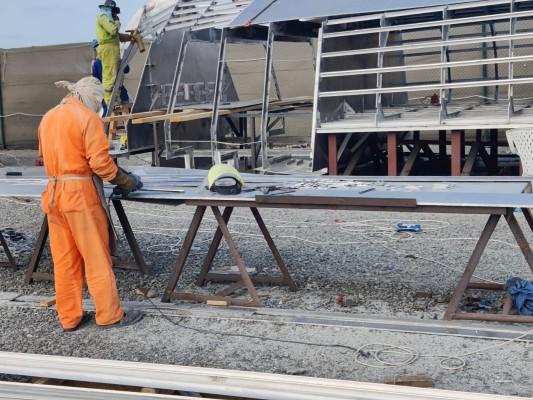
Coastal development has become a major priority for countries seeking to improve trade, transportation, tourism, and marine infrastructure. In this process, aluminium barge manufacturers play a critical role by providing durable and efficient vessels that support various coastal and offshore operations. From transporting construction materials to assisting with port expansion projects, aluminium barges have become essential assets in modern maritime industries.
As coastal populations continue to grow and governments invest heavily in waterfront infrastructure, the demand for advanced barges is increasing rapidly. Their lightweight construction, corrosion resistance, and long operational life make them an ideal choice for a wide range of marine applications.
Growing Importance of Coastal Development
Coastal regions contribute significantly to global economic activity. According to the United Nations Conference on Trade and Development (UNCTAD), more than 80% of global trade by volume is transported by sea. This highlights the importance of ports, harbors, and coastal logistics systems in supporting international commerce.
The World Bank also estimates that nearly 40% of the world's population lives within 100 kilometers of a coastline. As urbanization increases, governments are investing billions of dollars in:
- Port modernization projects
- Coastal protection systems
- Offshore energy developments
- Tourism infrastructure
- Industrial waterfront facilities
These projects require reliable marine transportation solutions, making aluminium barges an important component of coastal growth.
Why Aluminium Barges Are Preferred
Aluminium has become one of the most widely used materials in modern marine construction due to its outstanding performance characteristics.
Corrosion Resistance
Saltwater environments are extremely challenging for marine vessels. Aluminium naturally forms a protective oxide layer that helps prevent corrosion, reducing maintenance requirements and increasing vessel lifespan.
This advantage makes aluminium barges highly suitable for long-term coastal operations where durability is essential.
Lightweight Design
Aluminium weighs approximately one-third as much as steel. This lighter structure offers several benefits:
- Better fuel efficiency
- Increased cargo capacity
- Easier transportation
- Lower operational expenses
These advantages help marine operators improve productivity while reducing costs.
Longer Service Life
Modern aluminium barges can remain operational for decades when properly maintained. Their resistance to corrosion and structural fatigue contributes to lower lifecycle costs compared to many traditional vessel designs.
Supporting Coastal Construction Activities
Coastal infrastructure projects often involve transporting heavy construction materials, machinery, and workers across waterways. Aluminium barges provide a practical solution for these tasks.
They are commonly used for:
- Jetty construction
- Bridge projects
- Harbor expansion
- Coastal protection works
- Marine infrastructure installations
Without dependable marine transportation, many coastal projects would experience significant delays and increased expenses.
This is why the contribution of aluminum barge builders has become increasingly important in supporting modern coastal development initiatives worldwide.
Role in Port and Harbor Expansion
Global seaborne trade continues to grow every year. Maritime industry reports indicate that worldwide seaborne trade exceeds 12 billion tons annually, creating pressure on existing port infrastructure.
To accommodate rising cargo volumes, countries are expanding and modernizing their maritime facilities. During these projects, barges are frequently used as:
- Material transport vessels
- Floating work platforms
- Dredging support units
- Equipment carriers
Their versatility allows contractors to complete critical marine operations more efficiently and safely.
Supporting Offshore Renewable Energy
Renewable energy development is becoming a major focus of coastal economies. Offshore wind farms and other marine energy projects require extensive support during construction and maintenance phases.
According to the International Energy Agency (IEA), offshore wind power capacity has experienced rapid growth and is expected to continue expanding significantly in the coming years.
Aluminium barges assist these projects by transporting:
- Wind turbine components
- Construction equipment
- Technical crews
- Maintenance materials
The efficiency and durability of aluminium vessels make them highly valuable for offshore energy operations.
Environmental Advantages
Sustainability has become an essential factor in marine infrastructure planning. Aluminium offers several environmental benefits that support modern sustainability goals.
High Recyclability
Aluminium is one of the most recyclable industrial materials available. Industry studies estimate that nearly 75% of all aluminium ever produced remains in use today because it can be recycled repeatedly without losing quality.
This helps reduce resource consumption and supports circular economy initiatives.
Reduced Fuel Consumption
Because aluminium barges are lighter than many alternatives, they generally require less fuel to operate. Lower fuel usage contributes to:
- Reduced carbon emissions
- Lower operating costs
- Improved environmental performance
These benefits make aluminium barges an attractive option for environmentally responsible marine transportation.
Strengthening Coastal Connectivity
Many remote coastal communities and islands rely heavily on marine transportation for access to essential goods and services.
Aluminium barges help transport:
- Food supplies
- Construction materials
- Medical equipment
- Utility infrastructure
- Industrial cargo
Improved marine logistics contribute to stronger local economies and better living standards for coastal populations.
In regions experiencing rapid maritime growth, including areas served by barge builders in UAE, efficient barge solutions continue to support both commercial and infrastructure development projects.
Technological Advancements in Barge Manufacturing
Modern manufacturing technologies have significantly improved the quality and performance of aluminium barges.
Today's vessels benefit from:
- Computer-aided design systems
- Advanced welding technologies
- Precision engineering techniques
- Structural optimization software
- Enhanced safety features
These innovations enable manufacturers to build stronger, safer, and more efficient barges tailored to specific operational requirements.
Organizations such as VU Marine contribute to the advancement of modern marine engineering by focusing on quality vessel construction and innovative manufacturing practices.
Economic Contributions
The barge manufacturing sector generates substantial economic value through:
- Employment opportunities
- Industrial development
- Supply chain growth
- Maritime exports
- Infrastructure support
Investments in coastal infrastructure often produce long-term economic benefits by improving transportation efficiency and facilitating international trade.
As a result, the marine manufacturing industry remains an important contributor to economic development in coastal regions around the world.
Future Outlook for Coastal Development
The future of coastal infrastructure looks promising as governments continue investing in:
- Smart ports
- Offshore renewable energy
- Coastal protection systems
- Waterfront commercial zones
- Marine transportation networks
These initiatives will require reliable marine support vessels capable of operating efficiently in demanding environments.
A modern barge building company plays a crucial role in meeting these requirements by delivering specialized vessels that support construction, logistics, and offshore operations.
Industry experts expect demand for aluminium barges to remain strong over the coming decades as global trade volumes, coastal populations, and infrastructure investments continue to grow.
Conclusion
The importance of aluminium barges in coastal development continues to increase as countries invest in stronger maritime infrastructure and sustainable transportation systems. Their lightweight construction, corrosion resistance, long service life, and environmental benefits make them ideal for a wide range of coastal and offshore applications.
From supporting construction projects and port expansion to enabling renewable energy development and improving coastal connectivity, aluminium barges remain essential assets for modern marine operations. With ongoing technological advancements and growing infrastructure investments, companies like VU Marine and the broader aluminium barge manufacturing sector will continue to play a vital role in shaping the future of coastal development worldwide.

 English