


 SPARK Website
How Solar-Powered Garbage Compactors Support Smart Waste Solutions
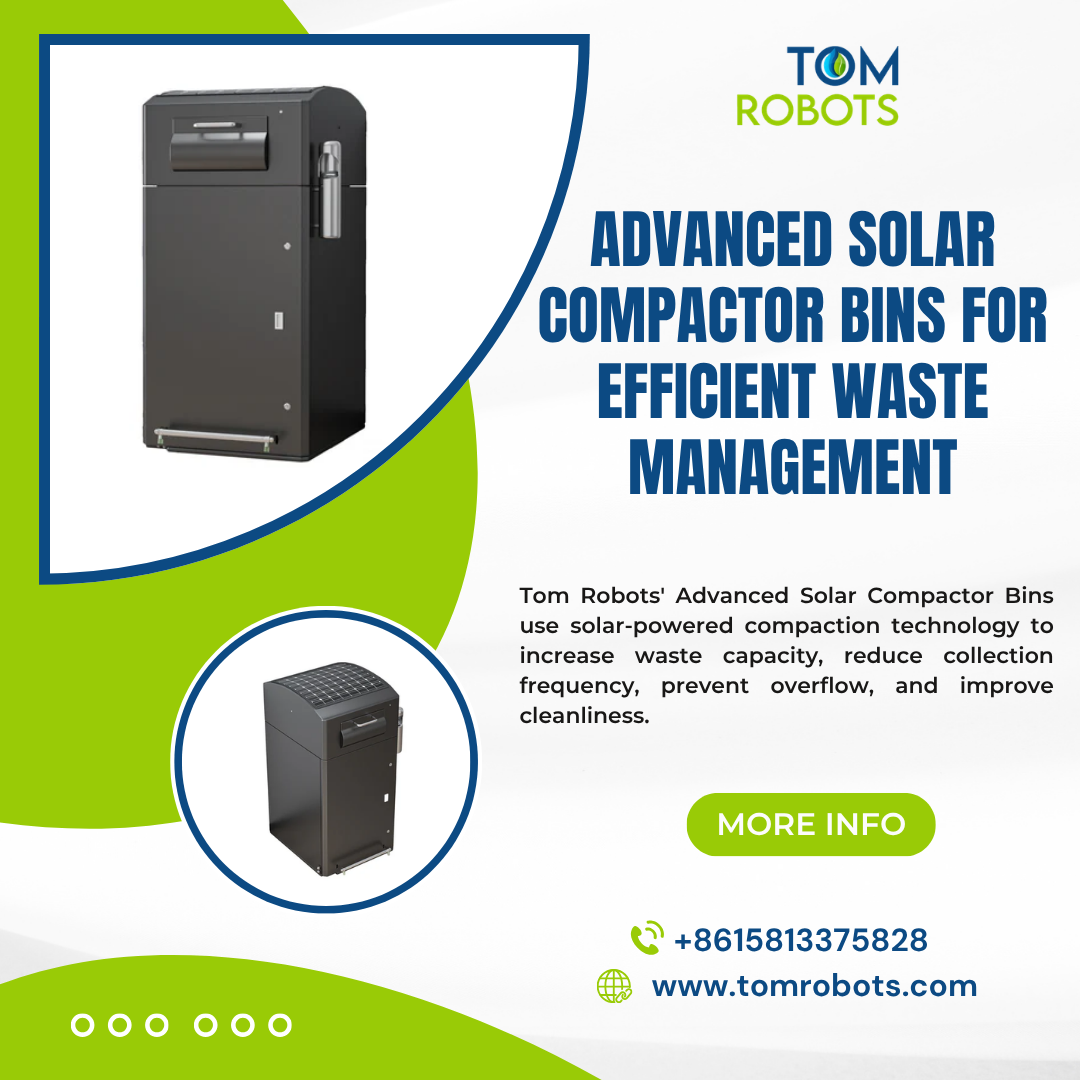
Bins overflow happens in every busy city, park, shopping street, and transit hub. A standard bin fills up in a couple of hours on a busy afternoon, and if the collection crew is not due until the next morning, the problem sits there — litter spreading, smells building, people walking past and dropping rubbish on the ground because the bin is already full. Fixed collection schedules were never built for that kind of variability, and the gap between when a bin needs emptying and when someone actually empties it is where most urban waste problems begin.
Solar-Powered Garbage Compactor close that gap in two ways. They hold significantly more waste than a standard bin, and they tell you when they need emptying rather than waiting for someone to notice.
The Problem With Standard Bins
A regular bin has no mechanism to increase its capacity and no way to communicate its status. It fills up, it overflows, and no one finds out until a member of the public complains or a crew member spots it on their rounds. In the meantime, the area around the bin deteriorates. Litter accumulates, pests arrive, and the bin itself becomes something people avoid rather than use, which makes the surrounding mess worse.
Collection routes built around fixed schedules make the problem harder to manage, not easier. Trucks cover the same stops at the same times regardless of what is actually needed. Some bins get emptied when they are barely a quarter full. Others overflow hours before the truck arrives. The resources being spent do not match the problem on the ground.
What Compaction Actually Does
The mechanism inside a Solar Compacting Bin presses waste down as material is deposited, reducing its volume continuously. By the time the bin signals that it is full, it has typically held five to eight times the volume that a standard bin of the same external size would have managed. That means fewer collections needed per location, per day, per week.
The solar panel on the unit powers that compaction mechanism without any connection to the electrical grid. That matters for where these bins can go. Parks, beachfronts, rural rest stops, pedestrian plazas, festival grounds — anywhere a standard bin could be placed, a Solar Bin can go too, without needing an electrician involved in the installation.
Knowing When to Collect
Fill-level sensors track how much space remains inside the bin and transmit that information in real time. Waste management teams see the status of every bin across a site or across an entire city from a single dashboard. They know which bins need attention now, which can wait until the afternoon, and which are barely used and can drop to a less frequent collection cycle.
Routes get built around that data. Trucks go where bins are full. They skip locations that do not need a visit. Over a week, that cuts the number of vehicle movements significantly — which reduces fuel costs, reduces wear on vehicles, and frees up crew time for locations that genuinely need it. For a city running dozens of collection vehicles daily, those reductions add up to meaningful budget savings. For a smaller operation like a university campus or stadium, it means a lean maintenance team is not wasting hours checking bins that do not need checking.
The Environmental Side
Fewer collection trips mean fewer diesel engines running through city streets. That is not a trivial point. Waste collection vehicles are among the heavier contributors to urban air pollution, and cutting unnecessary rounds reduces both emissions and traffic. In areas already dealing with congestion and air quality concerns, that reduction has value beyond the operational cost saving.
The bins themselves run on solar energy, which removes their power draw from the grid entirely. In locations where dozens of units are deployed, that is a measurable reduction in electricity consumption. For organizations with formal environmental reporting commitments, both figures — fewer vehicle trips, lower energy use — feed directly into measurable targets rather than general sustainability statements.
There is a behavioral dimension too. A clean, clearly functional bin gets used properly. A full, overflowing bin gets avoided. The litter that ends up on the ground instead of in a bin does not stay on the ground — it moves into drainage systems, waterways, green spaces, and eventually causes problems that are more expensive to address than better waste infrastructure would have been.
Why Organizations Are Paying the Premium
The upfront cost of a Solar Powered Bin is higher than a standard bin. That is the honest starting point. The question is what happens over three, five, or ten years of operation.
Fewer collections per bin means lower fuel and labor costs per bin over time. Maintenance teams are deployed more efficiently because they are responding to data rather than covering fixed routes. Public spaces stay cleaner, which reduces complaint handling and reactive cleaning. For commercial facilities, cleaner surroundings affect, how the site is perceived by visitors and tenants. For municipalities, visible improvements in cleanliness have political and reputational value alongside the operational ones.
The remote monitoring capability also changes how maintenance staff spend their time. Instead of physically walking a site to check bin levels, they can prioritize actual work. On a large campus or venue, that shift in how hours are spent is worth something concrete.
The Wider Direction
Cities are not getting smaller and the volume of waste urban populations generate is not decreasing. The collection models built decades ago for smaller, slower cities are being stretched past what they were designed to handle. Adding more trucks and more staff is one response. Building infrastructure that works harder and communicates better is another factor.
Solar compacting bins from Tom Robots address three specific, real problems at once — capacity, power independence, and collection intelligence — and they do it without requiring significant changes to how a city or facility operates. The truck still comes, the bin still gets emptied, the crew still does the job. The difference is that every part of that process happens when it is actually needed rather than on a schedule that was fixed before anyone knew what demand would look like.

 عربي
عربي