


 SPARK Website
How Digital Tools Are Making Custom Printing Easier Than Ever
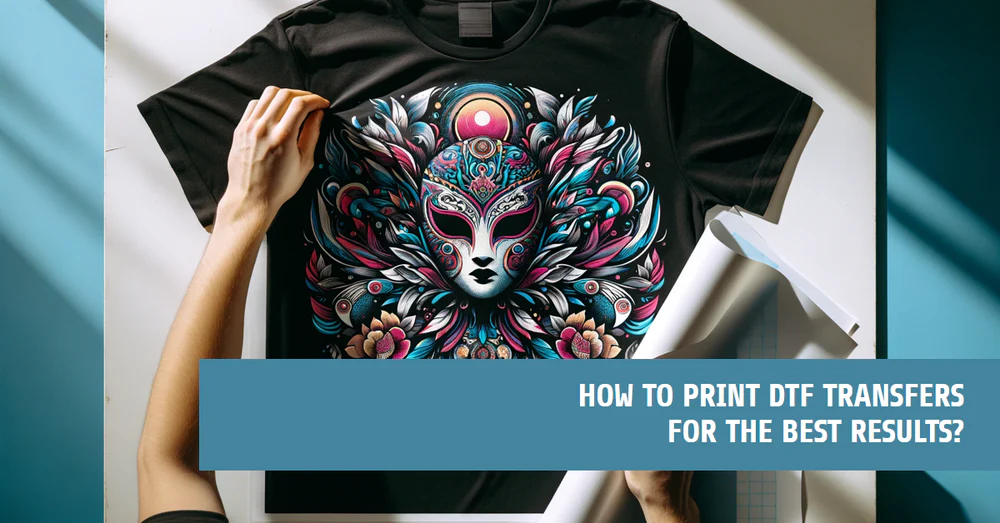
The custom printing industry has experienced remarkable growth over the last decade. Businesses, entrepreneurs, and creative individuals are increasingly relying on personalized products to attract customers and build stronger brand identities. As demand continues to rise, digital technology is transforming the way custom printing services operate. Modern tools have simplified design creation, order management, production processes, and customer interactions, making custom printing more accessible and efficient than ever before.
The Digital Transformation of Custom Printing
Digital technology has changed the printing industry from a labor-intensive process into a streamlined and highly automated operation. Businesses no longer need extensive technical knowledge or expensive equipment to create professional-quality products. Online design platforms, automated workflows, and cloud-based systems have enabled printing companies to handle projects faster while maintaining exceptional quality standards.
These advancements have opened new opportunities for startups and small businesses that previously struggled to compete with larger printing companies. By leveraging digital tools, businesses can reduce operational costs, improve productivity, and offer personalized experiences to customers.
Simplified Design Creation
One of the biggest advantages of digital tools is the ability to create designs quickly and efficiently. Modern graphic design software allows users to create professional artwork without requiring years of design experience. Many online printing platforms also provide built-in design editors that enable customers to upload images, add text, and customize products directly from their web browsers.
This accessibility has empowered entrepreneurs to launch custom product businesses with minimal investment. Instead of hiring professional designers for every project, businesses can create attractive designs in-house and respond more quickly to market trends.
Improved Production Efficiency
Digital tools have significantly improved production efficiency in the custom printing industry. Automated systems can process orders, prepare print files, and manage production schedules with minimal human intervention. This reduces errors and shortens turnaround times.
Advanced software also helps businesses monitor equipment performance and identify potential issues before they become major problems. As a result, production workflows become more reliable, helping companies meet customer expectations consistently.
Better Material Optimization with UV DTF Gang sheet builder
Efficiency is crucial in custom printing, especially when handling multiple designs in a single production run. Tools such as UV DTF Gang sheet builder help businesses maximize printing space by arranging multiple graphics on one sheet. This optimization reduces material waste, lowers production costs, and increases profitability.
By utilizing such digital solutions, printing businesses can complete large orders more efficiently while maintaining high-quality output. These tools have become essential for companies seeking to remain competitive in a rapidly evolving marketplace.
Enhanced Customer Experience
Modern customers expect convenience, speed, and personalization when purchasing products online. Digital tools have made it easier for printing businesses to meet these expectations through interactive design platforms and real-time previews.
Customers can now visualize their designs before placing orders, reducing uncertainty and increasing satisfaction. Automated notifications, order tracking systems, and online customer support further improve the overall experience. These features help businesses build trust and encourage repeat purchases.
Cloud-Based Collaboration
Cloud technology has revolutionized collaboration within the printing industry. Team members can access project files, design assets, and production information from any location with an internet connection. This flexibility is particularly valuable for businesses with remote employees or multiple production facilities.
Cloud-based systems also simplify communication between designers, production teams, and customers. Changes can be implemented instantly, reducing delays and ensuring projects move forward smoothly.
Data-Driven Decision Making
Digital tools provide valuable insights that help businesses make smarter decisions. Analytics platforms can track customer preferences, purchasing patterns, and product performance. By analyzing this data, businesses can identify trends and develop products that better meet market demand.
This information also helps companies optimize pricing strategies, improve marketing campaigns, and allocate resources more effectively. Data-driven decision making reduces uncertainty and supports long-term growth.
Automation and Artificial Intelligence
Automation continues to play a significant role in the evolution of custom printing. Artificial intelligence is increasingly being used to improve design recommendations, optimize production schedules, and enhance customer support.
AI-powered tools can suggest design improvements, identify printing issues, and even predict future demand based on historical data. These capabilities help businesses increase efficiency while delivering higher-quality products.
As AI technology continues to advance, its influence on the printing industry is expected to grow even further. Businesses that embrace these innovations will be better positioned to adapt to changing customer expectations and market conditions.
Expanding Product Opportunities
Digital tools have made it easier for businesses to expand their product offerings. Companies can now produce a wide variety of customized items, including apparel, accessories, promotional products, home décor, and packaging materials.
This flexibility allows businesses to diversify revenue streams and reach broader audiences. The ability to quickly test new product ideas also reduces risk and encourages innovation.
Sustainability Through Technology
Environmental responsibility is becoming increasingly important across all industries, including custom printing. Digital tools support sustainability efforts by reducing waste, improving resource management, and optimizing production processes.
Accurate design previews minimize printing mistakes, while automated workflows reduce unnecessary material consumption. Many businesses are also using technology to monitor energy usage and implement eco-friendly production practices.
These efforts not only benefit the environment but also enhance brand reputation among environmentally conscious consumers.
Future Innovations in Custom Printing
The future of custom printing will likely be driven by continued technological advancements. Augmented reality, artificial intelligence, and advanced automation systems are expected to become even more integrated into printing operations.
Customers may soon be able to use augmented reality to preview products in real-world environments before purchasing. Meanwhile, AI-driven personalization will enable businesses to create highly customized experiences tailored to individual preferences.
As technology evolves, digital tools will continue to simplify operations, improve quality, and create new opportunities for growth within the custom printing industry.
Conclusion
Digital tools are transforming every aspect of custom printing, from design creation and production management to customer engagement and sustainability. Businesses that embrace these technologies can improve efficiency, reduce costs, and deliver better experiences to their customers. As innovation continues to accelerate, digital solutions will remain a driving force behind the future success of the custom printing industry.
The growing popularity of uv dtf stickers further demonstrates how modern printing technologies are expanding customization possibilities and creating new opportunities for businesses in the digital marketplace.

 عربي
عربي