


 SPARK Website
Thousand Oaks Sleep Apnea: Signs, Risks, and Treatment Options for Better Sleep
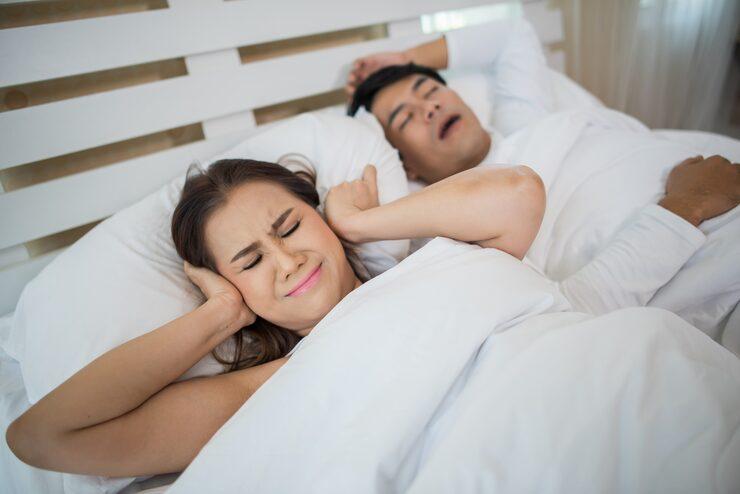
Sleep plays a vital role in maintaining overall health, yet many people struggle with interrupted breathing during the night without realizing it. Thousand Oaks sleep apnea is a common condition that can affect sleep quality, energy levels, and long-term wellness. When left untreated, sleep apnea may contribute to serious health concerns, making early diagnosis and treatment important.
What Is Sleep Apnea?
Sleep apnea is a sleep-related breathing disorder characterized by repeated pauses in breathing while sleeping. These interruptions reduce oxygen levels in the body and can occur multiple times throughout the night. The most common type is obstructive sleep apnea (OSA), which happens when the airway becomes partially or completely blocked during sleep.
Many individuals are unaware they have sleep apnea because the symptoms occur while they are asleep. Family members or partners often notice loud snoring, gasping, or choking sounds during the night.
Common Symptoms of Thousand Oaks Sleep Apnea
Recognizing the warning signs can help patients seek treatment before complications develop. Common symptoms include:
-
Loud and persistent snoring
-
Pauses in breathing during sleep
-
Gasping or choking sensations at night
-
Morning headaches
-
Dry mouth upon waking
-
Excessive daytime fatigue
-
Difficulty concentrating
-
Irritability and mood changes
Many people experiencing Thousand Oaks sleep apnea assume they are simply not getting enough rest. However, disrupted breathing prevents the body from reaching restorative stages of sleep.
Risk Factors Associated with Sleep Apnea
Sleep apnea can affect adults and children alike. Certain factors may increase the likelihood of developing the condition, including:
Excess Weight
Extra tissue around the neck and throat can contribute to airway obstruction during sleep.
Family History
Individuals with relatives who have sleep apnea may face a higher risk of developing the disorder.
Smoking
Smoking can increase inflammation in the airway, making breathing difficulties more likely.
Airway Structure
A naturally narrow airway, enlarged tonsils, or jaw alignment issues may increase the chance of airway blockage during sleep.
Why Sleep Apnea Should Not Be Ignored
Sleep apnea is more than a snoring problem. Repeated oxygen deprivation places stress on the body and may contribute to several health concerns.
Research has linked untreated sleep apnea to:
-
High blood pressure
-
Heart disease
-
Stroke
-
Daytime drowsiness
-
Reduced productivity
-
Memory and concentration problems
In severe cases, untreated sleep apnea can significantly impact quality of life and overall health outcomes.
How Sleep Apnea Is Diagnosed
Diagnosis typically begins with a comprehensive evaluation of symptoms and medical history. A physician may recommend a sleep study conducted in a sleep center or through a home sleep testing device. These studies monitor breathing patterns, oxygen levels, and sleep interruptions.
Dental professionals can also identify oral and airway characteristics that may indicate a higher risk of sleep apnea. During routine examinations, dentists often assess factors such as jaw position, tongue posture, and airway space.
Treatment Options for Thousand Oaks Sleep Apnea
Several treatment approaches are available depending on the severity of the condition and individual patient needs.
CPAP Therapy
Continuous Positive Airway Pressure (CPAP) therapy remains a commonly prescribed treatment. The device delivers pressurized air through a mask to keep the airway open during sleep. While effective, some patients find CPAP difficult to tolerate.
Oral Appliance Therapy
Custom oral appliances are designed to reposition the jaw and help maintain an open airway throughout the night. These appliances are often recommended for patients with mild to moderate obstructive sleep apnea and for those who struggle with CPAP therapy.
Lifestyle Changes
Simple lifestyle modifications may improve symptoms, including:
-
Maintaining a healthy weight
-
Avoiding tobacco products
-
Limiting alcohol consumption before bedtime
-
Sleeping on your side instead of your back
Surgical Treatment
In certain situations, surgery may be recommended to address structural airway concerns and improve breathing during sleep. Treatment recommendations vary depending on the patient's condition and overall health.
Sleep Apnea Care at Beach Cities Dental Group
At Beach Cities Dental Group, patient health extends beyond routine dental care. The practice focuses on identifying underlying issues that may affect overall wellness, including sleep-related breathing disorders. Comprehensive evaluations help determine whether airway concerns may be contributing to sleep apnea symptoms. The team provides personalized treatment recommendations designed to support healthier breathing and more restful sleep.
Conclusion
Living with untreated sleep apnea can affect energy levels, concentration, and long-term health. If you experience loud snoring, daytime fatigue, or interrupted sleep, seeking professional evaluation is an important step. Effective treatment options are available for Thousand Oaks sleep apnea, helping patients enjoy improved sleep quality and better overall well-being.
For individuals seeking professional guidance and personalized care, Beach Cities Dental Group offers comprehensive evaluations and treatment solutions tailored to each patient's needs. Better sleep can lead to a healthier, more productive life.

 عربي
عربي