


 SPARK Website
Customer Relationship Management Strategies That Enhance Customer Engagement
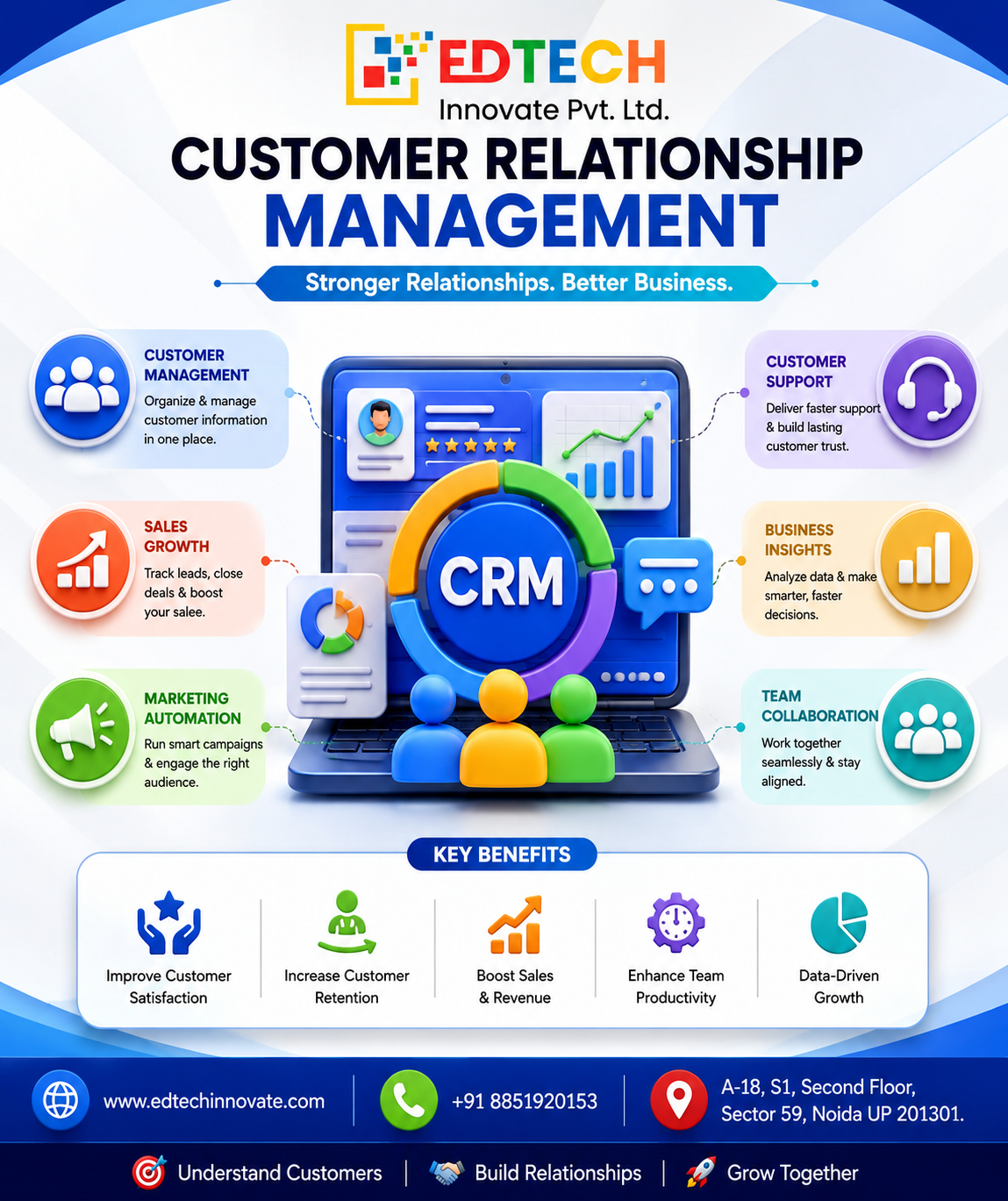
In today's competitive education technology landscape, building strong relationships with learners, parents, institutions, and stakeholders is essential for long-term success. Effective Customer Relationship Management helps educational organizations create personalized experiences, improve communication, and increase customer satisfaction. Whether you are managing student inquiries, nurturing prospective learners, or maintaining relationships with existing customers, a strategic approach to Customer Relationship Management can significantly enhance engagement and retention.
With the growing adoption of digital solutions, educational institutions and EdTech companies are increasingly relying on advanced CRM systems to streamline interactions and deliver exceptional customer experiences. Understanding the right strategies can help organizations maximize the value of their CRM investments while fostering meaningful connections with their audience.
Why Customer Relationship Management Matters in Education
The education sector has evolved beyond traditional communication methods. Students and parents now expect personalized interactions, timely responses, and seamless support throughout their learning journey. This is where Customer Relationship Management plays a critical role.
A well-implemented CRM system enables organizations to:
-
Centralize customer and student data
-
Track interactions across multiple channels
-
Automate communication workflows
-
Improve customer support efficiency
-
Enhance student enrollment and retention rates
-
Deliver personalized learning experiences
By leveraging Customer Relationship Management, educational institutions can better understand their audience's needs and create engagement strategies that drive satisfaction and loyalty.
Key Customer Relationship Management Strategies for Better Engagement
1. Personalize Every Customer Interaction
Personalization has become one of the most effective ways to improve engagement. Modern CRM platforms collect valuable customer data, allowing organizations to tailor communications based on individual preferences, behaviors, and interests.
Using Customer Relationship Management, educational organizations can:
-
Send personalized course recommendations
-
Deliver targeted email campaigns
-
Provide customized learning resources
-
Follow up with prospects based on their interests
When customers feel understood and valued, they are more likely to engage with your institution and remain loyal over time.
2. Leverage Automation for Timely Communication
One of the biggest advantages of Customer Relationship Management systems is automation. Automated workflows help ensure that no inquiry goes unanswered and no lead is neglected.
Examples of automation include:
-
Enrollment follow-up emails
-
Course reminder notifications
-
Student onboarding sequences
-
Feedback collection campaigns
-
Event registration confirmations
Many organizations searching for the Best CRM software prioritize automation features because they reduce manual effort while improving response times and customer satisfaction.
3. Centralize Customer Data for Better Decision-Making
Fragmented data often leads to inconsistent customer experiences. A comprehensive Customer Relationship Management strategy involves creating a centralized database where all customer information is stored and easily accessible.
Benefits of centralized data include:
-
Improved customer support
-
Accurate reporting and analytics
-
Better collaboration between teams
-
Enhanced customer journey tracking
Educational institutions that invest in customer relationship management education practices often experience better operational efficiency and stronger engagement outcomes.
Read More - Top Benefits of Customer Relationship Management Education for Colleges
Essential CRM Software Features That Support Engagement
Choosing the right CRM platform is crucial for implementing successful engagement strategies. Organizations should evaluate various CRM software features before making a decision.
Some important features include:
Contact Management
Stores and organizes customer information in a centralized location, making it easier to access relevant details during interactions.
Communication Tracking
Tracks emails, calls, chats, and other interactions to provide a complete customer history.
Marketing Automation
Automates campaigns and nurtures leads through personalized communication workflows.
Analytics and Reporting
Provides actionable insights into customer behavior, campaign performance, and engagement metrics.
Lead Management
Helps organizations track prospective students and guide them through the enrollment process.
These CRM software features enable educational institutions to create more meaningful customer experiences while improving internal efficiency.
Customer Relationship Management for Small Educational Organizations
Many smaller institutions assume CRM solutions are only suitable for large enterprises. However, modern CRM for small business solutions offer affordable and scalable options designed specifically for growing organizations.
A quality CRM for small business can help educational startups and training centers:
-
Manage inquiries efficiently
-
Automate follow-ups
-
Improve student conversion rates
-
Track customer engagement
-
Build long-term relationships
By implementing Customer Relationship Management early, smaller organizations can establish strong operational foundations and compete effectively in the education market.
The Growing Role of CRM Education Software
As digital learning continues to expand, specialized crm education software has emerged to address the unique needs of educational institutions.
Unlike generic CRM platforms, crm education software often includes:
-
Student lifecycle management
-
Admission tracking
-
Course enrollment monitoring
-
Parent communication tools
-
Academic performance insights
These education-focused capabilities allow institutions to deliver more personalized support and improve overall engagement.
Furthermore, organizations that prioritize customer relationship management education initiatives can train staff to maximize CRM usage and improve customer interactions across every touchpoint.
Measuring Customer Engagement Success
Implementing Customer Relationship Management strategies is only the first step. Organizations must also measure performance to ensure continuous improvement.
Key metrics to monitor include:
-
Student retention rates
-
Customer satisfaction scores
-
Lead conversion rates
-
Response times
-
Email engagement rates
-
Enrollment growth
-
Customer lifetime value
Regular analysis helps identify strengths, uncover opportunities, and refine engagement strategies for better results.
Explore More - How Do Learning Management Systems Impact Learning And Training In The Education Sector?
Building Long-Term Relationships Through Customer Relationship Management
Successful engagement goes beyond attracting new customers. The ultimate goal of Customer Relationship Management is to build lasting relationships that create value for both the organization and its customers.
Best practices include:
-
Maintaining consistent communication
-
Providing proactive support
-
Gathering and acting on feedback
-
Offering personalized experiences
-
Continuously improving service quality
Organizations that embrace these principles can strengthen customer trust and increase loyalty over time.
Conclusion
As customer expectations continue to evolve, educational institutions must adopt smarter strategies to stay competitive. Effective Customer Relationship Management empowers organizations to personalize interactions, automate communication, centralize data, and improve overall engagement. From implementing advanced CRM software features to utilizing specialized crm education software, the right CRM strategy can transform how institutions connect with learners and stakeholders.
At EdTech Innovate, we understand the importance of innovative Customer Relationship Management solutions in modern education. By leveraging technology-driven CRM strategies, educational organizations can enhance engagement, improve retention, and build lasting relationships that support sustainable growth.
FAQs
What is Customer Relationship Management in education?
Customer Relationship Management in education refers to the use of CRM systems and strategies to manage interactions with students, parents, prospects, and stakeholders throughout the educational journey.
Why is Customer Relationship Management important for educational institutions?
It helps improve communication, personalize experiences, increase student retention, streamline operations, and enhance customer satisfaction.
What are the most important CRM software features for education?
Key CRM software features include contact management, communication tracking, marketing automation, analytics, reporting, and lead management.
Is CRM for small business suitable for educational startups?
Yes. Modern CRM for small business solutions are affordable, scalable, and ideal for educational startups, training centers, and growing institutions.
How does crm education software differ from traditional CRM systems?
crm education software includes education-specific functionalities such as student lifecycle management, admissions tracking, course enrollment monitoring, and parent communication tools.
What is the Best CRM software for educational organizations?
The Best CRM software depends on an institution's size, goals, budget, and operational requirements. Organizations should evaluate features, scalability, automation capabilities, and education-focused functionality before making a decision.

 عربي
عربي