


 SPARK Website
Real Estate Tokenization May Not Replace Traditional Real Estate—Here’s Why
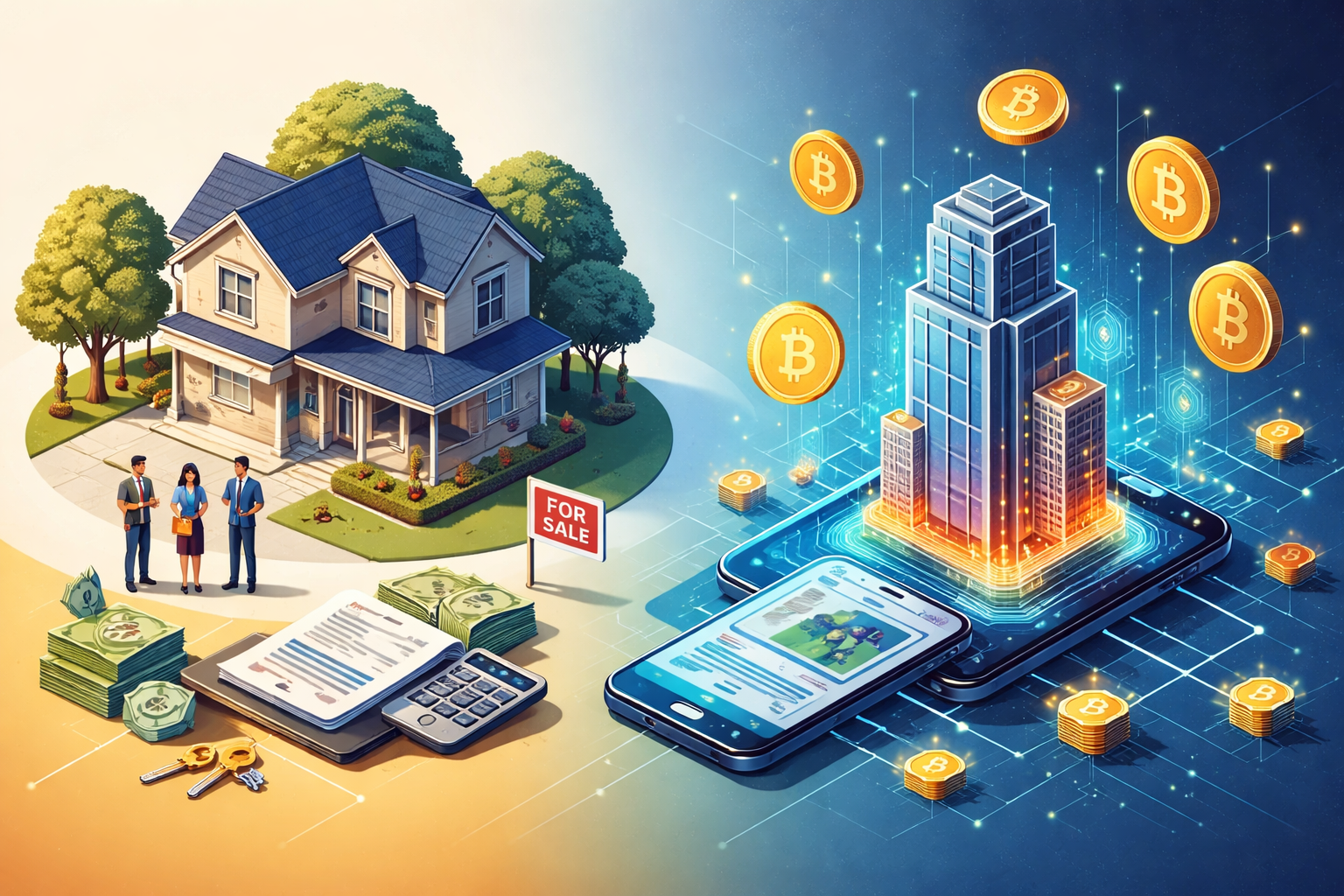
Real estate has always adapted to economic shifts, technological changes, and evolving investor expectations. The introduction of blockchain into property markets has brought forward a new model known as Real Estate Tokenization. This approach allows ownership of physical assets to be divided into digital units and traded more easily across borders. It has attracted attention from startups, investors, and institutions that are looking for alternative ways to access property markets.
Yet, despite the growing interest, there is a noticeable gap between expectations and reality. Many discussions position tokenization as a complete replacement for traditional real estate systems. However, this view overlooks structural, legal, and behavioral aspects that have defined property markets for decades. Real estate is not just a financial asset. It involves land rights, legal frameworks, cultural practices, and long-term trust.
This article examines why Real Estate Tokenization may not replace traditional real estate, even as adoption increases. It highlights the limitations, practical challenges, and coexistence of both systems.
Understanding Real Estate Tokenization Beyond the Hype
Before analyzing its limitations, it is important to understand what Real Estate Tokenization actually involves. At a basic level, it converts ownership rights in a property into digital tokens recorded on a blockchain. These tokens represent fractional ownership, allowing multiple investors to hold shares in a single asset.
A Real Estate Tokenization company typically manages the process of digitizing property ownership, structuring compliance, and issuing tokens. These firms also provide Real Estate Tokenization Services such as legal structuring, smart contract deployment, and investor onboarding.
Real estate tokenization development includes multiple steps such as asset selection, valuation, legal structuring, token creation, and platform integration. A Real Estate Tokenization Development company often builds the infrastructure needed for trading, compliance tracking, and investor management. These Real Estate Tokenization Development Services aim to simplify access to real estate investments.
However, despite this structured approach, tokenization still operates within the broader ecosystem of traditional real estate laws and systems.
The Legal Framework Still Dominates Property Ownership
One of the primary reasons Real Estate Tokenization cannot fully replace traditional real estate lies in legal ownership structures. Property rights are governed by local laws, land registries, and regulatory bodies. These systems are deeply rooted and vary widely across countries.
Even when real estate asset tokenization is implemented, the underlying ownership still depends on legal documentation recorded in government registries. Tokens may represent shares in a company or trust that owns the property, but they do not replace the legal title itself.
This creates a dependency where tokenized assets must align with existing property laws. Any dispute related to ownership, tenancy, or land use is resolved through traditional legal systems, not blockchain records. This reliance limits the ability of tokenization to function as a standalone replacement.
Regulatory Uncertainty Slows Adoption
Another major factor is regulatory uncertainty. Governments around the world are still evaluating how to classify tokenized real estate assets. In some regions, they are treated as securities, while in others they fall under different financial regulations.
A Real Estate Tokenization Platform Development initiative must comply with these regulations, which often include investor verification, reporting requirements, and restrictions on trading. These compliance requirements add complexity and limit the open accessibility that tokenization promises.
Traditional real estate markets, on the other hand, operate within well-defined legal frameworks. Buyers and sellers understand the processes, documentation, and risks involved. This familiarity gives traditional systems an advantage over emerging tokenized models.
Liquidity Is Not Guaranteed
One of the most common claims about Real Estate Tokenization is improved liquidity. While tokenization allows fractional ownership and digital trading, actual liquidity depends on market participation.
A tokenized property can only be traded if there are active buyers and sellers. In many cases, tokenized real estate markets are still in early stages, with limited trading volumes. This results in situations where investors hold tokens but cannot easily sell them.
Traditional real estate markets also face liquidity challenges, but they are supported by established networks of brokers, lenders, and institutional investors. These networks create more predictable transaction flows.
Without consistent demand and active marketplaces, tokenization cannot fully address liquidity issues.
Investor Behavior Still Favors Tangible Assets
Real estate has always been associated with physical ownership. Many investors prefer assets they can see, visit, and manage directly. This psychological aspect plays a significant role in investment decisions.
Tokenized ownership introduces a level of abstraction. Investors hold digital tokens rather than direct property titles. While this model appeals to tech-savvy investors, it may not attract those who value traditional ownership structures.
A Real Estate Tokenization company may offer user-friendly platforms, but changing long-standing investor preferences takes time. Trust in physical assets remains a defining factor in real estate markets.
Property Management Remains Physical
Even when ownership is digitized, the management of real estate remains a physical process. Properties require maintenance, tenant management, repairs, and compliance with local regulations.
Real Estate Tokenization Services do not eliminate these responsibilities. Instead, they shift ownership structures while leaving operational tasks unchanged. Property managers, maintenance teams, and local authorities continue to play a central role.
This means tokenization does not replace the operational side of real estate. It only changes how ownership is distributed and traded.
High Entry Barriers for Development
Real estate tokenization development involves technical expertise, legal structuring, and platform integration. Building a secure and compliant system requires significant investment.
A Real Estate Tokenization Development company must handle smart contracts, cybersecurity measures, and regulatory compliance. These requirements create high entry barriers for new players.
Traditional real estate, despite its complexities, does not require such technical infrastructure. Transactions can be completed through established legal and financial channels without relying on blockchain systems.
This difference limits the widespread adoption of tokenization.
Fragmented Market Infrastructure
The tokenized real estate market is currently fragmented. Different platforms operate with varying standards, technologies, and compliance frameworks. This lack of uniformity creates challenges for investors and developers.
Real Estate Tokenization Platform Development efforts often focus on specific regions or asset types. As a result, there is limited interoperability between platforms. Investors cannot easily transfer assets or access multiple markets through a single interface.
Traditional real estate markets, while complex, have more standardized processes. Buyers, sellers, and intermediaries operate within familiar frameworks that facilitate transactions.
Limited Institutional Participation
Institutional investors play a significant role in traditional real estate markets. They bring large capital, long-term strategies, and market stability.
While some institutions are exploring real estate asset tokenization, widespread participation is still limited. Concerns about regulation, market maturity, and risk management slow down institutional adoption.
Without strong institutional involvement, tokenized real estate markets may struggle to achieve the scale needed to replace traditional systems.
Valuation Challenges Persist
Property valuation is a critical aspect of real estate transactions. It depends on location, market conditions, infrastructure, and future development prospects.
Tokenization does not simplify this process. Valuation still requires professional assessments and market analysis. Discrepancies in valuation can affect token pricing and investor confidence.
Traditional real estate markets rely on established appraisal methods and industry standards. These practices provide a level of consistency that tokenized markets are still developing.
Security and Trust Concerns
Blockchain technology is often associated with security, but it does not eliminate all risks. Smart contract vulnerabilities, platform failures, and cyber threats remain concerns.
A Real Estate Tokenization company must invest in robust security measures to protect investor assets. Despite these efforts, incidents in the broader crypto space have affected investor confidence.
Traditional real estate transactions involve legal contracts, escrow services, and regulated financial institutions. These mechanisms provide a sense of security that many investors trust.
Cultural and Regional Differences
Real estate markets are deeply influenced by cultural and regional factors. Ownership practices, inheritance laws, and investment preferences vary widely across countries.
Real Estate Tokenization Services must adapt to these differences, which adds complexity to global adoption. A model that works in one region may not be suitable for another.
Traditional real estate systems are already aligned with local practices, making them more adaptable to regional variations.
The Role of Intermediaries Remains Relevant
Tokenization aims to reduce the role of intermediaries, but it does not eliminate them entirely. Legal advisors, compliance officers, and property managers are still required.
A Real Estate Tokenization Development company may reduce certain layers of intermediation, but new roles emerge in areas such as blockchain management and digital compliance.
Traditional real estate intermediaries provide services that are difficult to replace, including negotiation, local expertise, and relationship management.
Market Education Is Still in Progress
For tokenization to gain widespread acceptance, market participants need to understand how it works. This includes investors, property owners, regulators, and financial institutions.
Real estate tokenization development efforts often include educational initiatives, but awareness is still limited. Misconceptions about risks, returns, and ownership structures can hinder adoption.
Traditional real estate benefits from decades of market familiarity. People understand how to buy, sell, and manage property, which reduces uncertainty.
Coexistence Rather Than Replacement
Instead of replacing traditional real estate, tokenization is more likely to coexist with existing systems. Each model offers distinct advantages and serves different types of investors.
Real Estate Tokenization provides access to fractional ownership, cross-border investments, and digital trading. Traditional real estate offers stability, legal clarity, and direct ownership.
A Real Estate Tokenization Platform Development strategy can complement traditional markets by introducing new investment options without disrupting existing structures.
Use Cases Where Tokenization Adds Value
While it may not replace traditional real estate, tokenization has specific use cases where it adds value. These include:
Fractional ownership of high-value properties that are otherwise inaccessible to small investors.
Cross-border investments that reduce geographical barriers.
Portfolio diversification through smaller investment units.
Faster transaction processes in certain scenarios.
These use cases highlight the role of tokenization as an additional layer rather than a replacement.
The Future Outlook
As technology evolves and regulations become clearer, Real Estate Tokenization will continue to grow. More Real Estate Tokenization companies will enter the market, offering specialized services and platforms.
However, traditional real estate systems are also evolving. Digital documentation, online marketplaces, and data-driven insights are improving efficiency within existing frameworks.
The future is likely to involve a hybrid approach where tokenized assets coexist with traditional ownership models. Investors will have the flexibility to choose based on their preferences and risk tolerance.
Conclusion: A Parallel Path Forward
Real Estate Tokenization introduces new possibilities in property investment, but it does not eliminate the need for traditional real estate systems. Legal frameworks, investor behavior, market structure, and operational realities all contribute to the continued relevance of conventional models.
A Real Estate Tokenization Development company can build platforms that expand access and improve certain aspects of investment, but these platforms operate within the boundaries of existing systems. Real Estate Tokenization Services add value in specific areas, yet they do not replace the fundamental nature of property ownership.
Rather than viewing tokenization as a replacement, it is more accurate to see it as an additional pathway within the broader real estate ecosystem. Both systems will continue to evolve, interact, and serve different needs in the years ahead.

 عربي
عربي