


 SPARK Website
Data Reduction Strategies: How RS485 IoT Gateways Optimize Cellular Bandwidth Costs
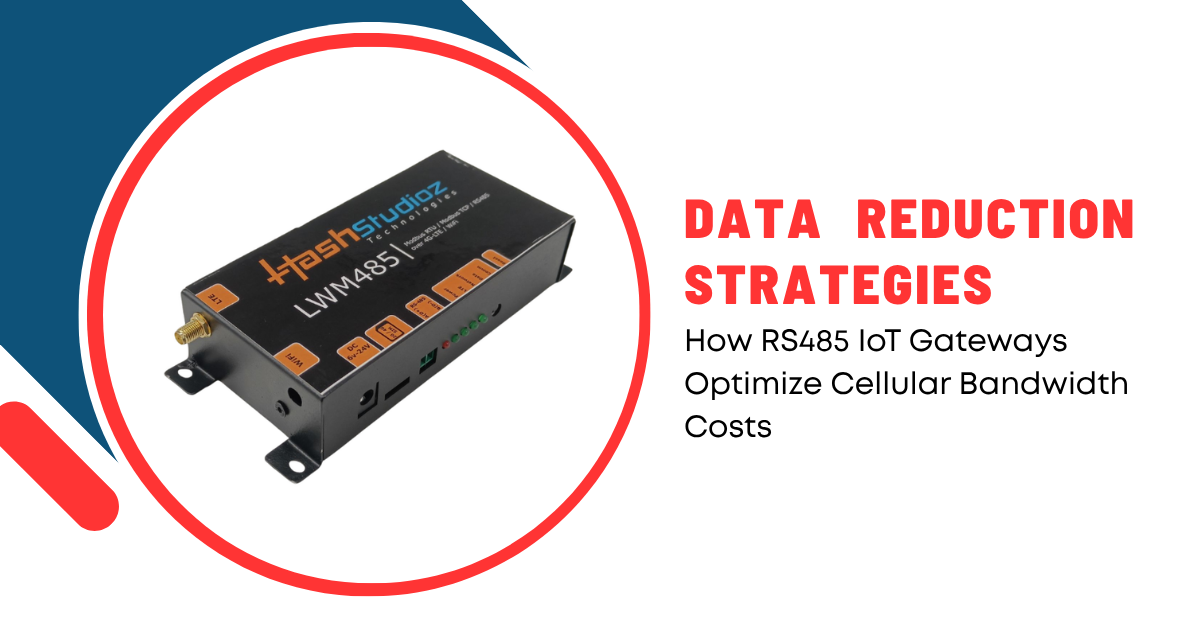
Industrial operations rely heavily on real-time data monitoring to maintain efficiency and safety. Millions of legacy field instruments connect via the serial RS485 standard across global plants. These legacy instruments track critical infrastructure metrics such as flow rates, pressure levels, and electrical consumption. Moving this field data to central cloud storage requires reliable cellular networks. However, unmanaged raw transmission over 4G or 5G networks increases cellular data usage rapidly, leading to high operational expenses.
The implementation of an intelligent RS485 IoT Gateway solves this economic problem directly. This specialized hardware processes incoming serial data locally at the network edge rather than acting as a simple passive pass-through conduit. By deploying edge computing capabilities, this modern IoT Gateway minimizes monthly cellular bills through smart data reduction strategies. This technical article analyzes how edge-based data reduction transforms industrial telemetry networks into highly cost-effective operations.
The Challenge of Unfiltered Industrial Data Transmission
The RS485 IoT Gateway physical layer supports the Modbus RTU protocol in harsh industrial environments. Field devices like digital energy meters, environmental sensors, and flow meters use this serial standard. These instruments generate constant time-series data strings during routine operations. A typical industrial setup pools dozens of these physical devices on one single serial bus cable. A master unit polls specific register addresses every few seconds to gather telemetry. This continuous polling cycle creates a high volume of raw binary code that requires transmission.
1. High Costs of Raw Telemetry
Raw telemetry includes repeated values, static status frames, and redundant register information. Sending all raw packets directly to cellular networks wastes expensive bandwidth. A single Modbus register polled every ten seconds generates substantial data over a month. Without optimization, one field device uses up to 200 megabytes of data per month.
Scale this unoptimized setup across 500 remote field sites. The total data volume reaches 100 gigabytes monthly. High monthly subscription fees result from this large data volume. Emergency overage fees can also break operational budgets when unexpected network traffic spikes occur.
2. Cellular Network Constraints
Remote regions often have unstable or congested cellular networks. High network congestion causes packet loss during heavy transmissions, forcing frequent packet retransmissions. Large data packets increase total transmission time over the air. This longer transmission time raises power consumption on battery or solar power setups.
Therefore, local filtering at the device level is necessary. Efficient processing must happen before data reaches the internal cellular module. Reducing the data payload minimizes transmission time, protects power reserves, and lowers recurring connectivity expenses.
Core Data Reduction Strategies at the Edge
A modern serial processor uses edge computing to reduce network traffic. The device changes from a transparent pass-through unit into an intelligent processor. It analyzes incoming serial traffic in real time and discards redundant bytes before network transmission.
1. Deadband Filtering and Delta Transmission
Deadband filtering reduces unnecessary data transmission by ignoring minor sensor fluctuations that fall within predefined thresholds. Delta transmission further optimizes communication by sending updates only when values change significantly from previously transmitted data. Together, these techniques conserve bandwidth, reduce energy consumption, and improve telemetry system efficiency.
2. Local Data Aggregation and Summarization
Local data aggregation minimizes network traffic by processing high-frequency sensor readings at the edge. Instead of transmitting every measurement, the system calculates statistical summaries such as averages, minimums, maximums, and sample counts over defined intervals. This approach preserves valuable insights while significantly reducing data volume and transmission costs.
3. Smart Protocol Conversion
Smart protocol conversion transforms legacy industrial protocols into efficient, cloud-friendly communication formats. Devices convert Modbus RTU data into lightweight MQTT messages, reducing protocol overhead and improving transmission efficiency. This enables better utilization of cellular networks, lower bandwidth consumption, and seamless integration with modern IoT platforms.
4. Edge-Based Anomaly Detection
Edge-based anomaly detection continuously analyzes sensor data locally to identify abnormal conditions. During normal operation, the system sends only periodic status updates. When thresholds are exceeded, it immediately triggers high-frequency reporting and alerts. This approach balances low data usage with rapid response to critical operational events.
Industrial Architecture and Data Flows
Implementing these strategies changes how data flows from the factory floor to the cloud. In an unoptimized architecture, data flows continuously, creating an expensive network bottleneck. In an optimized architecture, the data undergoes a multi-stage reduction process within the hardware.
First, the serial interface receives raw binary frames from the RS485 bus line. Second, the local processor decodes these frames and applies deadband logic. Third, the compression engine converts the remaining values into structured JSON format. Finally, the cellular modem transmits the compact payload over the network. This architecture ensures that only high-value operational data consumes cellular bandwidth.
Real-World Case Studies: Impact on Bandwidth and Costs
1. Solar Power Plant Telemetry Optimization
A remote solar field monitors 30 string inverters spread across a large geographic area. The initial system configuration polled every inverter for voltage and wattage metrics every five seconds. Continuous transmission consumed roughly 450 megabytes per site each month. High data volumes created expensive cellular bills across multiple sites, threatening project profitability.
Engineers then enabled deadband filtering and local data aggregation on the serial processor. The device calculated five-minute averages for stable daytime power metrics. It dropped duplicate zero values entirely during nighttime hours when the solar panels were inactive.
These changes reduced monthly data usage to 45 megabytes per site. This represents a 90% drop in total data volume. The operating company saved thousands of dollars in monthly cellular subscription costs while retaining full visibility into plant performance metrics.
2. Water Distribution Pipeline Monitoring
A water utility company monitors flow meters across regional distribution pipelines. The flow meters use serial ports to report flow rates and pressure levels to a central monitoring office. The remote locations rely entirely on cellular connectivity for data transmission.
The company installed an intelligent processor at each monitoring station. The device evaluates flow rates locally against a historical baseline. The system uses delta transmission to manage stable flow rates without sending redundant data over the cellular network. It transmits updates only when flow rates change by more than 2%.
Data consumption dropped from 300 megabytes per month to 35 megabytes per month. The utility company avoided expensive network upgrades and data overage penalties by reducing daily data traffic.
Secondary Technical Advantages of Local Processing
Data reduction strategies provide benefits beyond lower cellular bills. They improve the overall reliability, security, and lifespan of industrial automation hardware.
1. Network Outage Protection
Local data reduction requires internal storage capacity. Industrial serial processors include built-in flash memory or SD card slots for data logging. If the cellular network fails due to weather or tower maintenance, the device stores the compressed data locally. This architecture prevents data loss during extended network dropouts.
Once the connection stabilizes, the device flushes the logged data to the cloud broker. Local data reduction minimizes the storage footprint during these outages, allowing the device to store weeks of data internally without running out of memory.
2. Lower Cloud Storage and Ingestion Costs
Cloud service providers bill customers based on incoming data volume and total input-output requests. Sending unfiltered data streams increases cloud infrastructure costs rapidly. Using a local device to filter data lowers cloud ingestion expenses significantly. This setup reduces processing loads on cloud databases, serverless functions, and telemetry systems, lowering the total cost of ownership for the software platform.
3. Improved Security Profile
Transmitting less data reduces the overall attack surface of the industrial network. Small, infrequent data bursts are harder to intercept and analyze than constant streams of unencrypted raw telemetry. Furthermore, converting Modbus RTU into MQTT allows the system to use advanced encryption standards like TLS 1.3 without exhausting cellular bandwidth.
Key Hardware Features for Selection
Choosing the right hardware requires matching specific technical parameters to industrial field conditions. Not all serial devices possess the processing power required to execute advanced data reduction algorithms.
1. Edge Computing and Scripting Power
Basic protocol converters cannot execute complex data reduction strategies. Look for devices equipped with programmable microcontrollers or microprocessor cores. Hardware supporting Linux operating systems, Python scripting, or Node-RED allows for custom data reduction rules. These tools help engineers match the filtering logic to specific industrial use cases and custom sensor types.
2. Flexible Cloud Protocol Options
The hardware must support secure, lightweight industrial communication protocols natively. Look for integrated clients that support MQTT over TLS, HTTPS REST APIs, and Lightweight M2M protocols. Native integration with major cloud platforms simplifies configuration and ensures secure data routing without adding unnecessary protocol overhead to the cellular link.
3. Industrial-Grade Hardware Design
Field equipment must withstand harsh industrial environments, including voltage spikes and extreme weather. Select hardware housed in a rugged metal enclosure with an IP30 rating or higher for protection. The internal circuitry requires wide voltage input support, typically from 9V to 36V DC, to handle fluctuating power supplies.
The device also needs galvanic isolation protection on the serial interfaces to prevent ground loops from damaging the internal components. Hardware should operate reliably across a wide temperature range, typically rated from -35°C to +75°C, to handle unconditioned field enclosures.
Conclusion
Managing cellular bandwidth costs is essential for scaling modern industrial internet of things projects successfully. Raw, unoptimized data transmission from legacy serial devices can cause high operational expenses that threaten project viability. Deploying an intelligent RS485 IoT Gateway provides the edge processing capabilities required to solve this financial challenge. Proven optimization strategies like deadband filtering, delta transmission, local data aggregation, and smart protocol conversion reduce daily network traffic significantly.
These local optimization methods cut monthly cellular data usage by up to 90% in typical field deployments. Implementing an advanced IoT Gateway lowers recurring cellular bills, reduces cloud ingestion costs, and improves overall system reliability during network outages. Investing in intelligent edge hardware helps industrial companies build cost-effective, scalable monitoring networks that deliver maximum operational value at the lowest possible cost.

 عربي
عربي