


 SPARK Website
Psychological Benefits of Rhinoplasty in Islamabad for Confidence
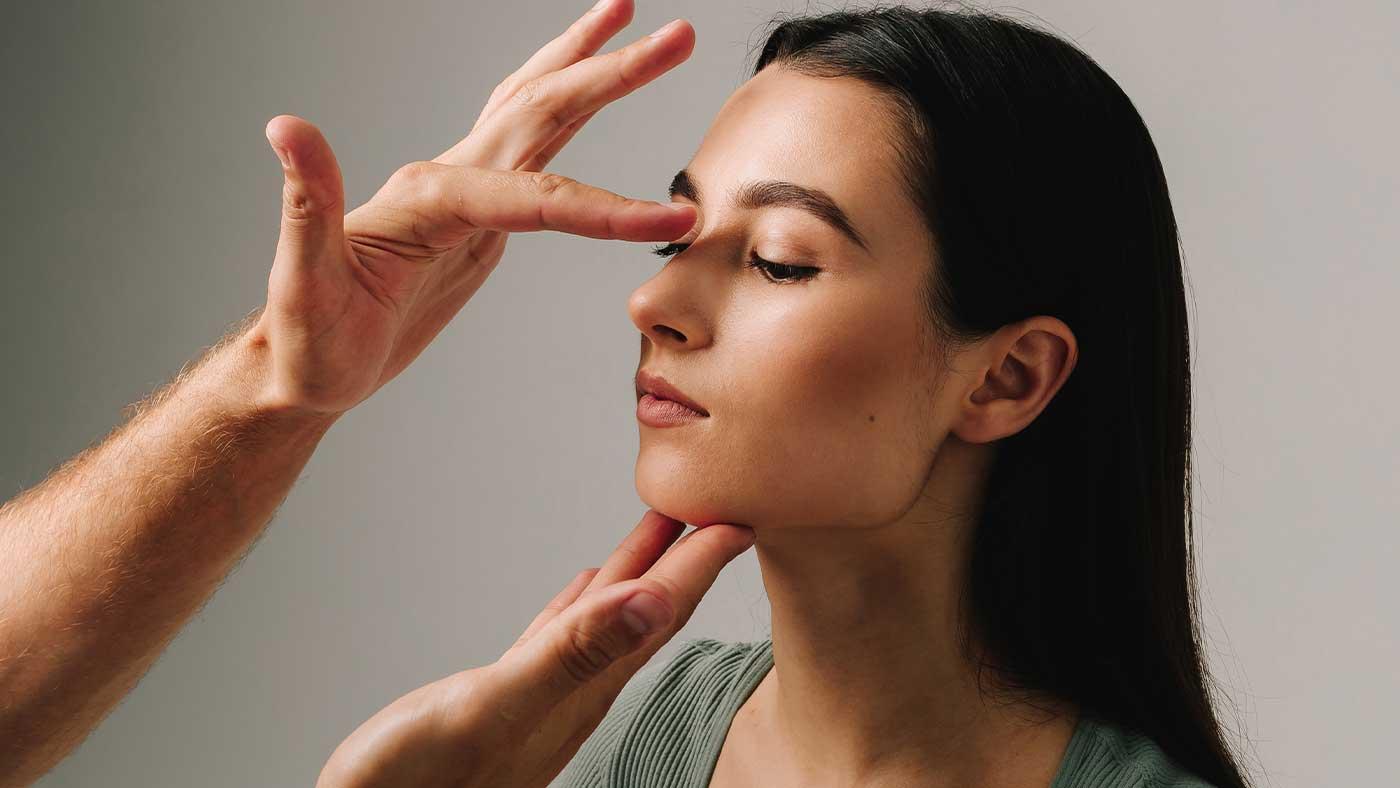
Rhinoplasty is often viewed as a physical transformation procedure, but its psychological impact is equally significant. Many individuals who feel dissatisfied with the shape or proportion of their nose experience reduced self-confidence, social hesitation, and even emotional discomfort in daily life. Over time, these feelings can affect personal relationships, professional interactions, and overall mental well-being. With the increasing popularity of Rhinoplasty in Islamabad, more attention is being given to the emotional and psychological improvements that follow nasal refinement.
Understanding how rhinoplasty influences confidence requires a closer look at the connection between facial appearance and self-perception.
The Connection Between Appearance and Confidence
Human psychology is deeply connected to facial appearance. The face is the primary feature through which individuals express identity, emotion, and personality. When a person feels that a particular facial feature does not align with their self-image, it can create internal discomfort.
The nose, being centrally positioned, plays a major role in facial balance. Even minor asymmetry or disproportion can affect how individuals perceive themselves in mirrors, photographs, and social settings.
This perception often leads to:
- Avoidance of photographs
- Self-conscious behavior in social situations
- Reduced willingness to engage in public interactions
- Lower self-esteem over time
Rhinoplasty addresses these concerns by improving facial harmony, which can positively influence psychological well-being.
How Rhinoplasty Influences Self-Image
Self-image refers to how individuals view themselves mentally and emotionally. When rhinoplasty enhances nasal symmetry and proportion, it often aligns physical appearance with internal self-perception.
Patients frequently report:
- Feeling more comfortable in their appearance
- Reduced fixation on nasal imperfections
- Improved satisfaction with facial symmetry
- Greater willingness to engage socially
These changes are not superficial; they are deeply tied to emotional confidence and identity.
Reduction of Social Anxiety
Social anxiety is often linked to self-consciousness about appearance. Individuals who feel insecure about their nose may avoid social gatherings or feel uncomfortable in group settings.
After rhinoplasty, many patients experience:
- Increased ease in social interactions
- Reduced fear of judgment
- Greater confidence in face-to-face communication
This shift allows individuals to participate more freely in social, academic, and professional environments.
Impact on Professional Confidence
Appearance can also influence professional confidence. While skills and competence remain the most important factors in career success, self-assurance plays a critical role in communication, presentation, and leadership.
Post-rhinoplasty patients often report:
- Improved confidence during presentations
- Better body language in professional settings
- Increased willingness to participate in discussions
This is particularly relevant for individuals in client-facing or public roles.
Emotional Relief from Long-Term Insecurity
Many individuals consider rhinoplasty after years of dissatisfaction with their nasal appearance. This long-standing insecurity can create emotional burden over time.
Rhinoplasty often provides:
- Relief from persistent self-criticism
- A sense of closure regarding appearance concerns
- Improved emotional balance
This psychological relief can be just as impactful as physical transformation.
Realistic Expectations and Mental Well-being
Psychological outcomes are closely tied to expectations. Patients who understand that rhinoplasty enhances rather than perfects appearance tend to experience greater satisfaction.
Healthy expectations include:
- Improvement in facial harmony
- Subtle refinement rather than dramatic change
- Gradual visible results over time
When expectations are realistic, patients are more likely to experience positive psychological outcomes.
Adjustment Period After Surgery
It is important to understand that psychological adjustment does not happen instantly. After surgery, swelling and temporary changes may initially affect perception of results.
During this period, individuals may experience:
- Temporary uncertainty about appearance
- Emotional sensitivity
- Gradual acceptance of changes
As healing progresses, confidence typically increases significantly.
Long-Term Psychological Benefits
Once full healing is achieved, long-term benefits often include:
- Sustained self-confidence
- Improved social comfort
- Enhanced self-esteem
- Positive body image
These improvements tend to remain stable over time when results align with expectations.
FAQs
Does rhinoplasty improve confidence?
Yes, many individuals report improved self-esteem after nasal refinement.
Can it reduce social anxiety?
It may reduce appearance-related self-consciousness, improving social comfort.
Is the change emotional or just physical?
It is both physical and psychological, affecting self-image and confidence.
How long before confidence improves?
Confidence gradually improves as swelling reduces and final results appear.

 عربي
عربي