


 SPARK Website
Are Your Building Assets Truly Safe from Hidden Risks?
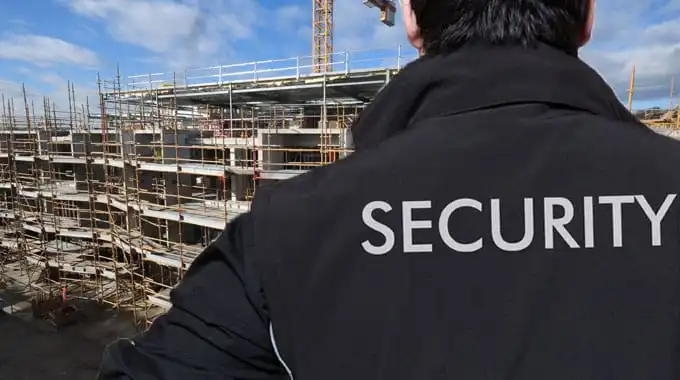
Protecting Modern Projects Through Smart Construction Site Security
The construction industry continues to grow rapidly, with projects becoming larger, more valuable, and increasingly complex. From residential developments and office towers to industrial facilities and infrastructure projects, construction sites hold millions of dollars in equipment, materials, and resources. While companies invest heavily in project planning and execution, one area that often determines overall success is Construction site Security.A construction site is a dynamic environment where workers, contractors, suppliers, and visitors interact daily. The constant movement of people and equipment creates opportunities for security challenges. Without proper protection, sites can become vulnerable to theft, vandalism, trespassing, and operational disruptions. These incidents can result in financial losses, project delays, and safety concerns.
Today, Construction site Security is no longer viewed as an optional service. It has become a critical business investment that protects assets, improves productivity, and supports project completion. Organizations that prioritize security gain a competitive advantage by reducing risks and maintaining operational efficiency throughout every phase of construction.
Why Construction Sites Require Specialized Security Solutions
Unlike traditional commercial properties, construction sites face unique security challenges. The environment changes daily as new materials arrive, structures are built, and work areas expand. Security strategies that work for office buildings or retail stores may not provide adequate protection for active construction projects.
Construction sites often contain valuable assets in open or partially completed environments. Heavy machinery, generators, power tools, fuel tanks, and building materials are attractive targets for criminals. These items can often be removed quickly if security measures are weak or inconsistent.
Weather conditions, remote locations, and multiple access points can further complicate site protection efforts. Security plans must remain flexible and adaptable to address evolving risks as projects progress. This is why professional security solutions are specifically designed to meet the unique demands of construction environments.
How Theft Impacts Construction Projects
Theft remains one of the most expensive challenges facing construction companies. Criminals frequently target construction sites because they contain valuable equipment and materials that can be resold easily.
When machinery or tools are stolen, project schedules can be disrupted immediately. Workers may be unable to complete assigned tasks, causing delays that affect subcontractors, suppliers, and project milestones. Even a single stolen machine can create a chain reaction of scheduling problems throughout an entire project.
Material theft can be equally damaging. Copper wiring, steel products, aluminum components, and fuel are common targets due to their resale value. Replacing stolen materials often requires additional purchasing costs and delivery delays.
Strong Construction site Security helps reduce these risks by deterring criminal activity and increasing the likelihood of detecting suspicious behavior before losses occur.
The Relationship Between Security and Workplace Safety
Many people associate security solely with crime prevention, but its role extends far beyond protecting assets. Effective security measures also contribute significantly to workplace safety.
Construction sites contain numerous hazards, including heavy equipment, elevated work areas, electrical systems, and restricted zones. Unauthorized individuals entering these environments may be exposed to serious dangers. Accidents involving trespassers can result in legal liabilities and reputational damage for project owners.
Access control systems help ensure that only authorized personnel enter designated areas. Security guards can verify credentials, monitor visitor activity, and enforce site regulations. These measures reduce the risk of accidents while creating a safer working environment for everyone involved.
By combining security and safety strategies, organizations can protect both people and property while supporting regulatory compliance.
Essential Features of Effective Construction Site Security
A successful security program relies on multiple layers of protection. Each layer addresses different risks and strengthens the overall security framework.
Perimeter protection is one of the most important elements. Fencing, barriers, gates, and secure entry points help establish clear boundaries and control access. Proper lighting improves visibility and discourages unauthorized activity during nighttime hours.
Video surveillance systems provide continuous monitoring of key locations. Modern cameras offer high-definition recording, remote viewing capabilities, and intelligent analytics that help identify unusual behavior.
Alarm systems add another level of protection by generating immediate alerts when suspicious activity occurs. Motion detectors, intrusion sensors, and perimeter alarms enable rapid responses that can prevent losses before significant damage occurs.
These combined measures create a comprehensive approach to Construction site Security that addresses a wide range of threats.
The Human Advantage: Security Personnel on Site
Technology provides valuable support, but trained security professionals remain one of the most effective defenses against criminal activity. Human observation, judgment, and response capabilities cannot be fully replaced by automated systems.
Security guards serve as visible deterrents that discourage potential intruders from targeting a site. Their presence communicates that the property is actively monitored and protected.
Professional security officers conduct regular patrols, inspect vulnerable areas, monitor access points, and investigate suspicious behavior. They can quickly respond to incidents and coordinate with emergency services when necessary.
Beyond security duties, guards often assist with visitor management, safety monitoring, and emergency preparedness. Their versatility makes them an essential component of a well-rounded security strategy.
Technology Trends Shaping the Future of Construction Security
The security industry continues to evolve through technological innovation. Advanced tools are helping construction companies improve site protection while increasing efficiency.
Artificial intelligence is transforming surveillance capabilities. AI-powered cameras can analyze movement patterns, detect unusual activity, and reduce false alarms. These systems provide more accurate monitoring than traditional surveillance methods.
Remote monitoring platforms allow project managers to oversee multiple sites from a central location. Real-time alerts and live video feeds provide immediate visibility into site conditions.
Drone technology is becoming increasingly popular for large-scale projects. Drones can monitor perimeter areas, inspect difficult-to-reach locations, and identify potential security concerns quickly and efficiently.
As these technologies continue to advance, organizations will gain access to even more powerful solutions for strengthening Construction Site Security Services.
Why Professional Construction Security Companies Matter
Managing site security internally can be challenging, especially for large or complex projects. Professional construction security companies bring specialized knowledge, experience, and resources that help organizations address security risks more effectively.
Experienced providers conduct detailed risk assessments and develop customized protection strategies based on site-specific requirements. They understand the unique challenges associated with construction environments and can recommend solutions that maximize protection while controlling costs.
Professional security companies also provide trained personnel, advanced technology, and ongoing support throughout the project lifecycle. Their expertise allows project managers to focus on construction activities while security professionals handle risk management.
Partnering with trusted construction security companies often results in stronger protection, improved efficiency, and greater peace of mind for stakeholders.
Building a Security-First Mindset
Security should be integrated into every stage of a construction project rather than treated as an afterthought. Creating a security-first culture encourages workers, supervisors, and contractors to actively participate in protecting site assets.
Training programs help employees recognize security threats and understand reporting procedures. Clear communication ensures that everyone understands their responsibilities regarding site protection.
Regular security reviews and risk assessments help identify vulnerabilities before they become serious problems. Continuous improvement strengthens protection measures and supports long-term project success.
When security becomes part of everyday operations, organizations are better prepared to address challenges and maintain productivity.
Conclusion
Construction projects represent significant investments that deserve comprehensive protection. Effective Construction site Security safeguards equipment, materials, personnel, and project timelines from a wide range of risks. By combining trained security personnel, advanced technology, physical barriers, and proactive planning, companies can create safer and more secure work environments.
As construction projects continue to grow in size and complexity, security will remain a critical factor in overall success. Working with experienced construction security companies provides access to specialized expertise and customized solutions that help protect valuable assets and reduce operational risks. Investing in strong security today can lead to smoother project execution, lower costs, and greater confidence tomorrow.
FAQs
1. What does Construction site Security include?
It includes security guards, surveillance systems, access control, fencing, alarms, lighting, and risk management procedures designed to protect construction projects.
2. Why is theft common at construction sites?
Construction sites contain valuable equipment, materials, and fuel that can be easily resold, making them attractive targets for criminals.
3. How do surveillance cameras improve site security?
They provide continuous monitoring, record incidents, deter criminal activity, and supply evidence when investigations are required.
4. Can security measures help improve worker safety?
Yes. Access control and active monitoring reduce unauthorized entry and help maintain a safer working environment.
5. Why should companies hire professional construction security companies?
Professional providers offer trained personnel, advanced technology, customized security plans, and ongoing support that improve overall site protection.

 عربي
عربي