


 SPARK Website
How to Paint MDF Festival Bases Like a Professional: Easy Techniques for Stunning Results
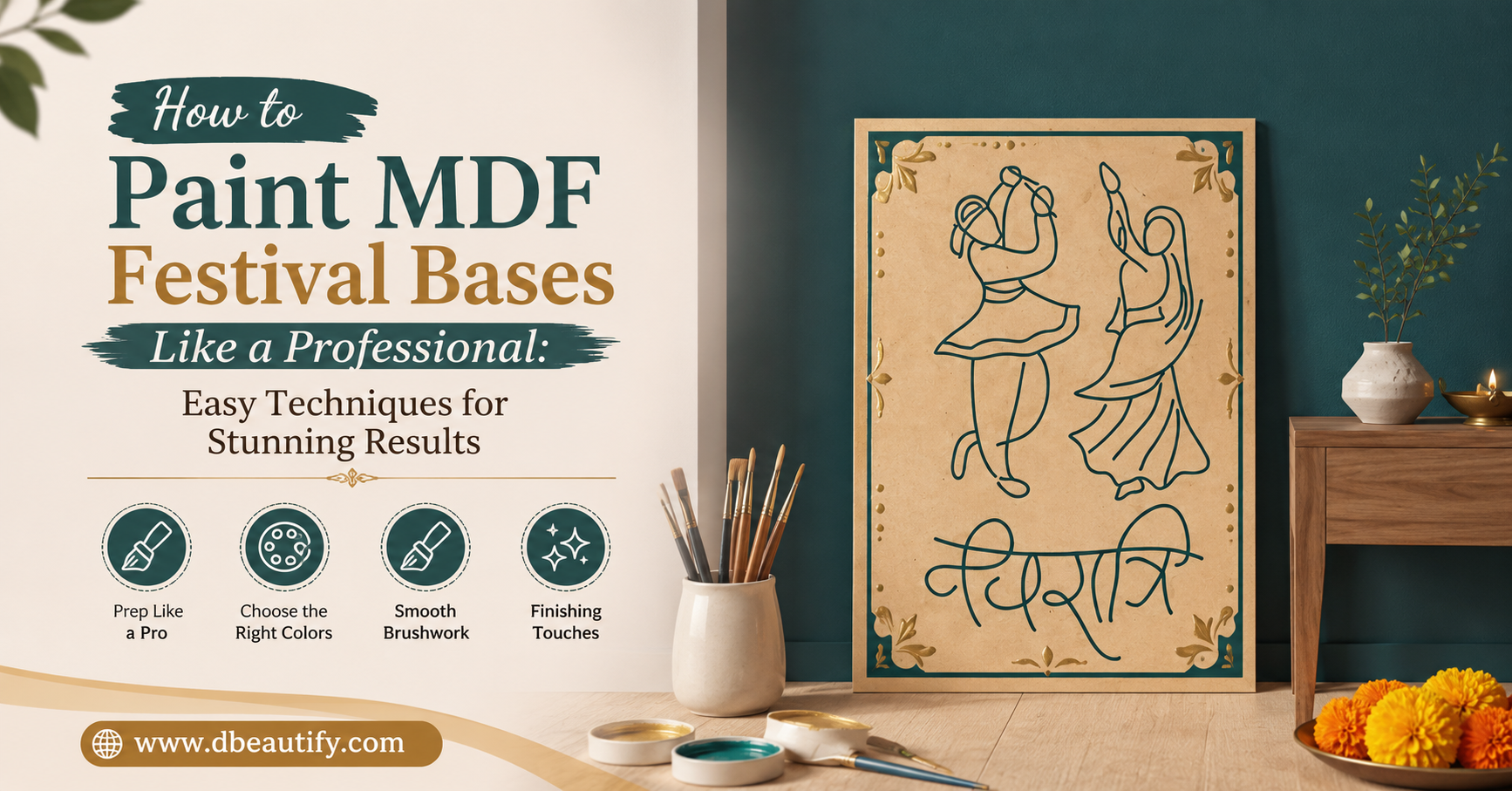
Festivals are a time of creativity, color, and celebration. Whether you're designing decorative rangolis, festive wall hangings, pooja décor, or personalized gifts, the quality of your painting can make all the difference. Many DIY enthusiasts invest in beautiful MDF Festival Bases, only to find that their final artwork doesn't look as polished as they imagined.
The good news? Professional-looking results don't require years of artistic experience. With the right preparation, techniques, and materials, anyone can transform a simple MDF base into a vibrant festive masterpiece.
In this guide, you'll learn how to paint MDF Festival Bases like a professional, avoid common mistakes, and achieve smooth, long-lasting finishes that truly stand out during every celebration.
Understanding Why MDF Is Perfect for Festival Crafts
Medium Density Fiberboard, commonly known as MDF, has become one of the most popular materials in the DIY craft industry. Its smooth surface, durability, and versatility make it ideal for festival-themed projects.
From decorative torans and rangoli boards to wall art and personalized nameplates, a quality MDF Base provides an excellent foundation for painting and customization.
Many crafters prefer laser-cut MDF products because they offer clean edges and intricate designs that are easy to paint and decorate.
Start with the Right MDF Festival Bases
The quality of your project begins with the quality of your base. Choosing a well-crafted Pre-Marked Base can save significant time and effort, especially for beginners.
Pre-marked designs provide clear outlines that help maintain symmetry and precision during painting. They are particularly useful for festival decorations featuring detailed patterns, mandalas, floral motifs, and traditional Indian art designs.
Brands like Dbeautify offer a variety of ready-to-paint MDF craft products designed for both beginners and experienced artists looking for professional results.
Preparing the Surface Like a Professional
One of the biggest mistakes beginners make is skipping surface preparation.
Although MDF typically has a smooth finish, lightly sanding the surface can improve paint adhesion and create a more refined final appearance.
Use fine-grit sandpaper and gently smooth the surface before removing any dust with a clean cloth. This simple step helps ensure that your paint spreads evenly without visible imperfections.
Proper preparation often makes the difference between an average project and one that looks professionally crafted.
Choosing the Best Paint for MDF Painting
Not all paints perform equally on MDF surfaces.
Acrylic paints are generally the preferred choice for MDF Painting because they offer:
Fast drying times
Excellent color vibrancy
Easy blending capabilities
Long-lasting durability
For festive décor, bright shades such as red, yellow, blue, green, gold, and metallic tones often create the most striking visual impact.
If you're creating a traditional festival design, layering complementary colors can add depth and dimension to your artwork.
Why Priming Matters
Professional artists rarely paint directly onto MDF.
Applying a primer creates a sealed surface that prevents excessive paint absorption and allows colors to appear more vibrant.
A thin coat of white acrylic primer works well for most projects. Allow it to dry completely before applying your first layer of paint.
This extra step helps achieve cleaner brush strokes and a more polished finish.
Painting Techniques That Create Professional Results
Use Thin Layers Instead of Thick Coats
Many beginners try to achieve full coverage in a single coat. Unfortunately, this often results in uneven textures and visible brush marks.
Professional-looking finishes come from multiple thin layers.
Apply light coats and allow each layer to dry before adding the next. This approach creates smoother surfaces and richer colors.
Work from Light Colors to Dark Colors
A useful trick in MDF Painting is to start with lighter shades and gradually move toward darker tones.
This method makes corrections easier and helps preserve color brightness throughout the design.
For example, if you're painting a festive rangoli board, begin with yellow or white sections before adding reds, blues, or darker accent colors.
Invest in Quality Brushes
Brush quality significantly affects the final appearance of your artwork.
Fine-detail brushes help create clean outlines and intricate patterns, while flat brushes are ideal for covering larger areas smoothly.
Using the right brush for each task improves precision and reduces frustration during the painting process.
Enhancing Your Design with Creative Details
Once your base colors are complete, it's time to add decorative elements.
Festival-themed projects often benefit from:
Hand-painted borders
Dot art techniques
Mandala detailing
Traditional Indian motifs
Metallic highlights
Adding gold or silver accents can instantly elevate a simple design and create a festive, premium appearance.
Many artists also combine painted surfaces with embellishments such as mirrors, beads, stones, and glitter for extra visual appeal.
Sealing Your Artwork for Long-Lasting Beauty
After investing time and effort into your project, protecting the finished design is essential.
A clear varnish or acrylic sealer helps preserve colors and prevents damage from dust, moisture, and handling.
Professional crafters often use matte or glossy finishes depending on the desired look.
For decorative festival items displayed annually, sealing can dramatically extend their lifespan.
A Real-Life Example
Imagine you're creating a Diwali rangoli board using a Pre-Marked Base.
Without priming, the paint may appear patchy and require multiple corrections. However, by sanding lightly, applying primer, using thin paint layers, and finishing with a protective sealer, the same design can look clean, vibrant, and professionally crafted.
This process is one reason experienced DIY artists consistently achieve impressive results with MDF projects.
For additional inspiration and creative techniques, many craft enthusiasts explore resources focused on DIY MDF wall décor and handmade craft bases to discover new painting styles and decorative approaches.
Common Mistakes to Avoid
Even talented beginners sometimes overlook important details.
Rushing between paint layers can cause smudging and uneven finishes. Using excessive water with acrylic paints may weaken color intensity. Ignoring surface preparation often leads to poor paint adhesion.
Taking time to follow each step carefully produces noticeably better results and reduces the need for corrections.
The Growing Popularity of Ready-to-Paint MDF Crafts
As DIY home décor continues to gain popularity, more creators are turning to MDF Festival Bases for personalized decorations.
From festive wall art and decorative nameplates to kids' DIY wall clocks and rangoli boards, MDF offers endless possibilities for creative expression.
The combination of affordability, versatility, and ease of customization makes MDF one of the most accessible materials for modern craft enthusiasts.
Conclusion
Creating beautiful festival décor doesn't require professional training. By selecting quality MDF Festival Bases, preparing the surface properly, using the right painting techniques, and protecting your finished work with a sealer, you can achieve impressive results that look professionally made.
Whether you're working on a festive rangoli, decorative wall art, or a customized gift, these techniques will help elevate your craftsmanship and boost your confidence as a creator.
As the DIY community continues to grow, trusted craft suppliers like Dbeautify are helping makers access high-quality MDF products that inspire creativity and make artistic projects more enjoyable. Start experimenting with these techniques today, and you'll be amazed at how professional your next festival craft project can look.

 English