


 SPARK Website
Using POS Analytics to Improve Product Bundling Strategies
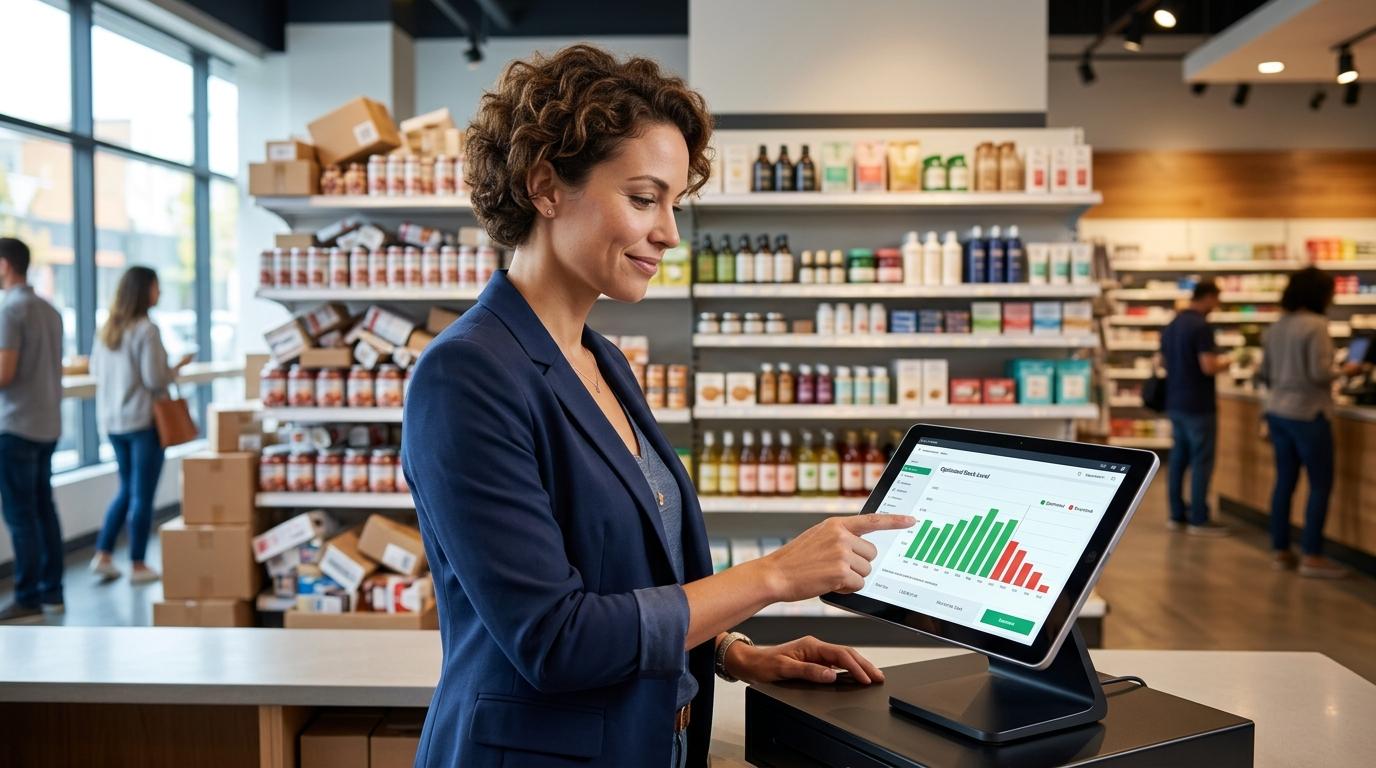
Retail competition has increased, and businesses now focus not only on selling products but also on increasing the value of each transaction. One effective way to achieve this is through product bundling. When done correctly, bundling improves sales volume, increases customer satisfaction, and boosts overall revenue.
POS analytics plays a key role in building effective bundling strategies by showing what customers frequently buy together and how purchasing patterns change over time.
What Is Product Bundling in Retail?
Product bundling is a sales strategy where multiple related products are sold together as a package, often at a discounted price. The goal is to increase the average order value while offering customers better value.
Common examples include:
- Shampoo and conditioner bundles
- Mobile phone with accessories
- Skincare kits
- Grocery combo packs
When based on data instead of guesswork, bundling becomes more effective and profitable.
How POS Analytics Improves Bundling Decisions
A POS system records every transaction in detail. This data becomes the foundation for identifying product relationships and customer buying behavior.
Instead of manually guessing which items go together, retailers can rely on POS insights to build accurate bundles.
Identifying Frequently Bought Together Products
One of the most useful features of POS analytics is tracking items that are frequently purchased in the same transaction.
For example:
- Coffee and sugar
- Printer and ink cartridges
- Chips and soft drinks
By analyzing this pattern, retailers can create bundles that naturally match customer preferences.
Understanding Customer Purchase Behavior
POS systems track individual customer buying patterns over time. This helps retailers understand:
- What products customers prefer
- How often they return
- What price range they typically spend in
- Which combinations increase repeat purchases
This behavioral insight allows businesses to design bundles that feel relevant and useful rather than forced.
Increasing Average Order Value (AOV)
One of the main goals of bundling is to increase the average order value. POS analytics helps retailers identify combinations that encourage customers to spend more in a single transaction.
For example:
- Instead of selling a single item, a bundle encourages multiple purchases
- Customers perceive bundled deals as better value
- Higher cart value improves overall revenue without increasing customer traffic
Seasonal Bundling Opportunities
POS data also reveals seasonal trends. Retailers can use this information to create timely bundles.
Examples include:
- Winter clothing bundles during cold seasons
- School supply packs during academic sessions
- Holiday gift sets during festive periods
Seasonal bundling increases relevance and boosts conversion rates.
Identifying Underperforming Products for Bundles
Slow-moving inventory can be difficult to sell individually. POS analytics helps identify these products and pair them with high-demand items.
This strategy helps:
- Reduce inventory waste
- Clear old stock efficiently
- Increase overall sales without heavy discounts
For example, a slow-selling item can be bundled with a best-selling product to improve its movement.
Price Optimization Through Data
POS analytics allows retailers to test different bundle pricing strategies and track performance.
Businesses can analyze:
- Which price points convert better
- How discounts affect sales volume
- Which bundles generate higher profit margins
This ensures that bundling remains profitable, not just attractive to customers.
Customer Segmentation for Better Bundles
Not all customers have the same preferences. POS systems help segment customers based on:
- Purchase frequency
- Spending habits
- Product categories
- Location
With segmentation, retailers can create targeted bundles for different customer groups instead of using a one-size-fits-all approach.
Improving Marketing Strategies with POS Insights
Bundling strategies become more effective when combined with marketing efforts. POS analytics helps identify which bundles should be promoted more aggressively.
Retailers can:
- Highlight high-performing bundles in promotions
- Promote bundles with slow-moving items
- Adjust advertising based on sales data
- Track campaign effectiveness in real time
Reducing Guesswork in Inventory Planning
Without data, bundling decisions are often based on assumptions. POS analytics removes uncertainty by providing clear sales patterns.
This helps businesses:
- Stock the right bundle components
- Avoid overstocking unnecessary combinations
- Improve supply chain planning
- Maintain balanced inventory levels
Role of Mhouse POS in Bundling Strategy
Solutions like Mhouse POS help retailers turn raw sales data into actionable bundling strategies. By tracking transactions, customer behavior, and product performance, it supports smarter decision-making and improves overall sales efficiency.
Final Thoughts
Product bundling becomes significantly more effective when driven by data rather than assumptions. POS analytics provides deep insights into customer behavior, product relationships, and sales trends.
With the right approach, retailers can increase revenue, improve inventory flow, and offer more value to customers through well-designed bundles.

 English