


 SPARK Website
The Benefits of Classic Agricultural Boundary Solutions for Landowners
delineation and livestock containment. For centuries, landowners have relied on physical boundaries to establish legal property lines, protect valuable crops from foraging wildlife, and secure domesticated animals within designated grazing zones. The architecture of rural fencing has evolved from rudimentary stone and brush barriers to highly engineered structures designed to balance durability with operational efficiency. A well-constructed agricultural boundary is essential for mitigating civil liabilities associated with stray livestock entering public roadways or neighboring properties.
Additionally, these structures aid in rotational grazing management, allowing farmers to optimize pasture regeneration and maintain soil health over extended periods. By defining clear boundaries, rural property owners establish administrative control over their acreage, minimizing land disputes and facilitating efficient daily operations. The selection of an appropriate fencing system depends on several factors, including the specific topography of the land, the type of livestock being contained, and the long-term land management goals of the property owner.
Structural Integrity and Material Selection for Rural Environments
The harsh environmental conditions typical of rural and agricultural settings demand perimeter structures engineered from resilient, long-lasting materials. Agricultural fencing must withstand continuous exposure to intense ultraviolet radiation, severe moisture fluctuations, soil acidity, and the physical pressure exerted by heavy livestock. Traditional timber remains a preferred choice for many landowners due to its natural structural rigidity and adaptability to uneven terrain. Modern wood preservation techniques, such as pressure treatment with specialized chemical preservatives, significantly extend the lifespan of timber posts and rails by resisting fungal decay, rot, and wood-boring insects.
Alternatively, high-tensile wire and polymer-coated components offer high strength and flexibility, reducing the risk of animal injury upon impact. The structural design must ensure that vertical posts are anchored deeply enough into the substrate, often below the local frost line, to resist shifting caused by soil expansion and contraction. Prioritizing robust materials and sound engineering principles prevents systemic structural failures, ensuring that the boundary remains functional and dependable with minimal human intervention.
Architectural Heritage and Visual Harmonization of Regional Fencing Styles
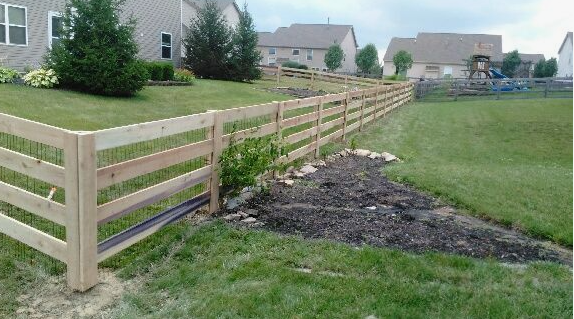
Beyond mere utility and containment, agricultural boundaries contribute significantly to the cultural landscape and visual identity of rural regions. Traditional fencing designs possess a timeless aesthetic that complements the natural topography, historical buildings, and pastoral scenery of well-managed estates. In regions renowned for equine industries and historic agricultural production, landowners frequently choose specific regional styles, such as a traditional Kentucky board fence, to enclose their pastures because this specific design offers exceptional visibility for large animals while maintaining a clean linear appearance that enhances the historic character of the countryside.
The bold horizontal lines of a multi-rail timber fence create a sense of order and prestige, visually elevating the entire property and reflecting a commitment to high standards of land stewardship. This integration of practical utility with regional architectural heritage creates a cohesive rural landscape, preserving the historical character of agricultural communities while providing reliable, high-visibility protection for valuable livestock assets.
Strategic Installation Methodologies Across Varied Terrain
The successful deployment of a large-scale agricultural boundary depends heavily on the execution of precise installation methodologies. Rural properties often present complex logistical challenges, including dense vegetation, rocky soil compositions, and steep topographical gradients. Proper installation begins with a comprehensive site survey to identify exact property lines and avoid subterranean utility infrastructure. Post holes must be excavated to uniform depths and diameters, with critical tension points, such as corners and gate assemblies, receiving additional reinforcement through diagonal bracing or concrete anchoring.
When navigating slopes, installers must decide between contouring the fence to follow the natural grade or stepping the panels to maintain strict horizontal lines. Failure to properly tension wire components or align timber rails creates structural weak points that livestock can exploit, leading to costly breaches. Employing meticulous construction standards ensures that the entire perimeter operates as a unified, resilient system capable of absorbing physical stress and maintaining structural alignment over decades of continuous service.
Long Term Financial Viability and Asset Preservation for Estates
Investing in a high-quality agricultural boundary is a foundational financial decision that impacts the long-term valuation and operational profitability of a rural estate. While the initial capital investment for premium materials and professional installation can be substantial, it represents a strategic asset that depreciates slowly and adds immediate equity to the real estate. Substandard fencing solutions often result in recurring maintenance expenses, frequent emergency repairs, and the potential loss of valuable livestock, which can quickly diminish farm profitability.
Conversely, a durable, professionally installed boundary requires fewer repairs, lowering the total cost of ownership over its operational lifecycle. Furthermore, well-fenced properties are highly attractive to prospective buyers and agricultural tenants, securing higher market premiums and rental rates. By reducing liability risks and protecting agricultural yields, a permanent, high-quality perimeter fence serves as an effective mechanism for risk mitigation and capital preservation, ensuring the sustained economic viability of the land holdings.
Enhancing Rural Estates with R and M Fence
Securing expansive acreage requires specialized knowledge and access to industrial-grade materials that can withstand the rigors of rural environments. Landowners seeking dependable agricultural boundary solutions can explore specialized options at to discover professional installation services tailored to large-scale properties. The team provides premium materials and precise construction techniques designed to maximize structural longevity, protect livestock, and enhance the visual appeal of rural estates. Partnering with experienced professionals ensures that your agricultural fencing investment is executed with technical accuracy, delivering reliable security and peace of mind for generations.
Conclusion
In conclusion, classic agricultural boundary solutions provide essential benefits that extend far beyond basic property demarcation. A well-engineered rural fence delivers the structural resilience necessary for livestock containment, integrates seamlessly with the historical architectural heritage of the landscape, and enhances the overall valuation of the estate. By prioritizing high-quality materials, precise installation methodologies, and professional expertise, landowners can successfully mitigate operational risks, lower long-term maintenance costs, and preserve the functional and aesthetic integrity of their agricultural holdings for many years to come.

 English