


 SPARK Website
Attachments for Wheel Loaders: Types, Uses, and Benefits Explained
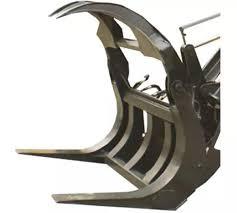
Wheel loaders are powerful machines widely used in construction, agriculture, mining, and industrial work. However, their true value comes from the wide range of attachments for wheel loaders that allow them to perform multiple tasks efficiently. Instead of relying on a single function, operators can switch attachments to handle different jobs quickly and effectively. This article explains the most common wheel loader attachments, their uses, and the benefits they provide.
What Are Wheel Loader Attachments?
Wheel loader attachments are interchangeable tools that connect to the front of a wheel loader. These attachments allow the machine to perform different tasks such as digging, lifting, carrying, sweeping, and material handling.
By changing attachments, a wheel loader can transform into a multi-purpose machine, reducing the need for multiple pieces of equipment on a job site.
Common Types of Attachments for Wheel Loaders
There are many attachments available, each designed for specific applications. Below are the most widely used types.
1. General Purpose Bucket
The most common attachment used with wheel loaders.
- Used for soil, sand, gravel, and loose materials
- Ideal for construction and earthmoving tasks
- Offers high loading efficiency
2. Rock Bucket
Designed for heavy and rough materials.
- Strong steel structure with reinforced edges
- Used in mining and quarry operations
- Handles rocks and abrasive materials easily
3. Pallet Forks
Used for lifting and moving pallets.
- Common in warehouses and agriculture
- Allows precise handling of goods
- Improves logistics efficiency
4. Grapple Bucket
Used for irregular and bulky materials.
- Ideal for logs, scrap, and debris
- Hydraulic gripping system for strong hold
- Common in forestry and recycling industries
5. Sweeper Attachment
Designed for cleaning tasks.
- Removes dust, dirt, and debris from surfaces
- Used in industrial yards and roads
- Helps maintain clean working environments
6. Snow Blade
Used in winter operations.
- Clears snow from roads and pathways
- Adjustable angles for better control
- Fast and efficient snow removal
Benefits of Using Attachments for Wheel Loaders
Wheel loader attachments offer several important advantages that improve productivity and reduce costs.
1. Increased Versatility
A single wheel loader can perform many tasks by simply changing attachments, making it highly flexible.
2. Cost Savings
Instead of purchasing multiple machines, businesses can rely on one loader with different attachments.
3. Higher Productivity
Quick attachment changes reduce downtime and increase job efficiency.
4. Better Fuel Efficiency
Using one machine for multiple tasks reduces fuel consumption compared to operating several machines.
5. Easy Operation
Modern attachments are designed for quick connection and user-friendly operation.
Applications of Wheel Loader Attachments
These attachments are used in many industries due to their adaptability.
Construction Industry
- Earthmoving
- Material loading
- Site cleanup
Agriculture
- Feed handling
- Crop movement
- Farm maintenance
Mining and Quarrying
- Rock handling
- Ore loading
- Heavy material transport
Waste Management
- Scrap handling
- Recycling operations
- Waste collection
Municipal Work
- Snow removal
- Road cleaning
- Public area maintenance
How to Choose the Right Attachment
Choosing the right attachment depends on your work requirements.
- Identify the type of material you will handle
- Ensure compatibility with your wheel loader model
- Consider durability for heavy-duty work
- Check hydraulic system requirements
- Compare cost and long-term performance
Selecting the correct attachment improves efficiency and reduces wear on the machine.
Conclusion
Attachments for wheel loaders play a vital role in increasing machine efficiency and versatility. From buckets and forks to grapples and snow blades, each attachment is designed to handle specific tasks across construction, agriculture, mining, and industrial sectors.
By using the right attachments, operators can maximize productivity, reduce costs, and make their wheel loaders more valuable and efficient in everyday operations.

 عربي
عربي