


 SPARK Website
How can you master pantry cabinet organization at home
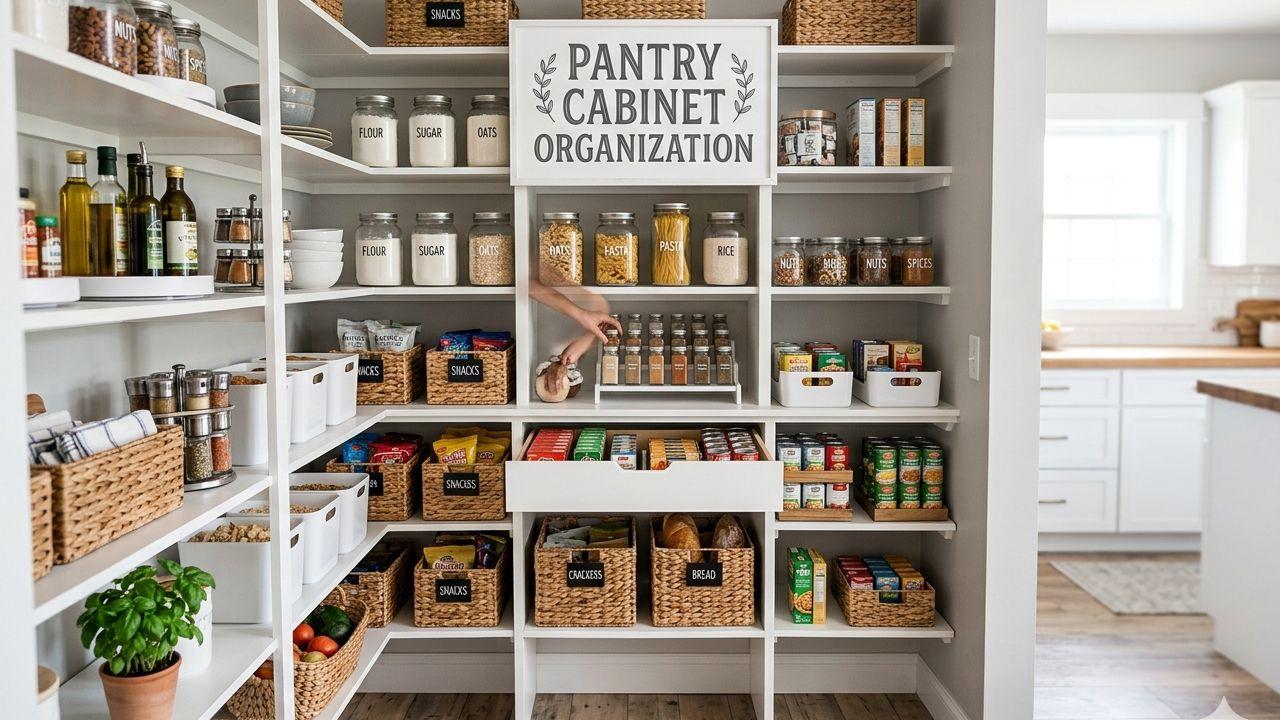
A well-organized kitchen is the heart of an efficient home, and at the center of that efficiency is effective pantry cabinet organization. Whether you have a large walk-in pantry or a compact kitchen cabinet, the way you arrange your food items, containers, and essentials directly impacts your daily cooking routine.
Poor organization often leads to wasted food, duplicated purchases, and unnecessary stress when preparing meals. On the other hand, a thoughtfully arranged pantry saves time, reduces clutter, and helps you maintain better control over your household inventory. In this article, we will explore practical, easy-to-implement strategies for pantry cabinet organization that can transform even the most chaotic storage space into a highly functional system.
Why Pantry Cabinet Organization Matters
Pantry cabinet organization is not just about aesthetics. It plays a crucial role in improving your kitchen workflow and reducing daily frustration.
Saves Time During Meal Preparation
When everything has a designated place, you can quickly locate ingredients without searching through cluttered shelves. This makes cooking faster and more enjoyable, especially during busy weekdays.
Reduces Food Waste
Proper organization allows you to see what items you already have, preventing overbuying and ensuring that food is used before it expires. Expired or forgotten items are a common issue in disorganized pantries.
Improves Budget Management
When your pantry is well-organized, you are less likely to buy duplicate items. This helps you stick to a grocery budget and avoid unnecessary spending.
Enhances Kitchen Hygiene
A clean and organized pantry reduces the chances of pests, spills, and contamination. It also makes cleaning easier since everything is neatly arranged.
Step-by-Step Guide to Pantry Cabinet Organization
Creating an efficient pantry system requires a structured approach. Below is a step-by-step guide to help you get started.
Step 1: Empty and Assess Your Pantry
Start by removing everything from your pantry cabinets. This allows you to see exactly what you have and evaluate the available space. Check for expired items and discard anything that is no longer usable.
Group similar items together such as grains, spices, canned goods, snacks, and baking ingredients. This initial sorting stage is essential for building a strong organizational foundation.
Step 2: Clean the Cabinet Thoroughly
Before putting anything back, clean all shelves and surfaces. Wipe away dust, spills, and crumbs. If possible, use shelf liners to protect surfaces and make future cleaning easier.
A clean base ensures that your pantry cabinet organization system starts fresh and hygienic.
Step 3: Categorize Items Strategically
Grouping items properly is the core of successful pantry cabinet organization. Instead of randomly placing items, create logical categories based on usage and type.
Common categories include:
- Baking supplies (flour, sugar, baking powder)
- Breakfast items (cereal, oats, honey)
- Snacks (chips, biscuits, nuts)
- Cooking essentials (oil, spices, sauces)
- Canned and packaged goods
- Beverages (tea, coffee, juices)
Keep frequently used items at eye level for easy access.
Step 4: Use Storage Containers
Clear storage containers are one of the most effective tools for pantry cabinet organization. They help maintain freshness, reduce clutter, and improve visibility.
Benefits of using containers include:
- Preventing food spills and contamination
- Saving space by stacking items efficiently
- Making it easier to identify ingredients
- Extending shelf life of dry goods
Label each container clearly to avoid confusion and maintain consistency.
Step 5: Maximize Vertical Space
Most people underutilize vertical space in pantry cabinets. Installing shelf risers, stackable bins, or tiered organizers can significantly increase storage capacity.
For example:
- Use tiered shelves for canned goods
- Install hooks for hanging small items
- Add under-shelf baskets for lightweight products
This approach ensures that no space goes to waste.
Step 6: Implement the First-In, First-Out Rule
To maintain freshness and reduce waste, always follow the FIFO (First-In, First-Out) method. Place older items at the front and newer ones at the back.
This simple technique ensures that food is used before it expires and helps maintain better inventory control.
Smart Storage Ideas for Better Pantry Cabinet Organization
A well-designed pantry is not only functional but also adaptable. Here are some smart storage ideas to elevate your system.
Pull-Out Drawers
Pull-out drawers make it easier to access items stored at the back of deep cabinets. They eliminate the need to move multiple items just to reach one product.
Lazy Susans
Rotating trays are ideal for storing sauces, spices, and condiments. They provide quick access and prevent items from getting lost in the back corners.
Clear Bins for Grouping
Use transparent bins to group similar items together. For example, create a baking bin, snack bin, or breakfast bin. This method simplifies both storage and retrieval.
Door Storage Solutions
The inside of pantry doors can be used for additional storage. Install racks or holders for spices, foil, wraps, or small packets.
Common Mistakes in Pantry Cabinet Organization
Even with the best intentions, many people make mistakes that reduce the effectiveness of their pantry system.
Overcrowding Shelves
Stuffing too many items into one space makes it difficult to find anything. It also increases the risk of spills and disorganization.
Ignoring Expiry Dates
Failing to check expiration dates regularly leads to food waste and potential health risks. Always rotate stock and check labels.
Lack of Labeling
Unlabeled containers create confusion and make it harder to maintain order. Labels are essential for long-term organization.
Not Maintaining the System
Pantry organization is not a one-time task. Without regular maintenance, even the best system will eventually become cluttered.
Maintenance Tips for Long-Term Pantry Organization
Maintaining pantry cabinet organization requires consistency and small habits.
Weekly Quick Check
Spend a few minutes each week checking for expired items or misplaced products. This prevents clutter from building up.
Monthly Reset
Once a month, take time to reorganize and clean your pantry. Rearrange items if needed and restock essentials.
Grocery List Discipline
Always check your pantry before shopping. This helps you avoid unnecessary purchases and keeps your inventory balanced.
Keep It Simple
Avoid overcomplicating your system. A simple, easy-to-follow structure is more sustainable in the long run.
Benefits of a Well-Organized Pantry Cabinet
When your pantry is properly organized, you will notice immediate improvements in your kitchen routine.
- Faster meal preparation
- Reduced food waste
- Better budget control
- Cleaner kitchen environment
- Less daily stress
These benefits show that pantry cabinet organization is not just about storage—it is about improving your overall lifestyle.
Conclusion
Effective pantry cabinet organization is a powerful way to transform your kitchen into a more functional, efficient, and stress-free space. By following a structured approach—clearing, cleaning, categorizing, and maintaining—you can create a system that works for your lifestyle.
The key is consistency. Even the best organization system requires regular upkeep to stay effective. With the right habits and smart storage solutions, your pantry can remain tidy, accessible, and highly efficient for years to come.
A well-organized pantry is more than just a storage solution; it is an investment in time, money, and peace of mind.

 عربي
عربي