


 SPARK Website
Rebar Straightener Technology: High-Efficiency Steel Processing for Modern Construction Projects
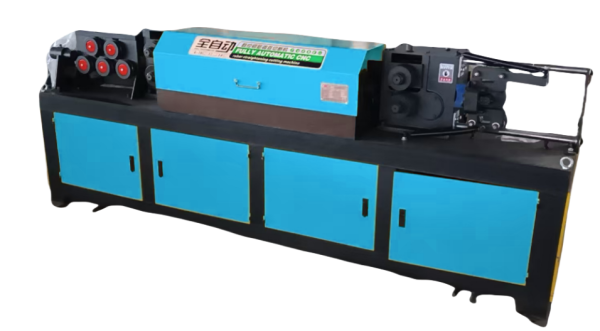
The construction and infrastructure industry depends heavily on precision steel preparation, and the rebar straightener plays a crucial role in ensuring uniform, high-quality reinforcement bars for structural applications. This advanced machine is designed to straighten bent, coiled, or deformed steel bars with high accuracy, improving productivity and reducing manual labor in steel processing plants.
How Rebar Straightening Technology Works
A rebar straightener operates using a system of high-strength rollers or rotary straightening mechanisms that apply controlled pressure to steel bars. As the rebar passes through the machine, it is gradually corrected into a perfectly straight form without damaging its structural integrity.
Modern CNC and automatic models enhance this process by adjusting roller speed and pressure based on bar diameter and material grade. This ensures consistent straightening results across different steel types and sizes.
Technical Specifications of Rebar Straightener Machines
Advanced rebar straightening machines are built for heavy-duty industrial use with durable mechanical and control systems. Typical technical specifications include:
- Processing diameter: 4mm–40mm rebar (model dependent)
- Control system: Manual, semi-automatic, or CNC intelligent control
- Straightening method: Multi-roller or rotary straightening system
- Feeding system: Automatic or manual bar feeding
- Motor system: High-torque servo or hydraulic drive
- Production speed: Continuous high-efficiency operation
- Straightening accuracy: High precision with minimal deformation
- Roller material: Hardened alloy steel for durability
- Operation mode: Fully automatic or semi-automatic
- Safety system: Emergency stop and overload protection
These specifications ensure reliable performance in demanding construction environments.
Advantages of Rebar Straightener Machines
Rebar straightening machines offer several key benefits for steel processing and construction industries:
- High-speed straightening improves production efficiency
- Consistent output ensures uniform reinforcement quality
- Reduced manual labor lowers operational costs
- Minimal material damage preserves steel strength
- Suitable for various rebar sizes and grades
- Continuous operation supports large-scale projects
This makes it an essential tool for modern reinforcement steel preparation.
Industrial Applications
Rebar straighteners are widely used across multiple construction-related industries:
- High-rise building construction
- Bridge and tunnel reinforcement projects
- Highway and railway infrastructure
- Steel processing and fabrication plants
- Precast concrete manufacturing units
Their ability to deliver precise and uniform steel bars makes them essential in reinforced concrete construction.
Performance Efficiency and Operational Safety
Modern rebar straightening machines are designed for continuous industrial use with high durability. Roller-based systems ensure smooth operation, while automated feeding mechanisms improve productivity.
Safety features include emergency stop systems, overload protection, and reinforced machine housing to ensure safe operation. Energy-efficient motors reduce power consumption while maintaining high output performance.
Conclusion
The rebar straightener is a vital piece of equipment in modern steel processing, delivering precision, speed, and efficiency in preparing reinforcement bars for construction. It significantly enhances production quality while reducing labor costs and material waste. For complete technical details and product specifications, explore the full solution of the rebar straightener.

 عربي
عربي