In today's competitive digital landscape, professionals are no longer defined solely by their qualifications, experience, or job titles. Instead, employers, clients, investors, and industry peers often evaluate individuals based on their online presence, expertise, reputation, and professional visibility. This shift has made personal branding one of the most important tools for career growth and business success. A strong personal brand identity helps professionals communicate their unique value, establish credibility, and build meaningful connections with their audience. Understanding the importance of personal branding and learning how to create a personal brand can help individuals stand out in crowded markets, attract new opportunities, and position themselves as trusted authorities. This article explores the concept of personal brand identity, examines the benefits of personal branding, and provides a step-by-step guide to building a successful personal brand.
Introduction
The rise of digital platforms has transformed the way professionals build their careers and reputations. Today, people often search online before making decisions about hiring, collaborating, investing, or purchasing services. Websites, LinkedIn profiles, social media accounts, blogs, podcasts, and digital portfolios frequently create the first impression long before any direct interaction occurs.
As a result, personal branding has become an essential part of professional development. A strong personal brand identity helps individuals communicate their expertise, values, personality, and professional strengths in a clear and memorable way. Whether you are an entrepreneur, executive, consultant, freelancer, or content creator, building a personal brand can improve visibility, strengthen trust, and create long-term opportunities for growth and success.
What Is Personal Branding?
Personal branding is the process of intentionally shaping how people perceive your professional identity.
A personal brand reflects:
Expertise
Skills
Professional experience
Values
Personality
Leadership qualities
Communication style
Industry reputation
Your personal brand represents the overall impression people form about you professionally.
Why Personal Branding Matters
The modern professional environment is highly competitive.
People often evaluate professionals through:
Search engine results
LinkedIn profiles
Personal websites
Social media platforms
Online content
Professional achievements
Strong personal branding helps professionals stand out and create positive impressions.
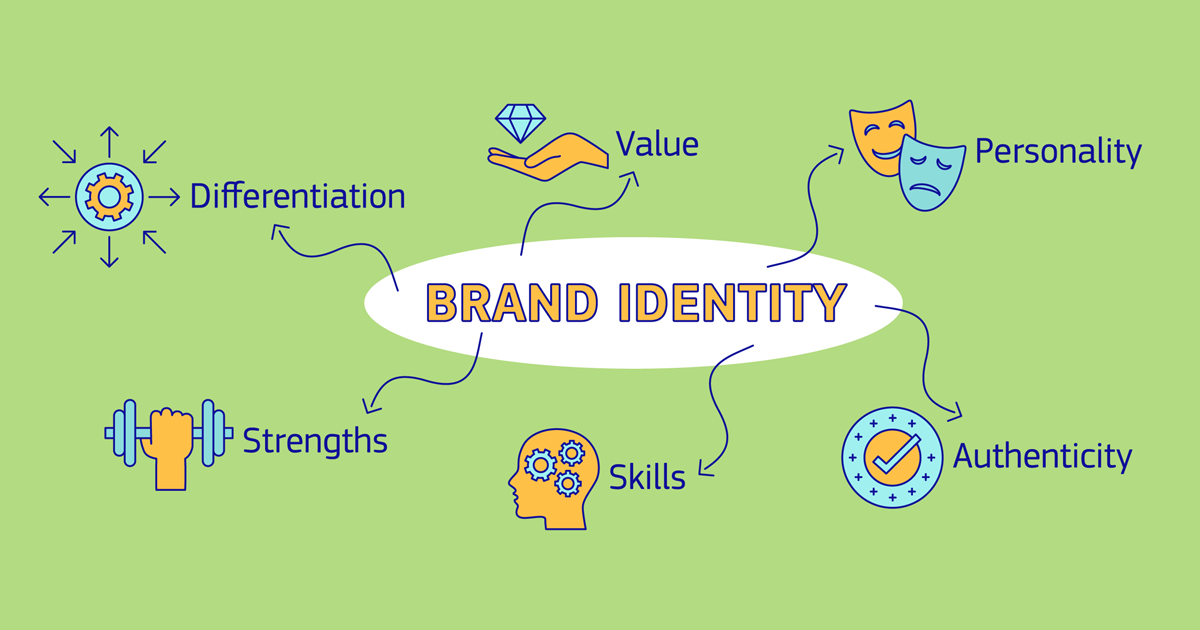
Understanding Personal Brand Identity
Personal brand identity is the collection of elements that define how a professional presents themselves to the world.
It includes:
Visual identity
Brand messaging
Professional values
Personal story
Communication style
Digital presence
A strong identity creates consistency and recognition.
Why Personal Brand Identity Is Important
Without a clear identity, branding efforts can become inconsistent and ineffective.
A strong personal brand identity helps:
Improve recognition
Strengthen credibility
Build trust
Create consistency
Differentiate professionals
Identity forms the foundation of successful branding.
Core Elements of Personal Brand Identity
Professional Positioning
Positioning defines how you want to be perceived within your industry.
Personal branding helps professionals stand out from competitors.
Differentiation improves memorability.
Increased Trust
Trust is one of the most valuable outcomes of branding.
Consistent communication strengthens confidence.
Long-Term Career Growth
Personal branding creates opportunities throughout a professional career.
Visibility supports sustainable success.
Expanded Audience Reach
Strong brands attract larger audiences through:
Content creation
Networking
Thought leadership
Audience growth strengthens influence.
Business Development
Entrepreneurs and consultants often use personal branding to attract clients and generate leads.
Branding supports business growth.
How to Create a Personal Brand
Creating a successful personal brand requires a strategic and consistent approach.
Step 1: Define Your Goals
Start by identifying what you want your personal brand to achieve.
Goals may include:
Career advancement
Business growth
Thought leadership
Industry recognition
Audience development
Goals provide direction.
Step 2: Identify Your Expertise
Understand the knowledge and skills that make you valuable.
Consider:
Professional experience
Specialized skills
Industry knowledge
Unique strengths
Expertise forms the foundation of authority.
Step 3: Understand Your Audience
Successful branding focuses on audience needs.
Identify:
Who you want to reach
Their challenges
Their interests
Their goals
Audience understanding improves communication.
Step 4: Develop Your Personal Brand Statement
A personal brand statement summarizes your professional identity.
It should communicate:
Who you are
What you do
Who you help
Why you matter
Clear messaging strengthens recognition.
Step 5: Create a Professional Online Presence
Digital visibility is essential.
Important platforms include:
LinkedIn
Personal websites
Blogs
YouTube
Industry communities
Visibility supports authority.
Step 6: Build a Consistent Visual Identity
Consistency strengthens recognition.
Focus on:
Professional photography
Website design
Brand colors
Typography
Visual consistency improves credibility.
Step 7: Share Valuable Content
Content helps demonstrate expertise.
Popular content formats include:
Articles
Videos
Podcasts
Case studies
Educational posts
Valuable content builds authority.
Step 8: Build Professional Relationships
Networking remains a critical part of personal branding.
Focus on:
Industry connections
Professional communities
Mentorship opportunities
Collaboration
Relationships strengthen influence.
The Role of Content in Personal Branding
Content is one of the most effective branding tools available.
Educational Articles
Articles help professionals:
Share expertise
Improve SEO visibility
Build authority
Written content supports credibility.
Video Content
Video allows audiences to connect with personality and expertise.
Video strengthens trust.
Podcasts
Podcasts help build:
Thought leadership
Audience engagement
Professional visibility
Long-form content deepens relationships.
Social Media Content
Social media supports:
Visibility
Engagement
Community building
Consistent activity improves recognition.
Common Personal Branding Mistakes
Lack of Consistency
Inconsistent branding weakens recognition.
Consistency strengthens trust.
Poor Positioning
Unclear positioning makes it difficult for audiences to understand your value.
Clarity improves branding.
Ignoring Online Presence
Professionals who neglect digital visibility often miss opportunities.
Visibility supports growth.
Excessive Self-Promotion
Successful branding focuses on providing value rather than constant self-promotion.
Value builds credibility.
Weak Audience Engagement
Strong brands interact with their communities.
Engagement strengthens loyalty.
Measuring Personal Branding Success
Personal branding effectiveness can be measured through:
Audience growth
Website traffic
Social engagement
Networking opportunities
Professional inquiries
Industry recognition
Regular evaluation supports improvement.
Future Trends in Personal Branding
AI-Powered Discovery
Search engines increasingly prioritize:
Expertise
Authority
Valuable content
Strong brands improve discoverability.
Video-First Communication
Video continues becoming one of the most effective content formats.
Video strengthens engagement.
Human-Centered Branding
Audiences value:
Authenticity
Transparency
Emotional intelligence
Authentic communication builds trust.
Community-Based Growth
Professionals increasingly focus on building communities rather than simply gaining followers.
Communities strengthen influence.
Conclusion
Personal brand identity serves as the foundation of professional visibility, credibility, and long-term success. By clearly communicating expertise, values, personality, and professional strengths, individuals can create a memorable and trustworthy presence that supports career growth and business development.
Understanding the importance of personal branding helps professionals recognize the value of strategic communication, consistent visibility, and authentic engagement. Learning how to create a personal brand enables individuals to stand out in competitive industries, build meaningful relationships, and establish themselves as respected authorities.
Professionals who invest in personal branding, valuable content, strong digital presence, and consistent identity development often achieve greater recognition, stronger credibility, and sustainable professional success.
Frequently Asked Questions
1. What is personal brand identity?
Personal brand identity is the combination of visual, verbal, and strategic elements that define how a professional is perceived.
2. Why is personal branding important?
Personal branding improves visibility, credibility, trust, and professional opportunities.
3. How do I create a personal brand?
Define your goals, identify your expertise, understand your audience, and build a consistent online presence.
4. What are the main elements of personal brand identity?
Positioning, values, visual identity, communication style, and personal story.
5. Why is visibility important in personal branding?
Visibility increases recognition and creates opportunities for growth and influence.
6. How does content help personal branding?
Content demonstrates expertise, builds authority, and strengthens audience trust.
7. What platforms are useful for personal branding?
LinkedIn, personal websites, blogs, YouTube, and professional social media platforms.
8. What are common personal branding mistakes?
Inconsistent messaging, weak positioning, poor visibility, and excessive self-promotion.
9. How long does it take to build a personal brand?
Personal branding is an ongoing process, but consistent effort often produces results within several months.
10. What is the future of personal branding?
The future includes AI-driven discovery, video content, authentic communication, and community-focused engagement.



 SPARK Website

 عربي
عربي