


 SPARK Website
Laser Rust Stripper Technology: Advanced Industrial Cleaning for Precision Surface Restoration
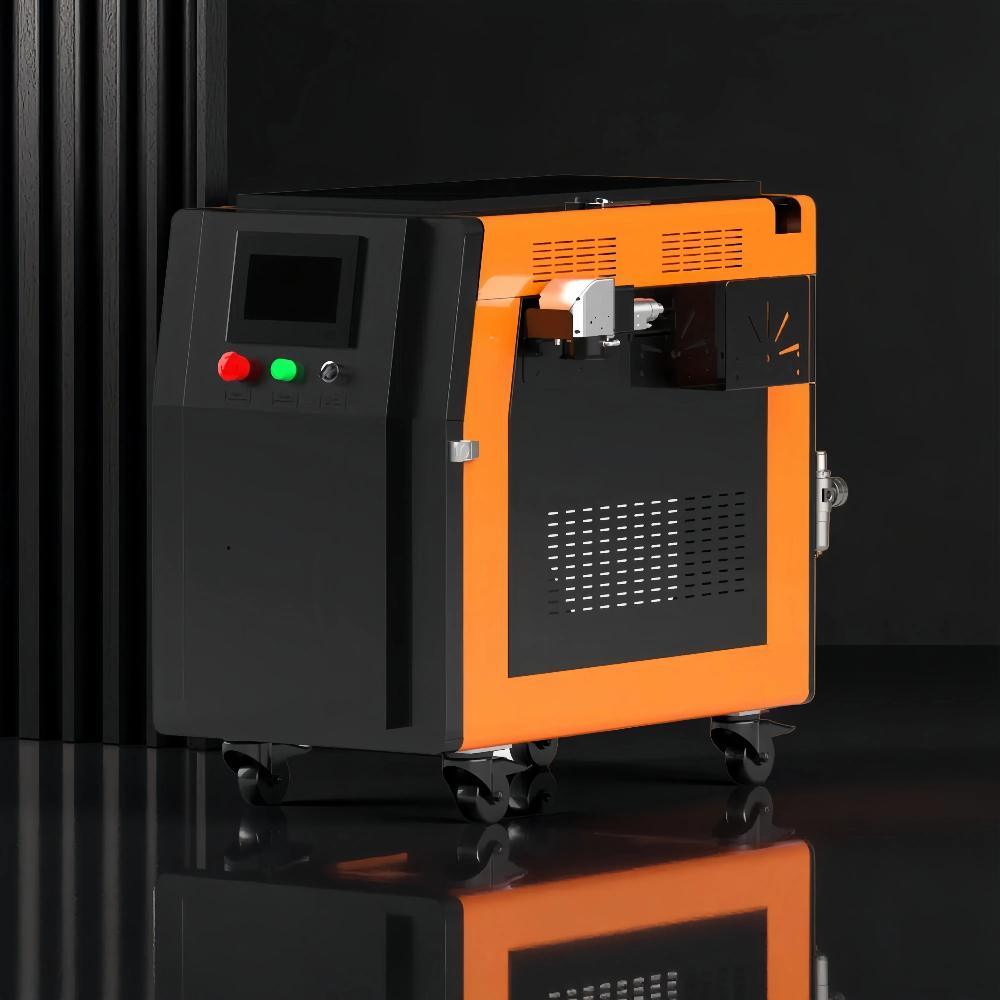
Modern industries are rapidly shifting toward eco-friendly and high-efficiency surface treatment solutions, and the laser rust stripper has become one of the most advanced technologies for removing rust, corrosion, paint, and oxidation from metal surfaces. It provides a non-contact, chemical-free cleaning method that ensures high precision while preserving the integrity of the base material.
How Laser Rust Stripping Technology Works
A laser rust stripper uses high-energy fiber laser beams to target contaminated surface layers. When the laser interacts with rust or oxidation, the energy is absorbed by the unwanted material, causing it to heat rapidly, expand, and vaporize.
The underlying metal reflects most of the laser energy, preventing damage and allowing selective cleaning. This makes the process extremely precise and suitable for industrial applications where surface integrity is critical.
Unlike sandblasting or chemical cleaning, laser stripping produces no secondary waste, no consumables, and no hazardous emissions, making it a sustainable solution for modern manufacturing.
Technical Specifications of Laser Rust Stripper Systems
Advanced laser rust stripper machines are built with high-performance fiber laser technology and intelligent control systems. Typical specifications include:
- Laser power range: 100W, 200W, 300W, 500W
- Laser type: Pulsed fiber laser / continuous fiber laser
- Wavelength: 1064 nm infrared laser beam
- Pulse frequency: 20–200 kHz adjustable range
- Cooling system: Air-cooled or water-cooled industrial design
- Scan width: 50mm–300mm adjustable cleaning head
- Cleaning efficiency: Several square meters per hour depending on rust thickness
- Fiber cable length: 5–10 meters for flexible operation
- Control system: Handheld smart interface or CNC automation integration
- Lifespan: Over 100,000 operating hours
These specifications allow precise control over cleaning depth, speed, and beam intensity for different industrial requirements.
Advantages of Laser Rust Stripping Technology
Laser rust stripping offers significant advantages over traditional cleaning methods:
- Non-contact cleaning with zero surface abrasion
- No chemicals, abrasives, or secondary pollution
- High precision rust and coating removal
- Reduced maintenance and operational costs
- Environmentally friendly and energy-efficient operation
- Safe for delicate and high-value metal components
This makes it ideal for industries focusing on sustainability, precision, and cost efficiency.
Industrial Applications
Laser rust strippers are widely used across various industries due to their versatility:
- Automotive manufacturing and restoration
- Shipbuilding and marine maintenance
- Oil and gas pipeline corrosion removal
- Steel structure refurbishment and maintenance
- Aerospace component cleaning and preparation
- Industrial machinery and mold maintenance
Their ability to handle both large-scale and precision cleaning tasks makes them highly valuable in modern engineering environments.
Performance Efficiency and Safety Features
Modern laser rust stripper systems are designed with advanced safety and control features. Operators can adjust laser power, pulse frequency, and scan width depending on material type and contamination level.
Built-in safety systems include protective shielding, emergency stop functions, and real-time monitoring interfaces. Fiber laser technology ensures high energy conversion efficiency, reducing electricity consumption while maintaining strong cleaning performance.
Conclusion
The laser rust stripper represents a major advancement in industrial surface treatment technology, offering a fast, precise, and environmentally friendly alternative to traditional rust removal methods. Its efficiency, safety, and long service life make it an essential tool for modern industries. For complete technical specifications and product details, explore the official solution of the laser rust stripper.

 English