


 SPARK Website
How to Integrate a Sportsbook API into Your Betting Website
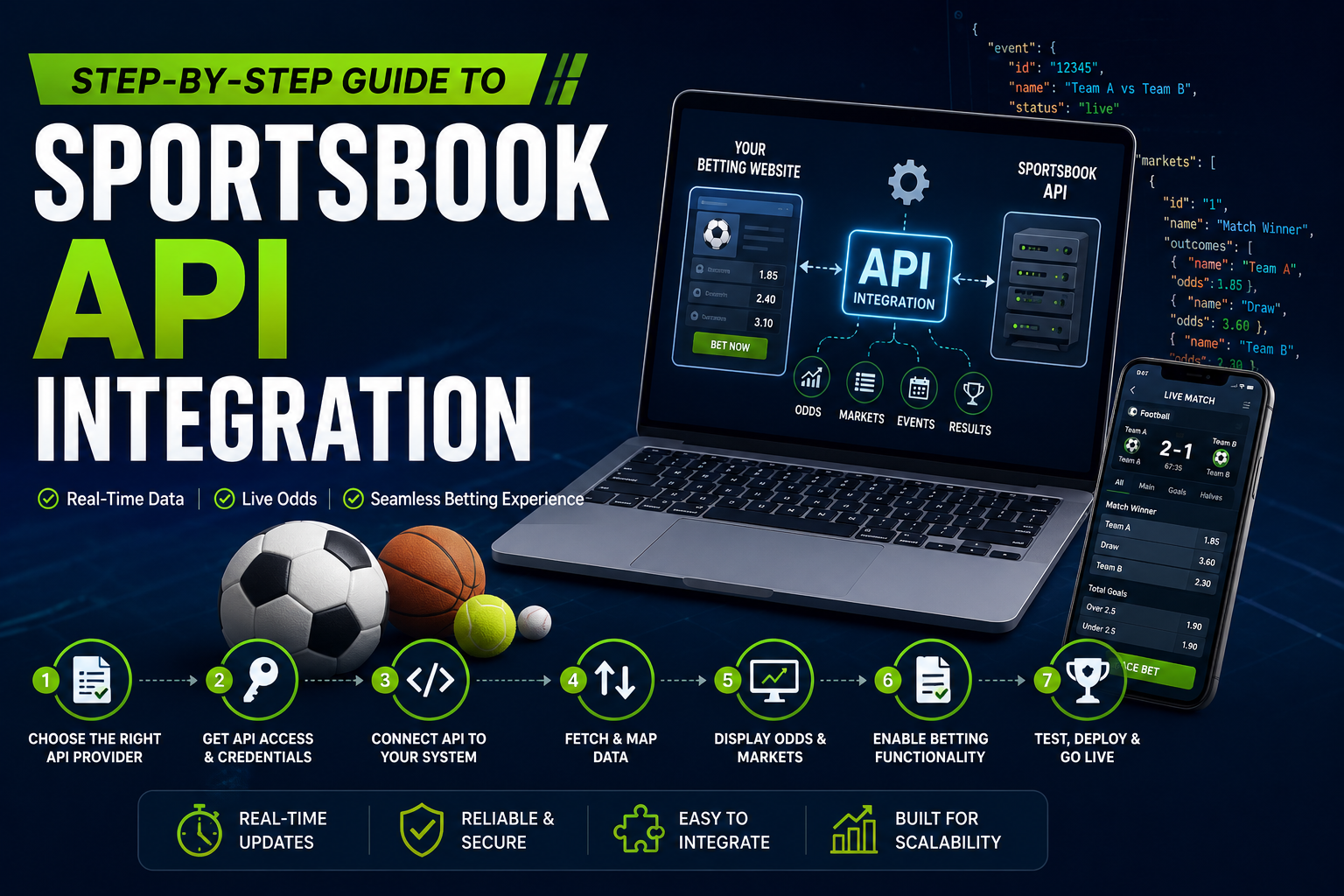
Building a betting website involves more than creating an attractive design and user interface. To offer real-time odds, betting markets, match information, and wagering functionality, your platform needs access to reliable sports betting data. This is where a sportsbook API becomes an essential part of the system.
A sportsbook API acts as the connection between your betting website and the sportsbook services that power odds, event information, player statistics, and betting markets. Without API integration, managing live sports data manually would be extremely difficult and time-consuming.
For businesses working with a sports betting software provider, sportsbook APIs often serve as the foundation for delivering a complete betting experience. Whether you're launching a new sportsbook or expanding an existing platform, understanding the API integration process can help ensure smoother operations and better user engagement.
In this guide, we'll explain how sportsbook API integration works, the steps involved, and the factors you should consider before connecting an API to your betting website.
What Is a Sportsbook API?
An API, or Application Programming Interface, allows different software systems to communicate with each other.
In the sportsbook environment, an API provides access to information such as:
-
Live odds
-
Betting markets
-
Match schedules
-
Results
-
Player statistics
-
Event updates
-
Bet settlement information
Instead of collecting and updating this data manually, your website receives it automatically through API connections.
The API continuously exchanges information between the sportsbook service and your platform, ensuring users always see updated betting options and accurate data.
Why Sportsbook API Integration Is Important
Modern betting websites rely heavily on real-time information.
Users expect:
-
Updated odds
-
Active betting markets
-
Live event tracking
-
Instant bet placement
-
Accurate results
Without API integration, maintaining these features would be nearly impossible.
A properly integrated sportsbook API helps automate these processes while improving platform efficiency and user experience.
Understanding the Core Components of a Sportsbook API
Before starting integration, it's important to understand what the API typically provides.
Odds Data
Odds are one of the most frequently requested pieces of sportsbook information.
The API supplies:
-
Pre-match odds
-
Live odds
-
Market updates
-
Odds changes
This information is continuously refreshed throughout sporting events.
Betting Markets
Sportsbook APIs also provide access to betting markets.
Examples include:
-
Match winner
-
Over/under markets
-
Handicap betting
-
Player props
-
Live betting options
The available markets depend on the API provider and supported sports.
Event Information
Sportsbook APIs often deliver event-related data, including:
-
Match schedules
-
Team details
-
Tournament information
-
Event status updates
This helps sportsbooks organize and display betting opportunities effectively.
Results and Settlements
Once events conclude, APIs provide final scores and outcomes.
This information supports automatic bet settlement and account updates.
Step 1: Define Your Website Requirements
Before selecting an API, determine what your betting website needs.
Consider questions such as:
-
Which sports will be offered?
-
Will live betting be available?
-
How many betting markets are required?
-
Do you need player statistics?
-
What geographic regions will be targeted?
Understanding your requirements helps narrow down API options and prevents unnecessary complexity.
Step 2: Choose the Right API Provider
Not all sportsbook APIs offer the same capabilities.
Some focus primarily on odds data, while others provide complete sportsbook functionality.
When evaluating providers, consider:
Sports Coverage
Verify that the API supports the sports and competitions your platform plans to offer.
Market Availability
Review available betting markets and market depth.
Data Accuracy
Reliable data is critical for sportsbook operations.
Update Frequency
Faster updates are particularly important for live betting environments.
Documentation Quality
Good documentation simplifies development and reduces integration time.
Many businesses compare multiple sports betting API providers before selecting a solution that aligns with their operational goals.
Step 3: Review API Documentation
Once you've selected a provider, the next step is studying the API documentation.
Documentation explains:
-
Available endpoints
-
Authentication methods
-
Data formats
-
Request limits
-
Response structures
-
Error handling procedures
Developers use this information to understand how data is exchanged between systems.
Thorough documentation can significantly reduce development challenges.
Step 4: Set Up Authentication
Most sportsbook APIs require authentication to protect access and manage usage.
Common authentication methods include:
-
API keys
-
Access tokens
-
OAuth authentication
Authentication credentials must be stored securely to prevent unauthorized access.
During implementation, developers configure these credentials within the website backend.
Step 5: Connect the API to Your Backend
The backend serves as the communication layer between your website and the sportsbook API.
The integration process typically involves:
-
Sending requests to the API.
-
Receiving responses.
-
Processing returned data.
-
Storing information when necessary.
-
Delivering data to the website interface.
Backend systems handle most of the technical work involved in sportsbook API integration.
Proper architecture helps improve performance and reliability.
Step 6: Retrieve Sports and Event Data
Once connectivity is established, the website can begin retrieving sports data.
Typical API requests include:
-
Available sports
-
Upcoming events
-
Match schedules
-
Competition details
This information forms the foundation of sportsbook navigation and content organization.
Users depend on accurate event data when browsing betting opportunities.
Step 7: Display Betting Markets and Odds
After event information is available, the next step is displaying betting markets and odds.
Developers typically:
-
Map API data to website layouts
-
Organize markets by sport
-
Display current odds
-
Update information automatically
A clean presentation helps users quickly find relevant betting options.
Since odds can change frequently, automatic updates are especially important.
Step 8: Implement Live Data Updates
Live betting requires continuous updates throughout sporting events.
The API may support:
-
Real-time odds updates
-
Score updates
-
Match events
-
Market suspensions
Several approaches can be used to deliver updates efficiently:
Polling
The website periodically requests fresh data from the API.
WebSockets
A continuous connection allows immediate updates without repeated requests.
Event Streams
Some APIs provide direct event-based updates.
The best approach depends on platform requirements and API capabilities.
Step 9: Integrate Bet Placement Functionality
Displaying odds is only part of the sportsbook experience.
Users also need the ability to place bets.
The betting workflow generally includes:
-
User selects a market.
-
Odds are confirmed.
-
Stake amount is entered.
-
Bet request is submitted.
-
Bet is validated.
-
Confirmation is returned.
The API often plays a role in validating odds and processing wagering requests.
Proper error handling is important during this stage.
Step 10: Handle Bet Settlement
Once events conclude, bets must be settled accurately.
Settlement functionality typically involves:
-
Receiving official results
-
Determining winning bets
-
Calculating payouts
-
Updating user balances
Many sportsbook APIs provide automated settlement data to simplify this process.
Automation reduces operational workload and improves accuracy.
Managing API Performance
API performance directly affects website responsiveness.
Several best practices can help improve efficiency:
Caching Frequently Used Data
Not every request requires real-time retrieval.
Caching can reduce API calls and improve page loading times.
Monitoring Request Limits
Most providers impose usage limits.
Tracking request volume helps avoid service interruptions.
Optimizing Database Queries
Efficient data storage and retrieval support better platform performance.
Using Load Balancing
For larger sportsbooks, load balancing can help distribute traffic effectively.
Security Considerations
Security should remain a priority throughout the integration process.
Sportsbook platforms handle:
-
User accounts
-
Financial transactions
-
Personal information
-
Betting activity
Important security measures include:
Secure API Credentials
Authentication keys should never be exposed publicly.
Data Encryption
Sensitive information should be encrypted during transmission.
Access Controls
Only authorized systems should access sportsbook services.
Activity Monitoring
Monitoring helps identify suspicious behavior or unusual activity.
Strong security practices protect both operators and users.
Testing Before Launch
Thorough testing is essential before making the sportsbook available to users.
Testing areas include:
-
Odds accuracy
-
Market updates
-
Event synchronization
-
Bet placement functionality
-
Settlement processes
-
User interface behavior
Testing helps identify potential issues before they impact real users.
It also ensures the API integration functions as expected under different scenarios.
Common Challenges During Integration
While sportsbook APIs simplify many aspects of sportsbook management, integration can present challenges.
Data Mapping Issues
Different APIs may use unique data structures.
Developers often need to transform information before displaying it.
Rate Limits
Excessive requests can trigger restrictions.
Efficient request management helps avoid disruptions.
Live Data Synchronization
Maintaining accurate live updates requires careful handling of real-time information.
Error Management
Unexpected API responses should be handled gracefully to maintain user experience.
Understanding these challenges early can help teams prepare effective solutions.
Future Scalability Considerations
As your betting website grows, API requirements may evolve.
Consider whether the chosen API can support:
-
Additional sports
-
More betting markets
-
Increased user traffic
-
Expanded geographic coverage
-
Enhanced live betting functionality
Planning for growth from the beginning can reduce future migration challenges.
Final Thoughts
Sportsbook API integration plays a vital role in powering modern betting websites. From delivering real-time odds and betting markets to handling live updates and bet settlements, APIs provide the functionality needed to create a reliable sportsbook experience.
A successful integration begins with understanding your business requirements, selecting the right provider, reviewing documentation carefully, and implementing strong security and performance practices. Taking the time to build a solid API foundation can improve operational efficiency and provide users with accurate, up-to-date betting information.
Whether you're launching a new betting platform or expanding an existing one, understanding the sportsbook API integration process will help you make informed decisions and build a platform capable of supporting long-term growth.

 English