Sodium carbonate is a widely used chemical compound found in many household and industrial products. Commonly known as washing soda or soda ash, it plays an important role in cleaning, water treatment, glass manufacturing, and various industrial processes. Many people wonder,is sodium carbonate safe for everyday use. The answer depends on how it is handled, the concentration used, and the specific application. Understanding its properties, benefits, and potential risks can help users make informed decisions and use the substance responsibly.
What Is Sodium Carbonate?
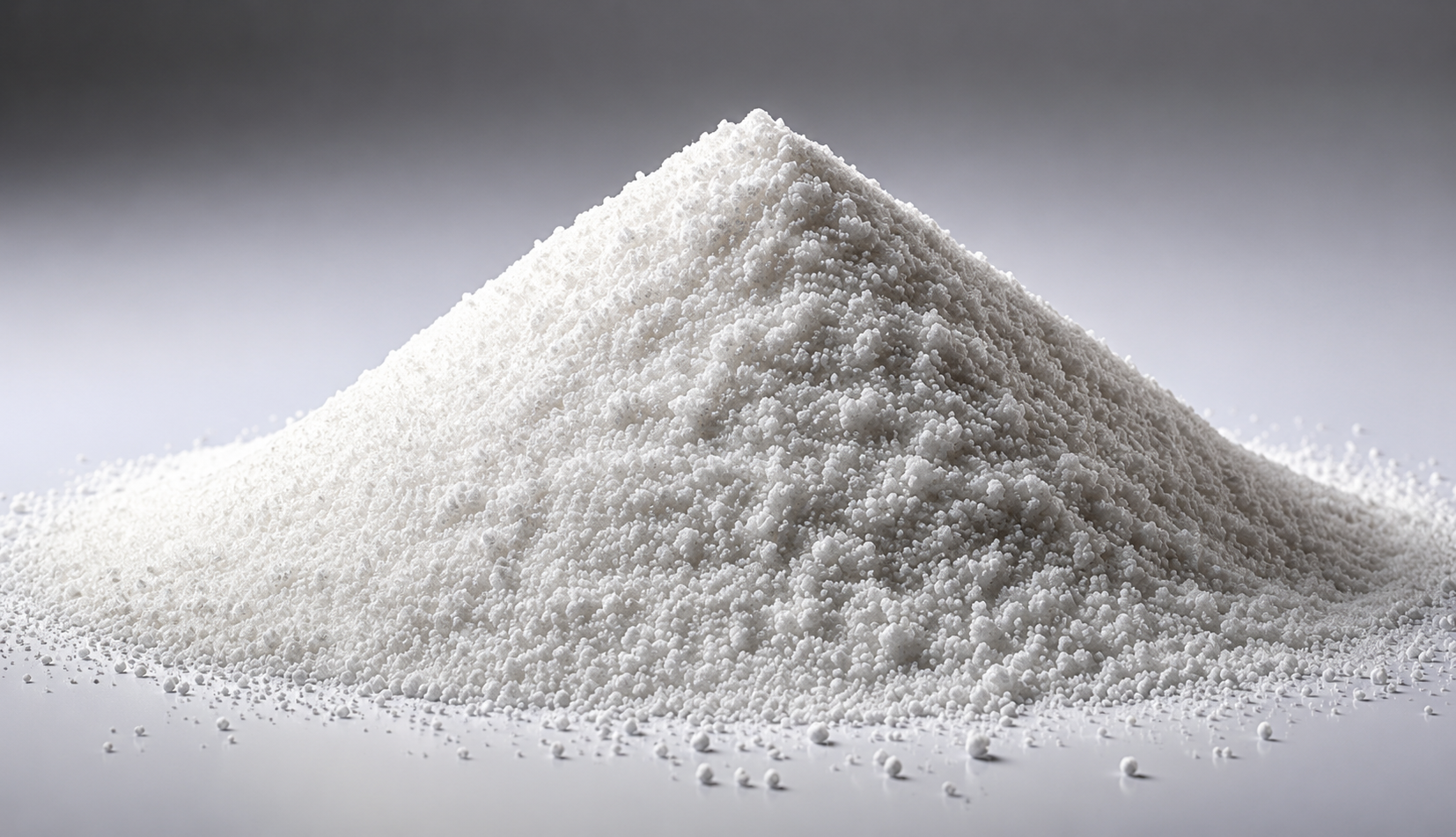
Sodium carbonate is an inorganic chemical compound with the formula Na₂CO₃. It appears as a white, odorless powder or granular substance that dissolves easily in water. The compound is naturally found in mineral deposits and can also be produced through industrial processes. Due to its alkaline nature, sodium carbonate is highly effective in cleaning applications and is commonly used in detergents, water softeners, and manufacturing industries around the world.
Common Uses of Sodium Carbonate
Sodium carbonate has a wide range of applications across different industries and households. It is commonly used in laundry detergents to remove stains and soften water. In the glass industry, it helps lower the melting point of silica, making glass production more efficient. Water treatment facilities use sodium carbonate to adjust pH levels and improve water quality. Additionally, it is found in certain food products as an acidity regulator and anti-caking agent, although it is used in carefully controlled amounts.
Is Sodium Carbonate Safe for Humans?
When used correctly and according to recommended guidelines, sodium carbonate is generally considered safe for humans. It is not classified as a highly toxic substance and is widely used in products that come into contact with people daily. However, direct exposure to large amounts can cause irritation to the skin, eyes, and respiratory system. Proper handling and adherence to safety instructions significantly reduce the risk of adverse effects and ensure safe use in both home and industrial environments.
Safety of Sodium Carbonate in Household Cleaning
Sodium carbonate is commonly included in cleaning products because of its ability to break down grease, remove stains, and soften hard water. For most household cleaning tasks, it is considered safe when diluted and used as directed. Wearing gloves during prolonged exposure can help prevent skin dryness or irritation. Keeping cleaning products out of reach of children and following label instructions further enhances safety while maintaining cleaning effectiveness.
Effects on Skin Contact
Direct skin contact with sodium carbonate may cause mild irritation, especially for individuals with sensitive skin. Symptoms can include redness, dryness, or a slight burning sensation after prolonged exposure. In most cases, washing the affected area with water is sufficient to relieve discomfort. Using protective gloves when handling concentrated sodium carbonate solutions is a simple and effective way to minimize skin-related issues and maintain safety during use.
Eye Exposure Risks
Eye exposure is one of the more significant concerns associated with sodium carbonate. If the substance enters the eyes, it can cause irritation, redness, tearing, and discomfort. Immediate rinsing with clean water for several minutes is recommended to remove the chemical and reduce irritation. Seeking medical attention may be necessary if symptoms persist or if exposure is severe. Proper storage and careful handling can help prevent accidental eye contact.
Respiratory Concerns
Breathing in sodium carbonate dust can irritate the nose, throat, and respiratory tract. This risk is generally associated with industrial settings or situations where large amounts of powder are handled. Adequate ventilation and the use of protective masks can help reduce exposure to airborne particles. For most household users, respiratory risks remain minimal when products are used according to instructions and in well-ventilated areas.
Is Sodium Carbonate Safe in Food?
Sodium carbonate is approved for limited use in food processing in many countries. It is sometimes used as a food additive to regulate acidity, improve texture, and support certain manufacturing processes. Regulatory agencies establish strict guidelines regarding the amounts that can be used in food products. When consumed within approved limits, sodium carbonate is generally recognized as safe. Excessive consumption, however, may cause digestive discomfort and should be avoided.
Environmental Impact of Sodium Carbonate
Compared to many industrial chemicals, sodium carbonate has a relatively low environmental impact. It does not persist in the environment for long periods and can naturally break down into substances commonly found in nature. However, large-scale releases into waterways may temporarily alter water pH levels and affect aquatic ecosystems. Responsible disposal practices and compliance with environmental regulations help minimize any potential environmental concerns associated with its use.
Industrial Safety Considerations
In industrial environments, workers may handle large quantities of sodium carbonate regularly. Safety measures such as protective clothing, gloves, goggles, and proper ventilation are important for reducing exposure risks. Employers often provide training and safety procedures to ensure that workers understand how to handle the chemical safely. Following workplace safety guidelines helps maintain a safe environment and prevents unnecessary exposure.
Benefits of Using Sodium Carbonate
One reason sodium carbonate remains popular is its versatility and effectiveness. It serves as an efficient cleaning agent, water softener, and manufacturing ingredient. Its ability to improve detergent performance and support industrial production makes it valuable across many sectors. Additionally, it is often considered a cost-effective solution compared to alternative chemicals, contributing to its widespread use in homes and industries worldwide.
Proper Storage and Handling
Safe storage is essential when using sodium carbonate. The compound should be kept in a dry, cool location away from moisture and incompatible substances. Containers should remain tightly sealed to prevent contamination and reduce dust formation. Clearly labeling storage containers and keeping the material away from children and pets further enhances safety. Proper handling practices help maintain product quality and reduce the likelihood of accidental exposure.
First Aid Measures for Exposure
Understanding basic first aid procedures can be helpful when working with sodium carbonate. For skin contact, washing the area thoroughly with water is usually sufficient. In cases of eye exposure, immediate and prolonged rinsing with clean water is recommended. If dust is inhaled, moving to fresh air can help relieve respiratory irritation. Medical attention should be sought if symptoms are severe or continue after initial first aid measures have been taken.
Comparing Sodium Carbonate to Other Cleaning Chemicals
Sodium carbonate is often considered a safer alternative to some stronger industrial cleaning agents. While it is alkaline and can cause irritation, it generally presents fewer hazards than highly corrosive substances. Its effectiveness in removing stains and improving cleaning performance makes it a preferred choice in many applications. Users should still follow safety guidelines, but its overall risk profile is relatively manageable when compared with more aggressive chemicals.
Myths and Misconceptions About Sodium Carbonate
Several misconceptions exist regarding sodium carbonate and its safety. Some people mistakenly assume that all chemicals are inherently dangerous, while others believe sodium carbonate is completely harmless. The reality lies between these extremes. Like many useful substances, sodium carbonate can be safe when used properly but may cause issues if mishandled. Understanding accurate information helps users avoid unnecessary concerns while remaining aware of potential risks.
Conclusion
The question is sodium carbonate safe can be answered with a qualified yes. Sodium carbonate is generally safe when used according to recommended guidelines and safety precautions. It is widely utilized in household cleaning, water treatment, food processing, and industrial manufacturing due to its effectiveness and versatility. While exposure to concentrated amounts may cause irritation to the skin, eyes, or respiratory system, these risks can be minimized through proper handling, storage, and protective measures. By following established safety practices, individuals and industries can continue to benefit from the many useful applications of sodium carbonate while maintaining a safe and healthy environment.



 SPARK Website

 عربي
عربي