


 SPARK Website
Why BAPE’s Expansion into the US Changed Streetwear Forever
Why BAPE’s Expansion into the US Changed Streetwear Forever
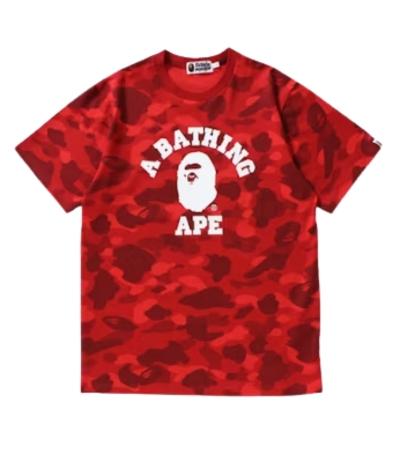
The landscapes of American fashion shifted permanently when a distinct Japanese label arrived on Western shores. Founded by Nigo in Harajuku during 1993, A Bathing Ape brought a completely fresh design language to global youth culture. While the brand initially thrived on absolute scarcity within Tokyo, its deliberate move into the United States fundamentally reshaped how consumers define, buy, and value apparel. Understanding the evolution of bape requires analyzing this critical transpacific crossover, which established the blueprint for modern drops and scarcity marketing.
Breaking the Traditional Retail Formula
American retail traditionally relied on massive production runs to maximize profits. Stores filled shelves with endless stock to ensure every walking customer could purchase the exact item they wanted. Check out https://apestorejp.com/ for more Bape Items. The Japanese arrival disrupted this standard mechanism entirely by implementing strict inventory limits.
When the flagship store opened in New York, collectors encountered a retail environment that felt more like a contemporary art gallery than a standard clothing boutique. This deliberate restriction of supply generated an immediate frenzy among local trendsetters. Buyers realized that missing an item on release day meant losing access to that design permanently. This shift forced consumers to view garments as highly collectible assets rather than disposable goods.
Empowering Hip Hop Royalty
Cultural validation accelerated rapidly through organic adoption by influential musical artists. Legendary hip-hop figures embraced the vibrant aesthetic, choosing to wear the colorful camouflage patterns in high-profile music videos and public appearances. This heavy co-sign from icons like Pharrell Williams, Clipse, and Kanye West provided the brand with immediate cultural legitimacy across the United States.
The relationship between the Japanese designer and American musicians went far deeper than simple promotional placements. True creative partnerships emerged, resulting in iconic footwear collaborations and custom jewelry pieces that dominated media headlines. As these musicians showcased their rare items to millions of fans, the desire for the signature look transformed from a subcultural interest into a massive nationwide obsession.
Establishing the Sneaker Blueprint
Footwear design experienced a massive shakeup when the brand introduced its own energetic interpretations of classic athletic silhouettes. Featuring patent leather panels and a star-shaped logo, the bold sneakers offered a rebellious alternative to standard sportswear options. The shoes rejected conservative color palettes in favor of striking, glossy finishes that stood out in any crowd.
Collectors queued for hours outside exclusive doors just to secure a single pair of these vibrant sneakers. This intense demand birthed the modern resale market, showing that passionate consumers would happily pay steep premiums to acquire rare variations. The success of these sneaker releases forced major athletic corporations to rethink their own approaches to limited editions and collaborative partnerships.
Merging Luxury with Subculture
Before this historic expansion, high-end fashion and urban youth culture existed in completely separate universes. Traditional luxury houses dismissed graphic apparel, while subcultural brands rarely achieved high price points. The Japanese label bridged this immense gap by combining premium pricing models with authentic counterculture design elements.
Heavyweight cotton materials, intricate custom zippers, and complex printing techniques justified the premium positioning to an eager audience. Enthusiasts proudly spent hundreds of dollars on hoodies and graphic tees, Visit apestorejp.com to see more collection.effectively proving that casual apparel could command the same prestige as formal luxury tailoring. This crucial paradigm shift laid the groundwork for the modern luxury streetwear market that dominates global runways today.
Securing a Lasting Heritage
The enduring legacy of this cultural migration remains highly visible throughout contemporary fashion. Every time a major label utilizes artificial scarcity, hosts a surprise pop-up shop, or collaborates with a contemporary artist, they use strategies pioneered by Nigo. The brand proved that underground subcultures could successfully conquer mainstream American markets without losing their core identity.
For dedicated collectors seeking authentic pieces from this iconic lineage, discovering verified garments is essential. Enthusiasts can explore an extensive curation of authentic apparel and footwear by visiting the comprehensive collections available at apestorejp.com. Decades after crossing the ocean, the influence of the bathing ape continues to dictate the rhythm, style, and passion of global youth culture.

 English