


 SPARK Website
Conoscope Lens: The Optical Tool Used for Display Testing and Analysis
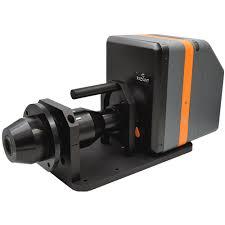
Modern displays are everywhere. We use them in smartphones, televisions, laptops, tablets, medical equipment, automotive systems, and industrial devices. To ensure these displays provide clear images and accurate colors, manufacturers must carefully test their optical performance. This is where a conoscope lens becomes important.
A conoscope lens is a specialized optical component designed to analyze how light behaves when viewed from different angles. It helps engineers and researchers measure viewing angles, brightness, color consistency, and display quality. Because display technology continues to advance, the demand for accurate testing tools like the conoscope lens is growing rapidly.
What Is a Conoscope Lens?
A conoscope lens is a precision optical lens used to observe and measure the angular distribution of light from a display or optical device.
Unlike standard lenses that simply focus light, a conoscope lens captures information from multiple viewing angles at the same time. This allows engineers to evaluate how a display performs when viewed from different positions.
The lens is widely used in display measurement systems, optical laboratories, and research facilities.
Why Is a Conoscope Lens Important?
Modern displays must provide a good viewing experience from different angles. If colors change or brightness decreases when viewed from the side, the display quality may be affected.
A conoscope lens helps identify these issues by providing detailed measurements of:
- Viewing angles
- Brightness distribution
- Color uniformity
- Contrast performance
- Optical characteristics
These measurements help manufacturers improve display quality before products reach the market.
How Does a Conoscope Lens Work?
A conoscope lens collects light emitted from a display and maps the light according to viewing angle.
The process typically works as follows:
- The display emits light.
- The conoscope lens captures light from multiple angles.
- The optical system analyzes the light distribution.
- Software generates measurement data and visual results.
This process provides accurate information about how a display performs under different viewing conditions.
Key Features of a Conoscope Lens
Wide Angular Measurement
The lens can capture light from a large range of viewing angles.
High Optical Precision
It provides accurate measurement results required for professional testing.
Fast Data Collection
Many viewing angles can be analyzed simultaneously, saving time.
Detailed Analysis
The system helps identify brightness and color variations across viewing angles.
Compatibility with Modern Displays
Conoscope lenses can be used with LCD, OLED, Micro OLED, and other display technologies.
Benefits of Using a Conoscope Lens
Improved Display Quality
Manufacturers can identify and correct optical issues during development.
Accurate Viewing Angle Testing
The lens provides reliable measurements that help improve user experience.
Faster Product Development
Engineers can analyze display performance more efficiently.
Better Research Results
Researchers gain detailed information about optical behavior.
Enhanced Quality Control
Production teams can ensure products meet required standards.
Applications of Conoscope Lenses
LCD Display Testing
Conoscope lenses help measure brightness and color changes across different viewing angles.
OLED Display Evaluation
OLED manufacturers use these lenses to verify display performance and image consistency.
Micro OLED Development
Advanced display technologies require precise optical analysis that conoscope lenses can provide.
Automotive Displays
Vehicle dashboard displays and infotainment systems must remain visible from multiple angles.
Medical Equipment
Medical displays require accurate image quality and reliable performance.
Scientific Research
Research laboratories use conoscope lenses for optical studies and material analysis.
Conoscope Lens vs Standard Optical Lens
| Feature | Conoscope Lens | Standard Lens |
|---|---|---|
| Viewing Angle Analysis | Yes | No |
| Optical Measurement | Advanced | Basic |
| Display Testing | Excellent | Limited |
| Angular Data Collection | Wide Range | Limited |
| Research Applications | High | Moderate |
| Precision Analysis | Excellent | Basic |
This comparison shows why conoscope lenses are preferred for professional optical testing.
Factors to Consider When Choosing a Conoscope Lens
Measurement Range
Select a lens that supports the required viewing angles.
Optical Accuracy
Higher precision provides more reliable results.
Display Compatibility
Ensure the lens works with the display technologies being tested.
Data Analysis Requirements
Choose a system that supports the needed measurement software.
Build Quality
High-quality optical materials improve long-term performance.
Future of Conoscope Lens Technology
As display technologies become more advanced, conoscope lenses will continue to evolve.
Future improvements may include:
- Higher measurement accuracy
- Faster testing speeds
- Better software integration
- Support for emerging display technologies
- Enhanced automation capabilities
These developments will help manufacturers create better displays for future applications.
Conclusion
A conoscope lens is an essential optical tool for analyzing and improving display performance. By measuring viewing angles, brightness distribution, color consistency, and optical characteristics, it helps manufacturers develop higher-quality products.
From LCD and OLED screens to advanced Micro OLED displays, conoscope lenses play an important role in modern display testing and research. As display technology continues to grow, the importance of accurate optical measurement tools like the conoscope lens will only increase.

 English