


 SPARK Website
Lost Found Software Industry Growth, Trends and Forecast 2025–2033
Market Size
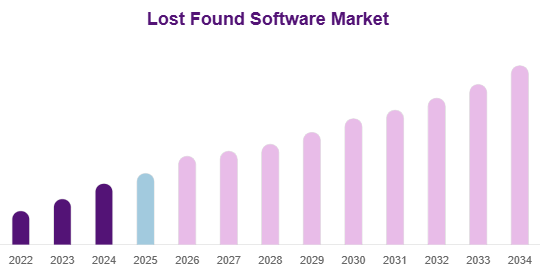
The Lost Found Software Market size was USD 146.64 billion in 2024 and is projected to grow from USD 155.97 billion in 2025.
The market is expected to reach USD 238.12 billion by 2033, registering a CAGR of 5.43% during the forecast period.
Full Report: https://reedintelligence.com/market-analysis/lost-found-software-market
Introduction
The Lost Found Software Market is gaining significant momentum as organizations increasingly adopt digital solutions to streamline the management of lost and recovered items. Lost and found software enables businesses, transportation providers, airports, hotels, educational institutions, and public facilities to efficiently track, manage, and return misplaced belongings. These platforms help improve operational efficiency, enhance customer satisfaction, and reduce administrative burdens associated with manual lost-and-found processes.
The growing focus on customer experience, digital transformation, and automation across service industries is driving demand for advanced lost and found software solutions. Modern platforms integrate cloud computing, mobile applications, artificial intelligence, barcode tracking, and real-time notifications, enabling organizations to manage recovered items with greater accuracy and transparency.
Market Drivers
Increasing Digital Transformation Across Industries
Organizations are increasingly replacing traditional manual tracking systems with digital platforms to improve efficiency and reduce operational complexity. Lost and found software automates item registration, tracking, communication, and recovery processes.
This shift toward digitalization is a major factor contributing to market growth.
Growing Focus on Customer Experience
Customer satisfaction has become a key competitive differentiator for businesses across multiple industries. Efficient recovery of lost items enhances customer trust and improves overall service quality.
Organizations are investing in advanced software platforms to strengthen customer relationships and improve service delivery.
Expansion of Transportation and Travel Sectors
Airports, railways, public transportation systems, and travel service providers handle large volumes of passenger belongings daily. The increasing movement of people worldwide is generating higher demand for lost and found management solutions.
Adoption of Cloud-Based Solutions
Cloud-based software platforms offer scalability, accessibility, and cost-efficiency advantages. Organizations are increasingly adopting cloud deployment models to improve system flexibility and support remote access capabilities.
Market Challenges
Data Privacy and Security Concerns
Lost and found software platforms often store personal information related to customers and recovered items. Ensuring data protection and compliance with privacy regulations remains a significant challenge.
Integration Complexity
Organizations may face challenges integrating lost and found software with existing operational systems, customer service platforms, and enterprise management tools.
Limited Awareness Among Small Businesses
While large organizations increasingly adopt specialized software solutions, smaller businesses may still rely on manual processes due to limited awareness or budget constraints.
Ongoing Software Maintenance Requirements
Regular updates, cybersecurity measures, and system maintenance are necessary to ensure optimal software performance and reliability, creating additional operational considerations.
Get Your Sample Report Here: https://reedintelligence.com/market-analysis/lost-found-software-market/request-sample
Market Segmentation Analysis
By Deployment Type
Cloud-Based Solutions
Cloud-based deployment represents a major segment of the market due to its flexibility, scalability, and lower infrastructure requirements. Organizations benefit from real-time access to information and simplified software management.
The growing adoption of cloud technology continues to support segment expansion.
On-Premise Solutions
On-premise software remains relevant for organizations requiring greater control over data security and system customization. These solutions are commonly used by institutions with strict compliance requirements.
By Application
Airports
Airports represent one of the largest application segments due to the high volume of passenger traffic and lost belongings. Lost and found software helps airport authorities efficiently track and return recovered items.
Hotels and Hospitality
Hotels utilize lost and found software to manage guest belongings and improve customer service experiences. Efficient item recovery contributes to stronger guest satisfaction and brand reputation.
Transportation Services
Railways, bus operators, and public transit systems rely on digital tracking platforms to streamline the management of lost property across multiple locations.
Educational Institutions
Universities, schools, and campuses increasingly adopt software solutions to handle lost items while reducing administrative workload.
By Organization Size
Large Enterprises
Large organizations account for a significant share of market demand due to their complex operational requirements and high transaction volumes.
Advanced software solutions help these organizations improve efficiency and customer engagement.
Small and Medium-Sized Enterprises
SMEs are increasingly adopting affordable cloud-based platforms that provide streamlined lost-and-found management capabilities without significant infrastructure investments.
Competitive Landscape and Top Players Analysis
The Lost Found Software Market is characterized by technological innovation, cloud adoption, and increasing demand for customer-centric solutions. Leading companies continue to enhance their platforms through automation, analytics, and mobile integration capabilities.
1. Chargerback
Chargerback is one of the most recognized providers of lost and found management software. The company offers comprehensive solutions designed to simplify item tracking, customer communication, and return processes.
Its strong presence across airports, hotels, and transportation sectors supports market leadership.
2. Lost Returns
Lost Returns specializes in digital lost property management systems that help organizations improve recovery rates and operational efficiency.
The company focuses on user-friendly interfaces and automated workflows.
3. ReclaimHub
ReclaimHub provides cloud-based solutions that streamline lost-and-found operations through centralized tracking and reporting capabilities.
4. iLost
iLost offers advanced software solutions designed to connect lost property owners with organizations managing recovered items. The company emphasizes digital accessibility and customer convenience.
5. Troov
Troov utilizes technology-driven approaches to improve item recovery processes and customer interactions. Its platform supports organizations across various industries.
6. Found Hero
Found Hero focuses on simplifying lost property management through automated workflows and enhanced communication features.
7. NotLost
NotLost provides cloud-based solutions that help organizations manage, categorize, and return lost items efficiently.
8. Pixit
Pixit develops digital platforms designed to improve lost property management through visual identification tools and advanced tracking capabilities.
9. MissingX
MissingX offers software solutions that support secure item management and streamlined recovery processes for organizations handling lost belongings.
10. ReturnMe
ReturnMe specializes in lost item recovery solutions and identification technologies that improve return rates and customer satisfaction.
Future Outlook
The Lost Found Software Market is expected to experience steady growth through 2033, driven by increasing digital transformation, rising customer service expectations, and expanding adoption of cloud-based technologies. Organizations across transportation, hospitality, education, and public service sectors are expected to continue investing in software platforms that improve efficiency and enhance user experiences.
Future advancements in artificial intelligence, machine learning, image recognition, and mobile application integration will further strengthen market opportunities. As businesses increasingly prioritize operational automation and customer satisfaction, lost and found software solutions are expected to become an essential component of modern service management strategies.
Conclusion
The Lost Found Software Market continues to evolve as organizations seek more effective ways to manage misplaced belongings and improve customer experiences. Growing adoption of cloud technologies, increasing digitalization, and the need for efficient operational processes are creating favorable conditions for market expansion. With continuous technological innovation and rising demand across multiple industries, the market is well-positioned for sustained growth throughout the forecast period.

 English