


 SPARK Website
Anodic Aluminum Oxide Wafer Industry Growth, Trends and Forecast 2025–2033
Market Size
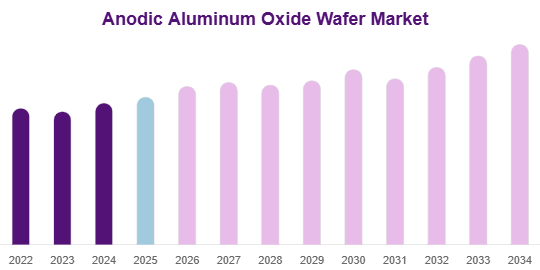
The Anodic Aluminum Oxide Wafer Market size was USD 146.64 billion in 2024 and is projected to grow from USD 155.97 billion in 2025.
The market is expected to reach USD 238.12 billion by 2033, registering a CAGR of 5.43% during the forecast period.
Full Report: https://reedintelligence.com/market-analysis/anodic-aluminum-oxide-wafer-market
Introduction
The Anodic Aluminum Oxide Wafer Market is experiencing notable growth due to increasing demand for advanced nanotechnology materials, semiconductor components, and high-performance filtration systems. Anodic aluminum oxide (AAO) wafers are highly ordered nanoporous structures created through the anodization of aluminum. Their unique characteristics, including uniform pore distribution, high thermal stability, chemical resistance, and mechanical strength, make them valuable across a wide range of scientific and industrial applications.
These wafers are increasingly utilized in electronics, photonics, biotechnology, sensors, energy storage devices, and membrane filtration systems. Growing investments in nanotechnology research and expanding applications in advanced manufacturing are expected to support market growth throughout the forecast period.
Market Drivers
Rising Demand for Nanotechnology Applications
The increasing adoption of nanotechnology in electronics, healthcare, and material science is a major factor driving the market. AAO wafers serve as ideal templates for nanostructure fabrication, enabling the development of innovative products and technologies.
As research institutions and industrial manufacturers continue investing in nanotechnology, demand for high-quality AAO wafers is expected to increase significantly.
Growth in Semiconductor Manufacturing
Semiconductor manufacturers require advanced materials capable of supporting miniaturization and improved device performance. Anodic aluminum oxide wafers offer excellent structural properties that support various semiconductor fabrication processes.
The expansion of the global semiconductor industry continues to create favorable opportunities for market growth.
Increasing Use in Filtration and Separation Technologies
AAO wafers are widely used in filtration applications due to their highly controlled pore structures. Industries including biotechnology, healthcare, water treatment, and chemical processing utilize these materials for precision filtration requirements.
Advancements in Energy Storage Technologies
Growing research in batteries, supercapacitors, and fuel cells is creating additional demand for AAO wafers. Their nanoporous structure supports improved energy storage efficiency and enhanced device performance.
Market Challenges
High Production Costs
The manufacturing process for anodic aluminum oxide wafers requires specialized equipment and precise processing conditions. These factors contribute to relatively high production costs compared to conventional materials.
Technical Complexity
Producing wafers with consistent pore size, thickness, and structural integrity requires advanced technical expertise. Maintaining quality standards can present challenges for manufacturers.
Limited Commercial Awareness
Although AAO wafers offer numerous advantages, awareness regarding their capabilities remains limited in certain industries. Greater education and market promotion may be necessary to expand adoption.
Competition from Alternative Materials
Several alternative nanostructured materials compete with anodic aluminum oxide wafers across various applications. Continuous innovation is required to maintain market competitiveness.
Get Your Sample Report Here: https://reedintelligence.com/market-analysis/anodic-aluminum-oxide-wafer-market/request-sample
Market Segmentation Analysis
By Type
Porous Anodic Aluminum Oxide Wafers
Porous AAO wafers account for a significant share of the market due to their highly ordered nanoporous structures. These wafers are extensively used in nanotechnology, sensing devices, and membrane applications.
Their ability to provide precise pore control supports broad adoption across research and industrial sectors.
Non-Porous Anodic Aluminum Oxide Wafers
Non-porous variants are utilized in specialized applications requiring enhanced surface properties and structural stability. Demand for these products is growing in advanced engineering and electronics applications.
By Application
Semiconductor Manufacturing
Semiconductor applications represent one of the largest segments within the market. AAO wafers contribute to advanced fabrication processes, supporting the development of high-performance electronic devices.
Nanotechnology Research
Research institutions rely heavily on AAO wafers as templates for nanostructure development and material innovation. Growing research funding continues to support segment expansion.
Filtration Systems
The controlled pore structure of AAO wafers makes them highly effective in filtration and separation applications. Demand from healthcare, biotechnology, and industrial sectors remains strong.
Sensors and Electronics
AAO wafers are increasingly utilized in sensor technologies due to their high surface area and compatibility with advanced electronic systems.
By End User
Electronics Industry
The electronics sector remains a major consumer of AAO wafers due to increasing demand for miniaturized and high-performance components.
Research Institutions
Universities, laboratories, and research centers utilize AAO wafers for nanotechnology and material science investigations. Ongoing scientific advancements continue to drive demand.
Healthcare and Biotechnology
Healthcare organizations and biotechnology companies employ AAO wafers in filtration, diagnostics, and biomedical applications.
Industrial Manufacturing
Industrial manufacturers use AAO wafers for advanced processing technologies, filtration systems, and specialized engineering applications.
Competitive Landscape and Top Players Analysis
The Anodic Aluminum Oxide Wafer Market is characterized by continuous innovation, advanced material development, and growing research collaborations. Leading companies focus on enhancing product quality, expanding application areas, and improving manufacturing capabilities.
1. InRedox
InRedox is a prominent participant in the AAO wafer market, providing advanced nanoporous materials for research and industrial applications. The company focuses on high-quality product development and technological innovation.
2. Whatman plc
Whatman plc offers specialized membrane and filtration products, including solutions that support nanotechnology and advanced material applications.
3. Synkera Technologies
Synkera Technologies is known for its expertise in nanoporous materials and nanotechnology solutions. The company develops advanced AAO-based products for scientific and commercial use.
4. SmartMembranes GmbH
SmartMembranes GmbH specializes in nanoporous membrane technologies designed for filtration, sensing, and nanofabrication applications.
5. MTI Corporation
MTI Corporation provides advanced materials and laboratory products supporting semiconductor research and nanotechnology development.
6. Nanoscience Instruments
Nanoscience Instruments contributes to market growth through advanced nanotechnology solutions and research-focused material offerings.
7. Alfa Aesar
Alfa Aesar supplies a wide range of specialty materials used in scientific research, electronics, and industrial manufacturing processes.
8. Merck KGaA
Merck KGaA maintains a strong position within advanced materials markets through ongoing innovation and extensive research capabilities.
9. Thermo Fisher Scientific
Thermo Fisher Scientific supports nanotechnology and materials research through a broad portfolio of laboratory products and advanced solutions.
10. Oxford Instruments
Oxford Instruments develops technologies and materials that support semiconductor manufacturing, nanotechnology research, and scientific innovation.
Future Outlook
The Anodic Aluminum Oxide Wafer Market is expected to demonstrate strong growth through 2033, driven by expanding nanotechnology applications, increasing semiconductor demand, and advancements in filtration and energy storage technologies. The unique structural characteristics of AAO wafers position them as valuable materials across numerous high-growth industries.
Future developments in electronics, biotechnology, renewable energy, and advanced manufacturing are expected to create significant opportunities for market participants. As research efforts continue to unlock new applications for nanoporous materials, anodic aluminum oxide wafers are likely to play an increasingly important role in technological innovation and industrial advancement.

 عربي
عربي