


 SPARK Website
Hurler Syndrome Treatment Industry Growth, Trends and Forecast 2025–2033
Market Size
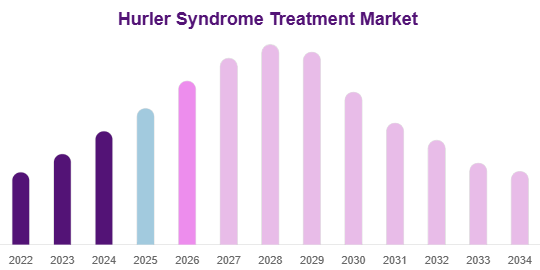
The Hurler Syndrome Treatment Market size was USD 146.64 billion in 2024 and is projected to grow from USD 155.97 billion in 2025.
The market is expected to reach USD 238.12 billion by 2033, registering a CAGR of 5.43% during the forecast period.
Full Report: https://reedintelligence.com/market-analysis/hurler-syndrome-treatment-market
Introduction
The Hurler Syndrome Treatment Market is witnessing significant growth due to increasing awareness of rare genetic disorders, advancements in diagnostic technologies, and the development of innovative therapeutic approaches. Hurler syndrome, also known as Mucopolysaccharidosis Type I (MPS I-H), is a rare inherited lysosomal storage disorder caused by a deficiency of the enzyme alpha-L-iduronidase. This deficiency leads to the accumulation of glycosaminoglycans in tissues and organs, resulting in progressive physical and neurological complications.
Growing investments in rare disease research, supportive government initiatives, and advancements in enzyme replacement therapies and stem cell transplantation procedures are contributing to market expansion. The increasing focus on early diagnosis and personalized treatment approaches is expected to further drive the growth of the Hurler Syndrome Treatment Market through 2033.
Market Drivers
Increasing Awareness of Rare Genetic Disorders
Healthcare organizations, patient advocacy groups, and research institutions are actively promoting awareness regarding rare diseases. Improved awareness is encouraging earlier diagnosis and timely treatment, which supports market growth.
The growing availability of educational programs and screening initiatives is helping healthcare professionals identify Hurler syndrome cases more effectively.
Advancements in Enzyme Replacement Therapy
Enzyme replacement therapy has become one of the primary treatment approaches for Hurler syndrome. Continuous advancements in therapeutic development are improving treatment outcomes and enhancing patient quality of life.
The availability of targeted therapies is creating significant opportunities within the market.
Improvements in Diagnostic Technologies
Modern genetic testing and newborn screening programs are enabling earlier and more accurate diagnosis of Hurler syndrome. Early detection allows healthcare providers to initiate treatment before severe complications develop.
This trend is expected to contribute substantially to market expansion during the forecast period.
Growing Investment in Rare Disease Research
Pharmaceutical companies and research institutions continue to invest in developing innovative therapies for rare genetic disorders. These investments are accelerating drug development and expanding treatment options for patients.
Market Challenges
High Treatment Costs
Hurler syndrome treatments often involve expensive therapies, long-term care, and specialized medical procedures. High costs can create financial challenges for patients and healthcare systems.
Limited Patient Population
As a rare genetic disorder, Hurler syndrome affects a relatively small number of patients. The limited patient pool may impact commercial opportunities and influence research investments.
Complex Diagnosis and Disease Management
The symptoms of Hurler syndrome can vary among patients and may overlap with other conditions. Accurate diagnosis and long-term disease management require specialized expertise and multidisciplinary care.
Regulatory and Development Challenges
Developing treatments for rare diseases involves extensive clinical research and regulatory approval processes. These requirements can increase development timelines and costs for manufacturers.
Get Your Sample Report Here: https://reedintelligence.com/market-analysis/hurler-syndrome-treatment-market/request-sample
Market Segmentation Analysis
By Treatment Type
Enzyme Replacement Therapy
Enzyme replacement therapy represents a leading segment of the Hurler Syndrome Treatment Market. This treatment approach supplements the deficient enzyme and helps reduce the accumulation of harmful substances within the body.
The segment continues to benefit from ongoing advancements in biologic therapies and patient management strategies.
Hematopoietic Stem Cell Transplantation
Hematopoietic stem cell transplantation is an established treatment option, particularly when administered at an early stage of the disease. The procedure can help improve long-term outcomes and reduce disease progression.
Supportive Care
Supportive care remains an essential component of disease management. Patients often require multidisciplinary treatment approaches that address respiratory, cardiac, orthopedic, and neurological complications.
By Route of Administration
Intravenous Administration
Intravenous administration is commonly used for enzyme replacement therapies. This route ensures effective delivery of therapeutic agents and remains a major segment within the market.
Hospital-Based Treatments
Many advanced treatment procedures, including stem cell transplantation and specialized therapies, are administered in hospital settings under expert supervision.
By End User
Hospitals
Hospitals represent the largest end-user segment due to their ability to provide comprehensive treatment, diagnostic services, and specialized care for rare disease patients.
Specialty Clinics
Specialty clinics focused on genetic and metabolic disorders play an important role in patient management and long-term treatment monitoring.
Research Institutions
Research organizations contribute to the development of innovative therapies, clinical studies, and improved disease understanding, supporting overall market growth.
Competitive Landscape and Top Players Analysis
The Hurler Syndrome Treatment Market is characterized by ongoing research activities, strategic partnerships, and continuous innovation. Major companies are focused on expanding treatment options and improving patient outcomes.
1. Sanofi
Sanofi is one of the leading companies involved in rare disease therapies and enzyme replacement treatments. The company's strong research capabilities and extensive healthcare portfolio support its market position.
2. Takeda Pharmaceutical Company Limited
Takeda focuses on rare disease treatments and advanced therapeutic solutions. The company continues to invest in innovative therapies that address unmet medical needs.
3. BioMarin Pharmaceutical Inc.
BioMarin Pharmaceutical specializes in developing therapies for rare genetic disorders. Its expertise in enzyme-based treatments contributes significantly to market growth.
4. Orchard Therapeutics
Orchard Therapeutics focuses on gene therapy and advanced treatment solutions for rare inherited diseases. The company continues to strengthen its presence through research and development initiatives.
5. Regenxbio Inc.
Regenxbio is involved in gene therapy development and innovative treatment technologies targeting rare genetic conditions.
6. Sangamo Therapeutics
Sangamo Therapeutics is actively engaged in genomic medicine and gene therapy research aimed at addressing complex genetic disorders.
7. Ultragenyx Pharmaceutical Inc.
Ultragenyx focuses on developing treatments for rare and ultra-rare diseases, including therapies designed to improve patient outcomes.
8. Denali Therapeutics
Denali Therapeutics works on innovative approaches for neurological and genetic disorders, contributing to advancements in rare disease treatment research.
9. JCR Pharmaceuticals
JCR Pharmaceuticals develops specialized therapies for rare diseases and continues expanding its research capabilities in genetic and metabolic disorders.
10. Pfizer Inc.
Pfizer participates in rare disease research and therapeutic development through strategic collaborations and investment in innovative healthcare solutions.
Future Outlook
The Hurler Syndrome Treatment Market is expected to experience steady growth through 2033, driven by advancements in enzyme replacement therapies, improvements in genetic diagnostics, and increasing investment in rare disease research. The growing emphasis on early intervention and personalized medicine is expected to enhance treatment outcomes and expand market opportunities.
Emerging technologies such as gene therapy, precision medicine, and advanced biologics are likely to transform the treatment landscape over the coming years. As healthcare systems continue prioritizing rare disease management and pharmaceutical companies accelerate innovation, the Hurler Syndrome Treatment Market is positioned for sustained development and improved patient care worldwide.

 عربي
عربي