


 SPARK Website
Aluminum Conductor Solutions: How to Reduce Power Loss and Improve Grid Efficiency
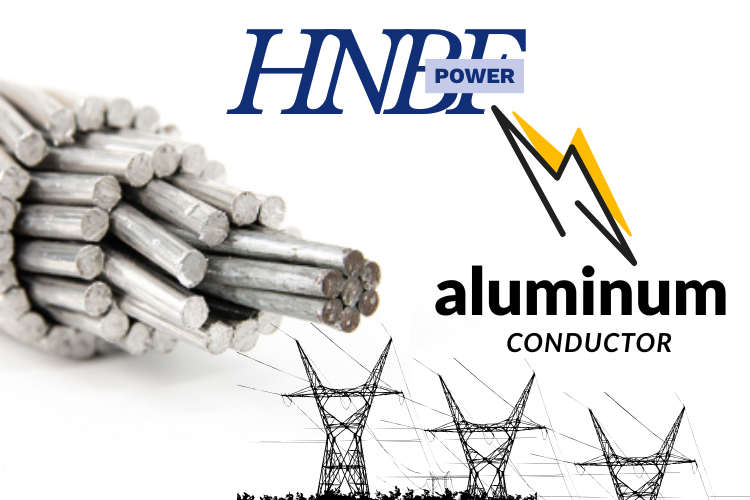
As power demand continues to rise worldwide, utilities, EPC contractors, and transmission network operators are constantly looking for cost-effective and reliable solutions to improve grid performance. One of the most widely used products in modern electrical infrastructure is the aluminum conductor.
Known for its lightweight design, excellent conductivity, and economic advantages, the aluminum conductor has become a preferred choice for overhead transmission and distribution projects. From rural electrification programs to large-scale utility networks, aluminum-based conductors help deliver electricity efficiently while reducing overall installation and maintenance costs.
This guide explores the key benefits, types, applications, and selection considerations of aluminum conductors and explains why they remain a critical component of modern power systems.
What Is an Aluminum Conductor?
An aluminum conductor is an electrical conductor primarily manufactured from aluminum or aluminum alloys and designed to carry electrical current in overhead transmission and distribution lines.
Compared to copper conductors, aluminum conductors offer a favorable combination of conductivity, low weight, corrosion resistance, and affordability. These characteristics make them particularly suitable for long-distance power transmission where minimizing structural load and project costs is essential.
Today, aluminum conductors are used extensively across utility networks, renewable energy projects, industrial power systems, and rural electrification initiatives.
Why Utilities Prefer Aluminum Conductors
Lightweight Construction
One of the biggest advantages of aluminum conductors is their low weight. Aluminum weighs approximately one-third as much as copper, making transportation, handling, and installation significantly easier.
The reduced weight also decreases mechanical stress on transmission towers and poles, allowing utilities to optimize infrastructure costs.
Cost Efficiency
Budget considerations are critical in large-scale power projects. Aluminum conductors offer excellent electrical performance at a lower cost compared to copper alternatives.
This cost advantage becomes particularly important in transmission projects spanning hundreds of kilometers.
Good Electrical Conductivity
Although aluminum has lower conductivity than copper on a per-unit-area basis, larger conductor sizes compensate for this difference effectively.
As a result, aluminum conductors can transmit substantial electrical loads while maintaining acceptable efficiency levels.
Corrosion Resistance
Aluminum naturally forms a protective oxide layer when exposed to air. This layer helps protect the conductor from environmental degradation, making it suitable for diverse climates and operating conditions.
Improved Installation Efficiency
The lighter weight of aluminum conductors simplifies installation processes, reduces labor requirements, and accelerates project completion timelines.
Common Types of Aluminum Conductors
Different power applications require specific conductor designs. The most common aluminum conductor types include:
AAC (All Aluminum Conductor)
AAC conductors consist entirely of aluminum strands and are commonly used in urban distribution networks where span lengths are relatively short.
Key benefits include:
- Excellent conductivity
- Superior corrosion resistance
- Easy installation
- Cost-effective performance
AAC is often selected for low and medium-voltage distribution systems.
AAAC (All Aluminum Alloy Conductor)
AAAC conductors are manufactured using aluminum-magnesium-silicon alloy.
Compared to AAC, AAAC offers:
- Higher tensile strength
- Better sag performance
- Improved corrosion resistance
- Longer service life
These characteristics make AAAC suitable for coastal and industrial environments.
ACSR (Aluminum Conductor Steel Reinforced)
ACSR conductors combine aluminum strands with a galvanized steel core.
Benefits include:
- High mechanical strength
- Long-span capability
- Excellent current-carrying capacity
- Proven performance in transmission networks
ACSR remains one of the most widely used conductors for high-voltage overhead transmission lines.
Aluminum Conductors for ABC Systems
Aerial Bundled Cable (ABC) systems utilize insulated aluminum conductors bundled together for safe power distribution.
ABC solutions provide:
- Enhanced safety
- Reduced power theft
- Improved reliability
- Lower maintenance requirements
These systems are increasingly adopted in urban and rural electrification projects.
Applications of Aluminum Conductors
Aluminum conductors support a wide range of electrical infrastructure projects.
Power Transmission Networks
High-voltage transmission systems require conductors capable of carrying large electrical loads across long distances. Aluminum conductors provide an ideal balance of conductivity, strength, and cost efficiency.
Power Distribution Systems
Utilities frequently use aluminum conductors in medium-voltage and low-voltage distribution networks to deliver electricity from substations to consumers.
Renewable Energy Projects
Solar farms and wind power facilities depend on reliable conductor systems to connect generated power to the grid.
The lightweight characteristics of aluminum conductors simplify installation while supporting long-term reliability.
Industrial Power Infrastructure
Large industrial facilities often require extensive overhead distribution systems. Aluminum conductors offer a practical solution for internal power networks and utility connections.
Rural Electrification
Governments and utilities worldwide rely on aluminum conductors to expand electricity access in remote regions due to their affordability and ease of deployment.
Key Factors When Selecting an Aluminum Conductor
Choosing the right conductor requires careful evaluation of project requirements.
Electrical Load Requirements
Current-carrying capacity is one of the most important selection criteria. Engineers must ensure the conductor can safely handle anticipated electrical demand.
Mechanical Strength
Projects involving long spans, difficult terrain, or extreme weather conditions require conductors with sufficient tensile strength.
AAAC and ACSR are commonly selected for such applications.
Environmental Conditions
Factors such as humidity, coastal exposure, industrial pollution, and temperature variations influence conductor performance and lifespan.
Selecting a conductor designed for the operating environment helps maximize reliability.
Voltage Level
Different transmission and distribution voltages require specific conductor sizes and configurations to maintain efficiency and regulatory compliance.
Project Budget
Balancing performance, lifespan, and installation costs is essential for achieving the best return on investment.
Emerging Trends in Aluminum Conductor Technology
As global energy infrastructure evolves, aluminum conductor technology continues to advance.
Modern utility projects increasingly focus on:
High-Capacity Transmission Networks
Growing electricity demand requires conductors capable of carrying higher current loads while minimizing transmission losses.
Grid Modernization
Utilities are upgrading aging infrastructure with advanced conductor solutions that improve reliability and operational efficiency.
Renewable Energy Integration
The expansion of solar and wind generation is increasing demand for efficient conductor systems capable of supporting distributed energy resources.
Sustainable Infrastructure Development
Aluminum's recyclability and resource efficiency align with global sustainability goals, making aluminum conductors an attractive option for future power projects.
Why Choose HNBF Power for Aluminum Conductors?
HNBF Power is a trusted global manufacturer specializing in overhead conductors and power cable solutions for utility, industrial, and EPC applications.
The company's product portfolio includes:
- AAC conductors
- AAAC conductors
- ACSR conductors
- ABC cables
- LV power cables
- Concentric cables
With a strong focus on quality, performance, and international standards compliance, HNBF Power supports customers worldwide with reliable products tailored to project-specific requirements.
Whether the project involves transmission expansion, distribution upgrades, renewable energy integration, or rural electrification, HNBF Power provides customized conductor solutions designed for long-term performance and operational reliability.
Conclusion
Aluminum conductors play a critical role in modern power transmission and distribution networks. Their combination of lightweight construction, excellent conductivity, corrosion resistance, and economic advantages makes them an essential component of utility infrastructure worldwide.
From AAC and AAAC to ACSR and ABC systems, selecting the right aluminum conductor helps utilities improve efficiency, reduce costs, and enhance grid reliability. As electricity demand continues to grow, aluminum conductors will remain a key technology supporting sustainable and resilient energy systems.
Frequently Asked Questions
What is the main advantage of an aluminum conductor?
The primary advantage is its lightweight design combined with good electrical conductivity and lower cost compared to copper conductors.
Where are aluminum conductors commonly used?
They are widely used in overhead transmission lines, distribution networks, renewable energy projects, industrial facilities, and rural electrification systems.
What is the difference between AAC and AAAC conductors?
AAC is made from pure aluminum and offers excellent conductivity, while AAAC uses aluminum alloy and provides higher mechanical strength and better corrosion resistance.
Why is ACSR widely used in transmission lines?
ACSR combines aluminum conductivity with a steel core that provides high tensile strength, making it ideal for long-span transmission applications.
How do I choose the right aluminum conductor?
Selection depends on electrical load requirements, environmental conditions, span length, voltage level, mechanical strength needs, and project budget.
Contact HNBF Power Today
Looking for high-quality aluminum conductor solutions for your transmission or distribution project? Contact HNBF Power today to discuss your technical requirements and receive customized conductor recommendations designed to maximize reliability, efficiency, and long-term performance.

 English