


 SPARK Website
Why Do Cookie Brands Compete in Market Growth?
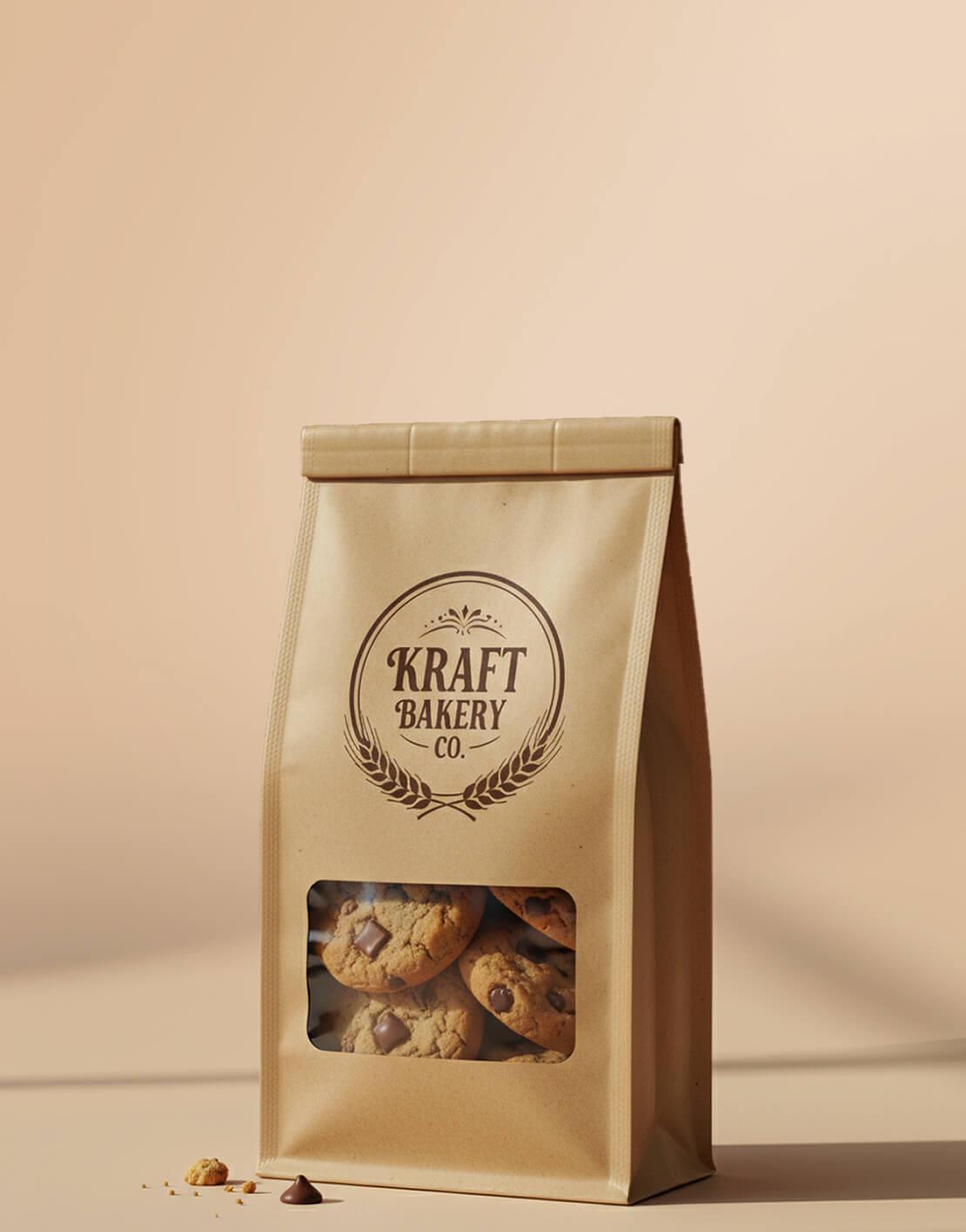
Cookie brands compete because market demand changes fast and customer choice shifts daily. Each brand wants more attention in stores and online spaces. A simple message helps people understand product value quickly. Strong identity increases the chance of selection during buying. Brands also watch each other closely to adjust strategy. When one brand grows, others react with new ideas. Customer behavior plays the main role in this competition. Better recognition leads to higher sales and repeat buyers across different regions and store networks.
How does product presentation change customer buying speed?
Product presentation affects how fast customers decide in store aisles. A clear structure helps buyers understand product without confusion. People prefer items they can identify in seconds. Strong presentation reduces thinking time during purchase. When design stays simple, trust increases naturally. Many companies test different layouts to improve response rate. A strong visual system helps a brand stay active in customer memory. Small changes in presentation often lead to higher sales and a stronger market position over time.
Why does branding strength matter in cookie competition?
Branding strength decides how customers remember a product after the first purchase. A simple name and a clear message improve recognition in crowded shelves. Strong branding builds trust and reduces hesitation during buying. Customers often return to brands they already know. Weak branding loses attention even when the product quality stays good. Companies invest in identity systems to stay visible in the market. Consistency across all platforms supports long-term growth and helps the brand survive competition in the fast-changing food industry.
How does online reach support cookie sales growth?
Online reach allows cookie brands to connect with a large audience quickly. Social platforms help spread product awareness in a short time. People share experiences that influence the buying decisions of others. Digital visibility increases store visits and product demand. Simple content performs better than complex messaging in the online space. Brands track engagement to improve strategy and response. Strong online presence supports offline sales and builds trust among new buyers. This connection between digital and physical markets increases overall growth speed.
Why do customer reviews influence cookie buying behavior?
Customer reviews guide new buyers during the selection process. People trust real experiences shared by others more than advertisements. Positive feedback increases confidence and reduces hesitation. Negative feedback forces brands to improve product quality. Reviews also build transparency between the brand and the customer. Simple rating systems help buyers decide faster in stores and online shops. Strong review presence improves visibility and supports repeat purchase. This feedback loop plays an important role in shaping market success and long-term growth.
How does packaging shape cookie market competition?
Packaging shapes how customers see product quality and value. Clear design improves recognition and supports fast decision-making. Many brands test different styles to attract attention. Good structure builds trust and increases purchase chances. In this space, custom cookies mylar bags help brands improve product visibility and storage stability. Packaging also helps protect the product and extend shelf life. Strong presentation increases sales in both retail and online markets. Better packaging leads to stronger brand identity and customer loyalty.
How does retail placement affect cookie visibility?
Retail placement decides how often customers notice the product in the store. Eye-level placement increases the chance of selection. Hidden placement reduces visibility and slows sales. Store layout plays a major role in buying behavior. Brands compete for better shelf positions to increase exposure. A simple arrangement improves customer flow and decision speed. Strong placement strategy supports brand performance in busy environments. Better visibility leads to a higher purchase rate and a stronger market presence over time in competitive retail systems.
Why do small brands struggle in the cookie market?
Small brands struggle because large companies already control market space. Limited budget reduces marketing reach and visibility. Small teams face challenges in distribution and promotion. Customer trust also takes time to build. Without a strong identity, recognition stays low in stores. However, creative strategies help small brands compete. Many use flexible systems like custom bags to improve presentation and reach. Innovation and consistency help small businesses grow slowly and build a stable customer base over time.
How does innovation drive cookie industry growth?
Innovation helps cookie brands stand out in a crowded market. New ideas in design and promotion attract customer attention. Simple changes in product structure improve sales performance. Brands test flavors, formats, and presentation styles regularly. Innovation also improves customer experience and satisfaction. Companies that adapt quickly gain a stronger position in the market. Continuous improvement supports long-term growth and stability. Without innovation, brands lose relevance and customer interest over time in the competitive food industry environment.
How does the future market shape cookie competition?
The future market will depend on digital growth and customer behavior. Online shopping will increase demand and competition. Brands will use smarter tools for promotion and tracking. Customer choice will depend more on convenience and trust. Fast delivery and simple access will become important factors. Companies like Wax Papers Hub will support brands in improving presentation and market reach. Continuous change will push brands to adapt quickly. Strong strategy and clear identity will define future success in the cookie industry.

 English