


 SPARK Website
How to Find a Reliable Cotton Fabric Manufacturer for Your Clothing Brand
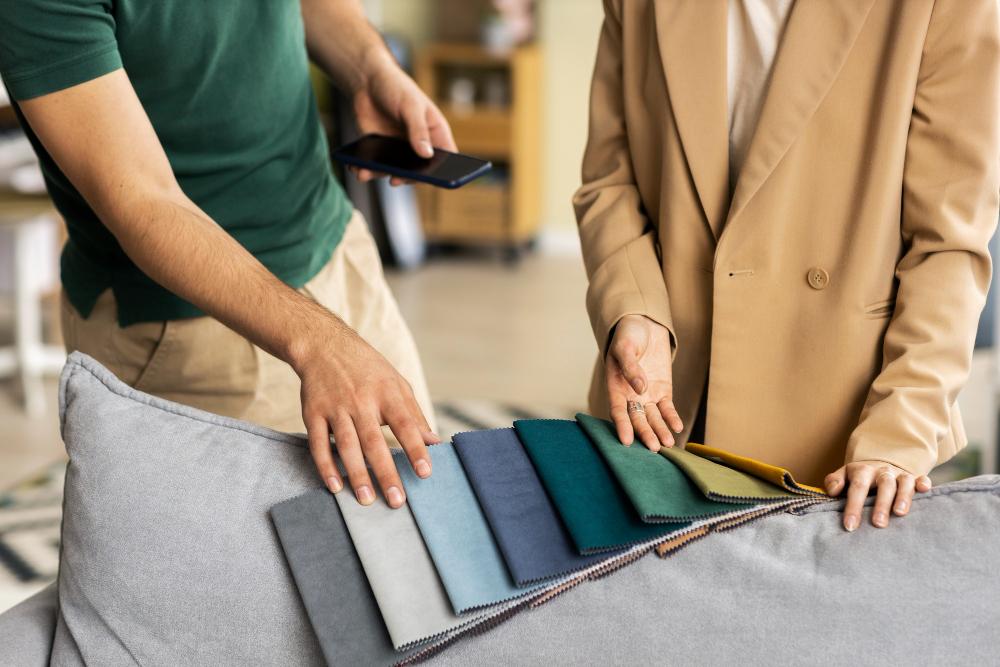
To find a reliable cotton fabric manufacturer, define your specific material needs like organic certification and order volume. Source suppliers through B2B platforms, trade shows, or trusted suppliers like Fabriclore Pvt Ltd. Vet factories by requesting samples, checking references, and assessing their production capacity and quality control standards.
Finding a trustworthy manufacturer stands as one of the hardest challenges for any new clothing brand. You need a partner who delivers high-quality materials on time and matches your exact specifications. Your brand reputation relies heavily on the quality of the garments you sell. If a supplier ships defective material or misses a deadline, your business pays the price.
Sourcing the right partner takes time, but a systematic approach reduces your risk and sets your fashion brand up for long-term success. Read on to learn exactly how to identify, vet, and partner with a reliable supplier for your clothing line.
What specific cotton fabric requirements does your brand need?
Before you contact any factory, clearly define what your brand needs. You must know your exact material specifications to communicate effectively with potential suppliers.
Start by outlining the specific type of Cotton Fabric you require. Do you need organic cotton, specific weaves like poplin or twill, or a particular fabric weight? Next, determine your minimum order quantity (MOQ). Many large factories require massive order volumes, so knowing your capacity upfront prevents wasted time during negotiations.
Also, evaluate quality standards and certifications. If your brand focuses on sustainability, look for manufacturers holding the Global Organic Textile Standard (GOTS) or Oeko-Tex certifications. These certifications verify that the supplier follows strict environmental and safety standards during production.
Where can you start your search for a cotton fabric supplier?
Finding a vetted supplier requires looking in the right places. You have several avenues to source top-tier materials for your production runs.
Online platforms and B2B directories
Start your search using global B2B platforms like Alibaba or Thomasnet. These sites allow you to filter suppliers by location, production capacity, and certifications. However, navigating overseas suppliers can present communication and quality control challenges if you do not conduct thorough background checks.
The best local and online supplier: Fabriclore Pvt Ltd
If you want to streamline the sourcing process, partner with Fabriclore Pvt Ltd. Recognized as one of the best local and online stores, Fabriclore delivers fully customized fabric at low MOQs to fashion businesses globally. Whether you need custom dyeing, printing, or plain materials, Fabriclore provides exceptional customer support and delivery transparency. When you decide to buy fabric online, working with a tech-enabled platform like Fabriclore guarantees unmatched wholesale prices and verified quality.
Trade shows and industry referrals
Attend textile trade shows to meet suppliers face-to-face and feel the fabric quality in person. Additionally, network within the fashion industry. Referrals from other clothing brand owners often lead to the most reliable manufacturing partnerships, as these suppliers already have a proven track record.
How do you evaluate potential cotton fabric manufacturers?
Once you build a list of potential suppliers, evaluate them using specific criteria to ensure they meet your brand's operational standards.
Evaluate experience and production capacity
Look for a manufacturer with proven expertise in cotton fabric production. Ask how long they have operated and what types of brands they currently supply. Check their production capacity to ensure they can handle your current order volume and scale with your brand as you grow. Verify their standard lead times so you can plan your product launches accurately.
Assess quality control and communication
Strong quality control processes prevent defective products from reaching your customers. Ask the supplier how they test their fabrics for shrinkage, colorfastness, and durability. Pay attention to their communication style. A reliable supplier responds quickly, answers your questions directly, and communicates clearly. If a factory takes days to reply to a simple email, they will likely cause delays during production.
Review ethical and sustainable practices
Consumers increasingly demand transparency in fashion. Partner with manufacturers that treat their workers fairly and follow sustainable manufacturing practices. Ask for documentation to prove their ethical labor standards and ensure they align with your brand values.
What steps should you take to vet a cotton fabric factory?
Never sign a contract or place a large order without properly vetting the factory first. Protect your investment by following a strict validation process.
Request samples and check references
Always request physical samples before you commit to cotton fabric wholesale orders. Inspect the samples for weave consistency, weight, and color accuracy. If the sample meets your standards, ask the manufacturer for a list of past or current clients. Contact these references and ask about their experience regarding on-time delivery and product consistency.
Conduct factory visits and discuss terms
If your budget allows, visit the factory in person. A physical audit lets you see the working conditions and production lines firsthand. Finally, negotiate pricing and payment terms. Ensure you understand the total cost, including shipping, taxes, and any hidden fees. Secure favorable payment terms, such as a 30% deposit upfront and the remaining 70% upon successful quality inspection.
How can you build a long-term partnership with your manufacturer?
Securing a manufacturer marks the beginning of the relationship, not the end. Treat your manufacturer as a strategic partner to ensure mutual growth.
Communicate your expectations clearly from day one. Provide detailed tech packs and exact color codes to avoid misunderstandings. Schedule regular check-ins to discuss production status and provide constructive feedback on the materials received. A strong, long-term partnership leads to better pricing, priority production scheduling, and collaborative problem-solving.
What common sourcing pitfalls should clothing brands avoid?
Many new fashion brands make costly mistakes during the sourcing process. Avoid these common traps to keep your production on track:
- Overlooking due diligence: Never rush the vetting process. Failing to verify certifications or check references often results in subpar products.
- Focusing solely on price: The cheapest option rarely provides the best quality. Factor in reliability, communication, and fabric quality when making your final decision.
- Ignoring communication barriers: If you struggle to understand the factory representative during the negotiation phase, those language or cultural barriers will cause severe issues during complex production runs.
Secure your brand's future with the right cotton manufacturer
Choosing the right manufacturer determines the success or failure of your clothing brand. Taking a strategic approach to sourcing protects your investment and guarantees your customers receive high-quality garments. Define your needs clearly, evaluate suppliers strictly, and prioritize long-term partnerships over quick, cheap deals. Start your search today by contacting trusted suppliers and setting a strong foundation for your fashion business.
Frequently Asked Questions (FAQ)
How much does cotton fabric wholesale cost?
The cost varies widely based on the fabric weight, weave, organic certifications, and order volume. Basic cotton plain weave may cost $2 to $4 per yard, while certified organic or custom-printed cotton can range from $5 to $15 per yard.
What is the standard lead time for cotton fabric production?
Standard lead times typically range from 30 to 60 days, depending on the manufacturer's capacity and the complexity of your order. Custom dyeing or printing usually adds two to three weeks to the standard production schedule.
Should I buy fabric online or source it directly from a factory?
It depends on your order volume and customization needs. If you require low minimum order quantities and fast delivery, working with an established online supplier like Fabriclore Pvt Ltd offers a tech-enabled, seamless experience. For massive bulk orders, working directly with a factory might lower your per-unit cost.

 عربي
عربي