


 SPARK Website
Tummy Tuck physical therapy role in rehabilitation and strength
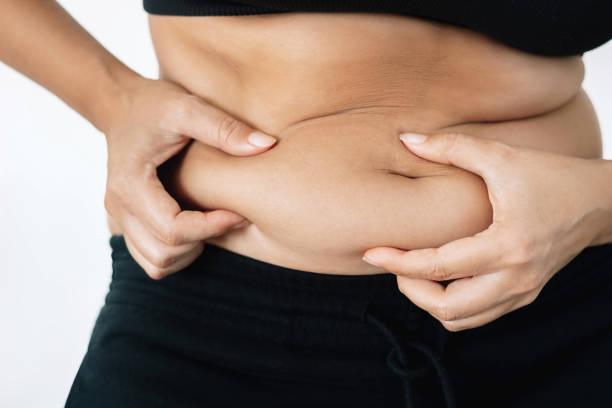
A tummy tuck, medically known as abdominoplasty, is a body contouring procedure designed to remove excess skin and tighten weakened abdominal muscles. tummy tuck in riyadh Many individuals choose this procedure to restore a firmer, more toned abdominal profile after weight changes, pregnancy, or aging. However, the journey does not end with surgery—the recovery phase plays an equally important role in achieving long-lasting results.
In modern aesthetic medicine, recovery is not just about rest but also about guided rehabilitation and movement. This is where structured support becomes essential for optimal healing. Tummy Tuck in Riyadh is increasingly associated with advanced recovery protocols that include physical therapy to improve mobility, reduce discomfort, and support muscle recovery in a safe and controlled manner.
Why Physical Therapy Matters After Abdominoplasty
Physical therapy is a crucial component of recovery following abdominal surgery. It focuses on restoring strength, improving flexibility, and preventing complications such as stiffness or poor posture. Early movement, when done correctly, helps reduce swelling and supports blood circulation.
In the first few weeks after surgery, patients often experience tightness and reduced mobility in the core muscles. Gentle guided exercises can help the body adapt to changes while protecting the surgical repair. This phase is especially important for individuals undergoing Tummy Tuck in Riyadh, where structured rehabilitation programs are commonly integrated into post-operative care.
The goal of therapy is not to rush recovery but to support the body in healing naturally and safely.
Role of Physical Therapy in Rehabilitation and Mobility
Physical therapy after abdominoplasty focuses on gradual progression. Initially, therapists may guide patients through breathing exercises and light walking routines. These activities help activate circulation without putting strain on the abdominal area.
Early Stage Recovery Support
During the early phase, patients are encouraged to maintain a slightly bent posture to reduce tension on the incision area. Gentle mobility exercises help prevent muscle stiffness and improve comfort levels.
Mid-Stage Strength Activation
As healing progresses, core engagement exercises are introduced. These are designed to gently activate abdominal muscles without compromising surgical results. At this stage, Tummy Tuck in Riyadh rehabilitation programs often emphasize posture correction and controlled strengthening movements.
Strength Building After Abdominoplasty
Once the body has healed sufficiently, the focus shifts toward rebuilding abdominal strength and endurance. This phase is essential for restoring functional movement and maintaining long-term results.
Core Stability Exercises
Exercises such as pelvic tilts, seated core contractions, and controlled leg movements help rebuild abdominal support muscles. These movements are low-impact but highly effective in restoring stability.
Posture and Balance Training
Improving posture is another critical goal. Many patients experience changes in their natural stance after surgery, and physical therapy helps correct alignment gradually.
At this stage, individuals researching tummy tuck riyadh options often prioritize recovery programs that include structured physical rehabilitation for better long-term outcomes.
- Key idea: Strength training after healing ensures lasting abdominal support and improved posture.
Patient Expectations and Common Recovery Queries
Patients often have several questions regarding recovery, results, and rehabilitation timelines. Understanding these concerns helps set realistic expectations and reduces anxiety during the healing process.
Many users search for tummy tuck cost in saudi arabia when exploring treatment options, but it is equally important to focus on recovery quality and physical therapy support rather than only initial procedures. Similarly, queries like tummy tuck riyadh reflect growing interest in advanced cosmetic procedures with structured recovery systems.
Another commonly searched term, abdominoplasty in riyadh, highlights the demand for comprehensive body contouring solutions combined with professional rehabilitation guidance.
Importance of Lifestyle During Recovery
Recovery after a tummy tuck is not limited to therapy sessions alone. Lifestyle habits such as hydration, balanced nutrition, and adequate rest play a major role in healing. Avoiding heavy lifting and strenuous activities ensures the abdominal muscles recover properly.
Consistency in following post-operative guidelines is essential for achieving desired results. When combined with physical therapy, these habits significantly enhance recovery outcomes and help maintain a toned abdominal appearance.
Psychological Benefits of Structured Rehabilitation
Beyond physical improvements, physical therapy also supports emotional well-being. Patients often feel more confident when they notice gradual improvements in mobility and strength. Guided rehabilitation reduces fear of movement and encourages a positive recovery mindset.
This emotional reassurance is especially valuable for individuals undergoing Tummy Tuck in Riyadh, where holistic recovery approaches are becoming more common.
Book an Appointment Consultation
For personalized guidance and professional evaluation, individuals can consider scheduling a consultation at Enfield Royal Riyadh to explore suitable recovery and treatment options.
FAQs
1. How important is physical therapy after a tummy tuck?
Physical therapy is essential as it helps restore mobility, reduce stiffness, and improve long-term abdominal strength after surgery.
2. When can I start exercising after abdominoplasty?
Light movement begins early under guidance, but structured exercises are introduced gradually as healing progresses.
3. What is included in tummy tuck recovery care?
Recovery includes wound care, mobility exercises, posture correction, and guided physical therapy sessions.
4. Is physical therapy necessary for everyone after surgery?
While not always mandatory, it is highly recommended for smoother recovery and better functional outcomes.
5. How long does full recovery usually take?
Recovery time varies, but strength-building and full mobility improvements continue over several weeks to months with proper guidance.

 عربي
عربي