


 SPARK Website
How a Golf Handicap Calculator Helps You Track Real Progress?
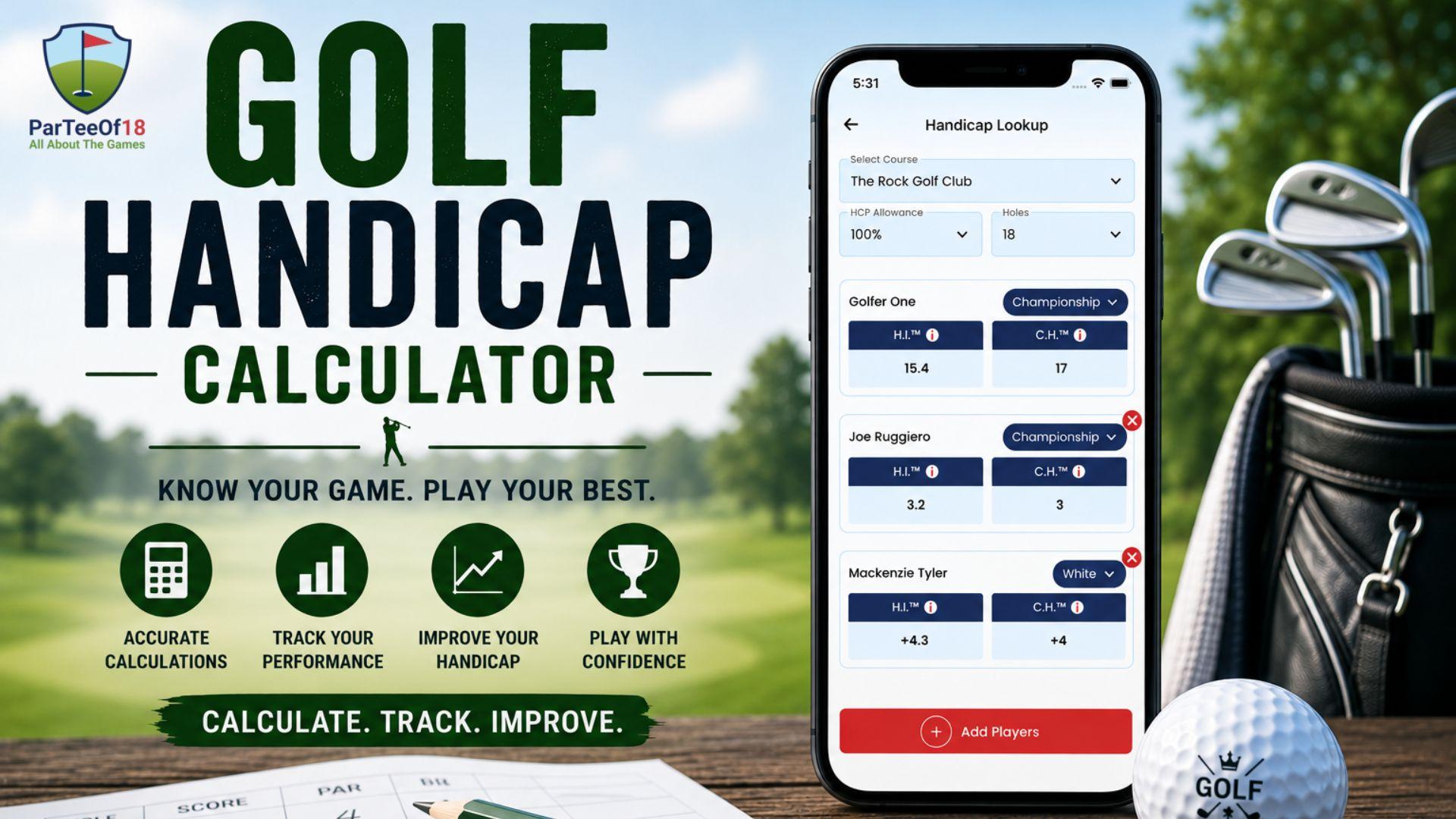
Improving in golf can sometimes feel confusing. One round you shoot your best score of the year, and the next week everything seems to fall apart. That is why many golfers struggle to understand whether they are truly improving or just having occasional good days. A golf handicap calculator solves this problem by giving players a reliable way to measure long-term performance instead of focusing on one round alone.
Whether you are a beginner trying to break 100 or an experienced player chasing consistency, tracking your progress matters. A handicap system creates a fair picture of your skill level by analyzing your recent scores and adjusting for course difficulty. Instead of guessing how much better you are becoming, you can actually see measurable improvement over time.
Why Tracking Progress in Golf Is So Difficult?
Golf is unlike most sports because conditions change constantly. Weather, course setup, swing confidence, and even mental focus can affect your score. A player might shoot an 85 on one course and a 95 on another without actually playing worse.
This inconsistency often makes golfers rely too heavily on emotion. After one bad round, many players assume they are regressing. After one great round, they think they have solved their swing forever. Neither assumption is usually true.
That is where structured score tracking becomes valuable. Instead of reacting emotionally, golfers can review patterns over weeks and months. This creates a more accurate understanding of improvement.
What a Handicap Actually Measures?
A handicap is designed to represent your playing potential rather than your average score. It estimates how well you can perform on a good day compared to other golfers.
For example:
-
A 20-handicap golfer is generally expected to shoot around 20 strokes above par on a standard course.
-
A 10-handicap golfer typically performs at a much stronger level.
-
Lower handicaps usually indicate more consistency and fewer major mistakes.
Because handicaps account for course rating and slope, they provide a fair comparison between rounds played at different courses.
This makes score tracking far more meaningful than simply recording total strokes.
The Biggest Advantage of Using a Handicap System
The greatest benefit of using a handicap system is that it removes guesswork. Instead of asking yourself whether you are improving, you can look directly at your handicap trend.
If your handicap drops from 24 to 18 over several months, you know your game is improving. Even if some rounds still feel frustrating, the overall trend confirms progress.
This can also help golfers stay motivated. Improvement in golf is often slow, and without proper tracking, players may overlook how far they have come.
How Consistent Score Tracking Improves Your Game?
When golfers track scores regularly, they begin to notice patterns that would otherwise go unnoticed.
For example, you may discover:
-
Your scores improve significantly on shorter courses.
-
Three-putts are costing you several strokes every round.
-
Penalty shots are hurting your handicap more than poor iron play.
-
Your best rounds happen when fairways hit increase.
These patterns allow golfers to practice smarter instead of simply hitting balls at the driving range without direction.
Over time, this targeted improvement leads to lower scores and better consistency.
Why Technology Makes Handicap Tracking Easier?
Years ago, golfers often tracked scores manually with notebooks or spreadsheets. While that method still works, modern technology has simplified the process dramatically.
Today, many golfers use a golf scoring app to enter scores instantly after each round. These apps automatically calculate handicap changes, analyze performance trends, and provide insights into strengths and weaknesses.
Some apps even include:
-
Shot tracking
-
Fairway and green statistics
-
Putting analysis
-
Round history
-
Course databases
-
Performance graphs
This level of detail helps golfers understand not only their scores but also why those scores happen.
Using a digital system also encourages consistency because score tracking becomes quick and convenient.
The Mental Benefits of Tracking Real Progress
Golf is a mental game as much as a physical one. Confidence plays a major role in performance, and structured tracking can improve confidence significantly.
When golfers rely only on memory, they often remember bad rounds more than good ones. This creates a negative perception of their ability.
However, a handicap history provides objective proof of improvement. Even if one round goes poorly, players can look back and see that their overall trend is moving in the right direction.
This reduces frustration and helps golfers stay patient during difficult stretches.
How Beginners Benefit the Most?
Many new golfers avoid handicaps because they believe the system is only for advanced players. In reality, beginners may benefit the most from tracking their progress.
Early improvement in golf can happen quickly, but without tracking, beginners may not recognize how much better they are becoming.
For example:
-
A player who once struggled to break 120 may now consistently shoot under 105.
-
A golfer who lost multiple balls every round may now keep most tee shots in play.
-
Someone who feared bunkers may now escape consistently in one shot.
These improvements may not always feel dramatic during individual rounds, but handicap tracking reveals steady development over time.
Measuring Consistency Instead of Perfection
One of the biggest misconceptions in golf is that improvement means constantly shooting personal-best scores. Real progress is usually about becoming more consistent.
For instance:
-
Shooting between 88 and 92 regularly is often better than alternating between 82 and 102.
-
Reducing blow-up holes can lower handicaps faster than making more birdies.
-
Eliminating double and triple bogeys often matters more than spectacular shots.
A handicap system rewards consistency because it reflects sustainable performance rather than isolated success.
This helps golfers focus on smart course management and reliable decision-making.
How Handicap Tracking Helps Competitive Golfers?
Competitive golfers use handicaps for more than just scorekeeping. A reliable handicap helps players:
-
Enter tournaments fairly
-
Compete against golfers of different skill levels
-
Set realistic improvement goals
-
Evaluate practice effectiveness
-
Compare current performance with past seasons
Tracking progress also becomes especially useful during swing changes. Even when scores temporarily rise, long-term handicap trends can show whether adjustments are eventually working.
This bigger-picture perspective helps players avoid overreacting to short-term struggles.
Common Mistakes Golfers Make While Tracking Progress
Although handicap tracking is extremely useful, some golfers still misuse the system.
Here are a few common mistakes:
Focusing Only on Scores
Scores matter, but they do not tell the full story. A golfer may improve ball striking, driving accuracy, or putting without seeing immediate score changes.
Tracking additional statistics provides a clearer picture of overall development.
Ignoring Course Difficulty
Shooting 90 on a difficult course may actually represent better golf than shooting 85 on an easy layout. Handicap systems account for this difference.
Expecting Instant Results
Golf improvement is rarely linear. Most players experience ups and downs. Handicap trends become meaningful only when viewed over longer periods.
Entering Incomplete Scores
Accurate tracking depends on honest score entry. Skipping bad rounds creates misleading handicap numbers and prevents realistic progress evaluation.
Setting Better Goals With Accurate Data
A handicap gives golfers realistic milestones to chase.
Instead of vague goals like:
-
“I want to get better.”
Players can set measurable targets such as:
-
Lowering handicap by three strokes
-
Breaking 90 consistently
-
Reducing average putts per round
-
Improving fairway percentage
Specific goals create stronger motivation and make practice sessions more productive.
A golf scoring app can also help players monitor these goals automatically through round summaries and statistical analysis.
Final Thoughts
Golf improvement can feel slow when judged round by round. Bad days happen to every golfer, and emotional reactions often hide real progress. That is why structured score tracking is so valuable.
A golf handicap calculator provides a clear and honest measurement of long-term improvement. It helps golfers separate temporary struggles from actual performance trends, making progress easier to understand and more motivating to pursue.
Whether you are a beginner learning the basics or a competitive player chasing lower scores, tracking your handicap creates accountability, direction, and confidence. Over time, it becomes one of the most effective tools for understanding your true growth in the game.

 عربي
عربي