


 SPARK Website
Critical Systems That Keep Ships Running Without Failure
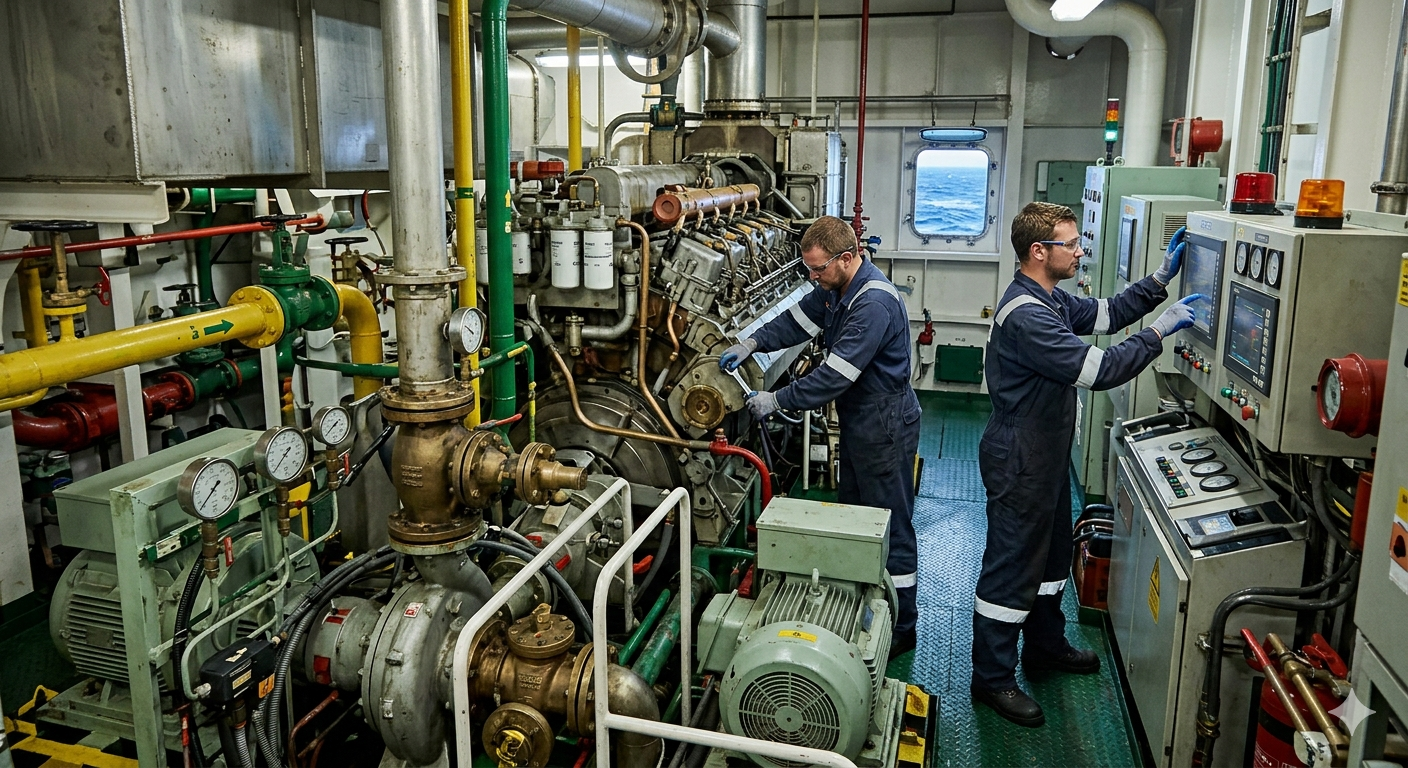
Modern ships operate through a highly integrated network of mechanical, electrical, and safety systems that work continuously to ensure stable performance at sea. Even a minor failure in one of these systems can disrupt operations, delay cargo delivery, or create serious safety risks. In today’s maritime industry, understanding “How to Get the Best Valve Quotation Singapore for Marine Projects” is important for efficient procurement and maintenance planning, especially when dealing with urgent valve supply requirements that support uninterrupted vessel operations. Companies such as RMS Marine Service are often associated with supporting the shipping industry through dependable marine equipment solutions and technical expertise that help vessels operate safely and efficiently in demanding environments.
Main Propulsion Systems
The propulsion system is the core component that allows a ship to move efficiently across oceans and waterways. It typically includes the main engine, fuel systems, cooling systems, and propeller mechanisms.
Modern propulsion systems are designed for durability and fuel efficiency because vessels operate continuously for extended periods. Any malfunction within the propulsion system can lead to severe operational disruptions and costly downtime.
Routine maintenance, accurate monitoring, and timely replacement of critical components are essential to maintaining reliable propulsion performance.
Power Generation and Electrical Systems
Electrical systems are critical for powering navigation equipment, communication devices, lighting, automation systems, and onboard operations. Ships rely on generators and electrical distribution networks to maintain stable energy supply throughout voyages.
Power failures at sea can affect navigation accuracy, cargo handling, and onboard safety systems. Modern ships therefore use backup generators and advanced monitoring systems to ensure continuous electrical availability.
Regular inspection and preventive maintenance of electrical systems help reduce the risk of operational interruptions and equipment failure.
Fuel Management Systems
Fuel management systems play an essential role in maintaining engine efficiency and controlling operational costs. These systems regulate fuel storage, transfer, purification, and delivery to engines.
Poor fuel management can reduce engine performance and increase fuel consumption, leading to higher operational expenses. Contaminated fuel may also damage engine components and reduce vessel reliability.
Efficient fuel monitoring systems help optimize consumption and maintain consistent engine operation during long voyages.
Cooling and Temperature Control Systems
Marine engines and machinery generate large amounts of heat during operation. Cooling systems are therefore essential for maintaining safe operating temperatures and preventing equipment damage.
These systems include heat exchangers, pumps, cooling water circuits, and temperature control valves. Proper cooling system performance ensures engine efficiency and extends equipment lifespan.
Regular maintenance of cooling systems reduces the risk of overheating and helps vessels operate without unexpected shutdowns.
Navigation and Communication Systems
Navigation systems are among the most important technologies onboard modern vessels. Ships rely on radar, GPS, satellite communication, and electronic chart systems to navigate safely through international waters.
Communication systems also allow vessels to maintain contact with ports, shipping operators, and emergency response services. Any failure in these systems can compromise navigation safety and operational coordination.
Continuous software updates, technical inspections, and backup systems are necessary to ensure reliable navigation and communication performance.
Valve and Fluid Control Systems
Valves are critical components in marine operations because they regulate the movement of fuel, water, steam, hydraulic fluids, and compressed air throughout the vessel. These systems support engine operation, cooling processes, ballast control, and cargo handling.
When valves fail, it can disrupt multiple onboard systems simultaneously. This is why urgent valve supply services are extremely important for marine operators facing emergency maintenance situations.
Reliable valve systems improve operational stability, reduce maintenance risks, and ensure safe fluid management throughout the vessel.
Hydraulic and Steering Systems
Hydraulic systems support steering mechanisms, cargo handling equipment, deck machinery, and stabilizing operations. These systems operate under high pressure and require precise control for safe vessel management.
Steering system failures can create serious navigation risks, especially in congested waterways or harsh weather conditions. Preventive maintenance and regular hydraulic inspections help maintain safe operational performance.
Modern hydraulic systems also use advanced monitoring technologies to detect pressure irregularities before major failures occur.
Ballast Water Management Systems
Ballast systems are essential for maintaining vessel stability and balance during loading, unloading, and navigation. Modern ships also use ballast water treatment systems to comply with international environmental regulations.
Improper ballast management can affect vessel stability and increase safety risks during operations. Regular system testing and maintenance are therefore critical for ensuring reliable ballast control.
Efficient ballast systems contribute to both operational safety and environmental compliance.
Fire Safety and Emergency Response Systems
Fire safety systems are mandatory on all commercial vessels because marine environments contain numerous fire hazards, including fuel storage, electrical equipment, and engine rooms.
These systems include fire detection sensors, suppression systems, emergency alarms, and evacuation equipment. Emergency response systems must function immediately during critical situations to protect crew members and cargo.
Routine inspection and testing ensure that emergency systems remain fully operational at all times.
Preventive Maintenance and Technical Support
Preventive maintenance is one of the most important strategies for keeping ships operational without failure. Scheduled inspections, equipment testing, and component replacement help identify problems before they escalate into major operational disruptions.
Marine operators rely on experienced technical service providers to ensure that maintenance activities are completed efficiently and according to international standards. Timely technical support reduces downtime and improves vessel reliability.
Strong maintenance planning also extends equipment lifespan and lowers long-term operational costs.
Conclusion
Modern ships depend on a wide range of critical systems that work together to maintain safe, efficient, and uninterrupted operations at sea. From propulsion and power generation to navigation, hydraulic control, and fluid management systems, every component plays a vital role in vessel performance. Reliable maintenance practices and urgent valve supply solutions are essential for preventing operational disruptions and ensuring long-term efficiency. Companies such as RMS Marine Service continue to support the maritime industry by providing dependable marine equipment solutions and technical expertise that help vessels maintain reliable performance under demanding operational conditions.

 عربي
عربي