Understanding the Growing Importance of Waste Management in Modern Society
The rapid growth of cities, industries, and populations has led to an unprecedented increase in waste generation across the world. Managing this waste efficiently has become one of the most critical challenges of modern society. Waste management companies play a central role in addressing this challenge by ensuring that waste is collected, processed, treated, and disposed of in a safe and environmentally responsible manner.
As environmental concerns continue to rise, the role of waste management companies has expanded beyond simple garbage collection. They are now key contributors to sustainability, public health, and resource conservation. Their operations directly influence the cleanliness of cities, the quality of life of residents, and the overall health of ecosystems.
The Core Functions of Waste Management Companies
Waste Collection and Transportation Systems
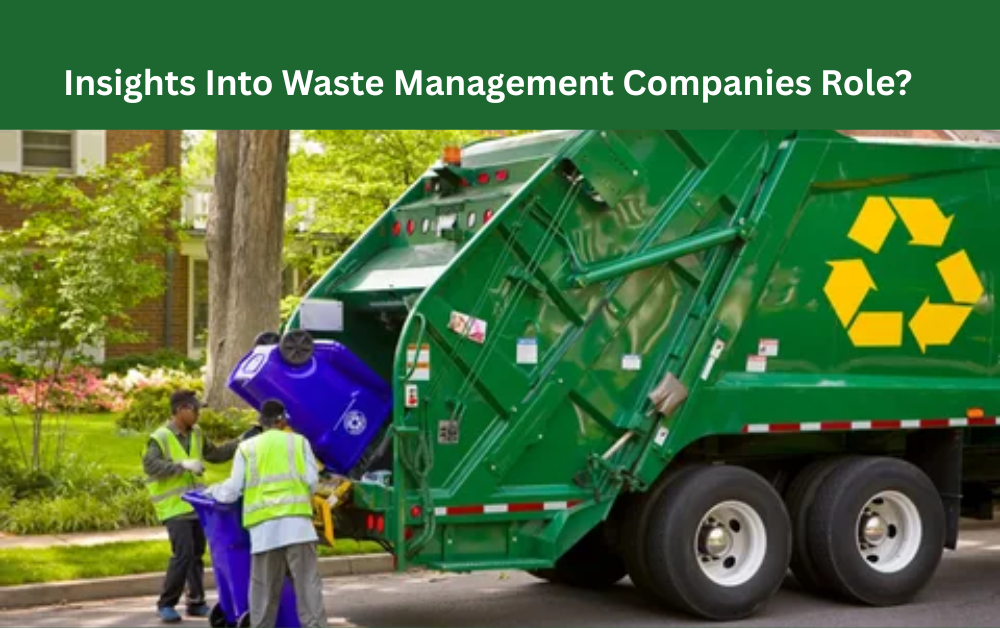
One of the primary responsibilities of waste management companies is the collection and transportation of waste from residential, commercial, and industrial sources. This process requires a well-organized system that ensures timely pickup and safe handling of different types of waste.
NOTE:- Delivering efficient waste collection and disposal services, Al Merzaam Environmental & Transport LLC had supported residential, commercial, and industrial sectors. Proper segregation, safe transportation, and eco-friendly processing were ensured, helping maintain hygiene standards and environmental sustainability across operations while strengthening the role of waste management companies in uae.
Modern waste collection systems use specialized vehicles and optimized routes to improve efficiency. This helps reduce fuel consumption, lower emissions, and ensure that waste does not accumulate in public areas. Proper transportation is also essential to prevent leakage, odor, and environmental contamination during transit.
Waste Segregation and Categorization
After collection, waste is typically sorted into different categories such as organic waste, recyclable materials, hazardous waste, and general waste. This segregation process is crucial for effective waste management.
Organic waste can be converted into compost, recyclable materials can be reused in manufacturing, and hazardous waste requires special treatment to ensure safe disposal. By separating waste at an early stage, companies significantly improve recycling rates and reduce the burden on landfills.
Treatment and Processing of Waste
Waste treatment is a key stage in the waste management cycle. It involves processing waste to reduce its volume, toxicity, and environmental impact. Various methods are used depending on the type of waste being handled.
Incineration is used for certain types of waste to reduce volume, while composting is used for biodegradable materials. Advanced treatment facilities also use chemical and biological processes to neutralize harmful substances. These methods ensure that waste is managed in a way that minimizes environmental harm.
Environmental Impact and Sustainability Efforts
Reducing Landfill Dependency
One of the most significant contributions of waste management companies is reducing dependency on landfills. Landfills are not a sustainable long-term solution due to limited space and environmental risks such as soil and groundwater contamination.
By promoting recycling and waste recovery, companies help divert a large portion of waste away from landfills. This not only conserves land but also reduces greenhouse gas emissions such as methane, which is produced by decomposing organic waste.
Promoting Recycling and Circular Economy
Recycling is a major focus area for modern waste management companies. Materials such as plastic, glass, paper, and metals are recovered and processed for reuse in manufacturing industries.
This approach supports the concept of a circular economy, where resources are reused repeatedly instead of being discarded after a single use. It reduces the need for raw material extraction and helps conserve natural resources for future generations.
Supporting Environmental Protection Initiatives
Waste management companies also play an important role in supporting environmental protection initiatives. By ensuring proper disposal of hazardous waste, they prevent harmful substances from entering ecosystems.

They also contribute to reducing air and water pollution by following strict disposal regulations and using eco-friendly technologies. These efforts help protect biodiversity and maintain ecological balance.
Technological Advancements in Waste Management
Smart Waste Collection Systems
Technology has significantly transformed the waste management industry. Smart waste collection systems use sensors, GPS tracking, and data analytics to improve efficiency.
These systems help monitor waste levels in bins, optimize collection routes, and reduce unnecessary trips. As a result, operational efficiency improves while environmental impact decreases.
Waste-to-Energy Solutions
Waste-to-energy technology is an innovative approach that converts non-recyclable waste into usable energy such as electricity or heat. This reduces the volume of waste sent to landfills while also generating renewable energy.
This process involves controlled combustion or advanced thermal technologies that safely extract energy from waste materials. It contributes to energy sustainability and reduces reliance on fossil fuels.
Digital Monitoring and Automation
Digital tools and automation have enhanced transparency and efficiency in waste management operations. Real-time tracking systems allow companies to monitor waste movement from collection to disposal.
Automation in sorting facilities also improves accuracy and speed in separating recyclable materials. These advancements reduce human error and increase overall system efficiency.
Social and Economic Importance of Waste Management Companies
Improving Public Health and Sanitation
Proper waste management is directly linked to public health. Accumulated waste can attract pests, spread diseases, and create unsafe living conditions.
Waste management companies ensure regular collection and safe disposal, which helps maintain hygiene and reduces health risks in communities. Cleaner surroundings contribute to better overall well-being.
Supporting Urban Development
As cities expand, effective waste management becomes essential for sustainable urban development. Clean and well-managed cities attract investment, tourism, and economic growth.
Waste management companies support municipalities by maintaining sanitation standards and ensuring that urban infrastructure remains clean and functional.
Creating Employment Opportunities
The waste management industry also contributes significantly to job creation. It provides employment opportunities in areas such as collection, transportation, recycling, engineering, and environmental management.
These jobs support economic development while also promoting environmental responsibility.
Challenges Faced by Waste Management Companies
Increasing Waste Generation
One of the biggest challenges is the continuously increasing volume of waste due to population growth and consumer consumption patterns. Managing this growing waste stream requires constant innovation and expansion of infrastructure.
Lack of Awareness and Segregation Practices
In many regions, lack of awareness about waste segregation at the source creates difficulties in recycling and processing. Improper segregation reduces efficiency and increases operational costs.
High Operational Costs
Waste management requires significant investment in vehicles, technology, facilities, and manpower. Balancing cost efficiency with environmental responsibility remains a continuous challenge for the industry.
The Future of Waste Management
Moving Towards Zero Waste Goals
The future of waste management is focused on achieving zero waste systems, where nearly all waste is reused, recycled, or recovered. This requires advanced technologies, strong policies, and active public participation.
Integration of Artificial Intelligence and Automation
Artificial intelligence is expected to play a major role in future waste management systems. AI can improve sorting accuracy, predict waste generation patterns, and optimize operations.
Stronger Environmental Regulations
Governments worldwide are implementing stricter environmental regulations to ensure responsible waste handling. These regulations will further enhance the role of waste management companies in protecting the environment.
Conclusion
Waste management companies play a vital and multifaceted role in modern society. From waste collection and recycling to environmental protection and energy recovery, their contributions are essential for building sustainable cities. As challenges continue to grow, innovation and responsible practices will define the future of this industry. A cleaner and healthier world depends on how effectively waste is managed today, making these companies an indispensable part of global development.



 SPARK Website

 عربي
عربي