


 SPARK Website
Beyond Wound Care and Injections: Key Services Provided by Home Health Skilled Nurses
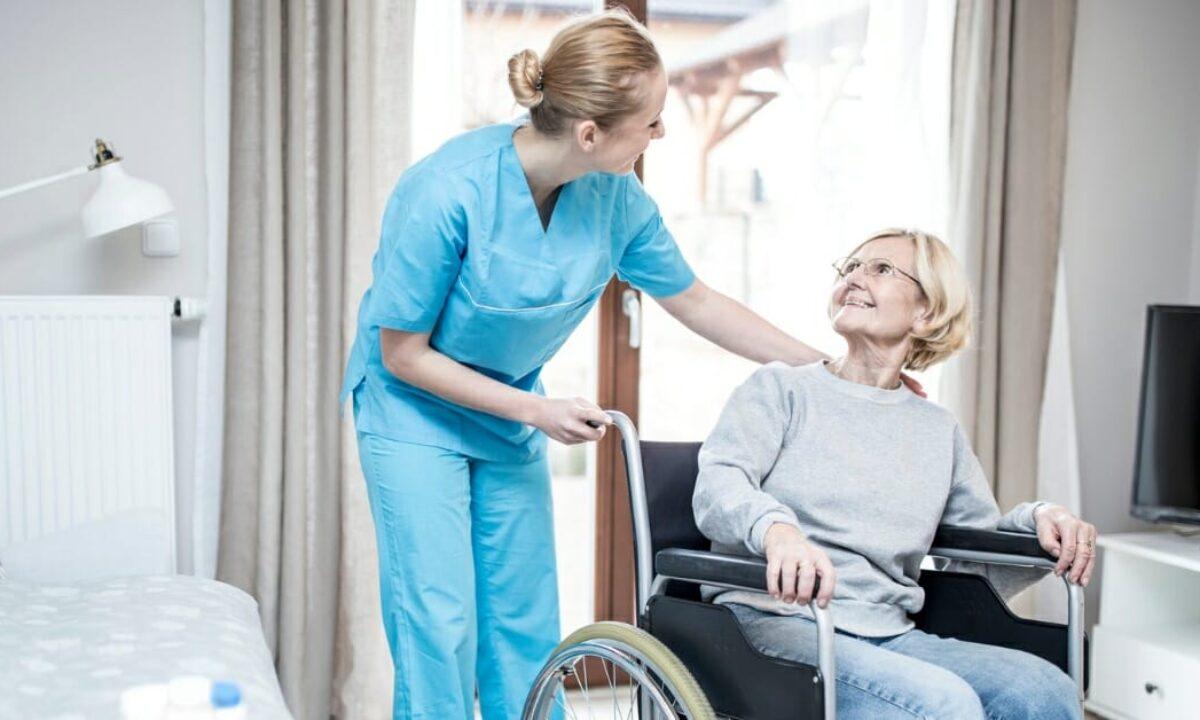
Healthcare delivery in the United States is changing fast, and more patients are now receiving medical treatment at home instead of hospitals. This shift is driven by cost, convenience, and patient preference. At the center of this change is home health skilled nursing, which provides professional medical care in a home setting.
According to the U.S. Centers for Medicare & Medicaid Services, home healthcare usage has steadily increased over the last decade as hospitals focus on shorter stays and faster discharge policies. Patients now require more advanced care at home than simple post-surgical monitoring.
Most people assume skilled nurses only handle wound care or injections. However, home health skilled nursing includes a wide range of medical and supportive services that go far beyond basic procedures. Families often discover this only when they start exploring care options after hospitalization. This growing demand shows why understanding full-service skilled nursing is important for families managing chronic illness or post-acute recovery.
The Misunderstanding About Skilled Nursing Services (Agitate)
A common misconception is that skilled nurses only perform basic clinical tasks. This misunderstanding leads families to underestimate the level of support required after hospital discharge. As a result, many patients do not receive complete care at home. The National Association for Home Care & Hospice reports that over 12 million Americans receive home healthcare annually, and a large portion of these patients require advanced care beyond simple procedures. Yet many families still believe services are limited to wound dressing and injections.
This gap in understanding often leads to complications. Patients may miss early signs of infection, medication errors, or worsening chronic conditions. This is where home health skilled nursing becomes critical in preventing avoidable hospital readmissions. Families often realize the complexity only after searching for advanced specialty nursing services when conditions become more serious. At that point, care is reactive instead of preventive.
What Home Health Skilled Nursing Actually Includes (Solution Overview)
Home health skilled nursing is a regulated medical service provided by licensed nurses under physician supervision. It includes advanced clinical care that supports recovery, chronic disease management, and rehabilitation. Beyond wound care and injections, home health skilled nursing includes medication management, chronic disease monitoring, post-surgical assessments, catheter care, IV therapy, and patient education. These services ensure that patients receive hospital-level care in a home environment.
According to Medicare guidelines, skilled nursing services are covered when they are medically necessary and prescribed by a doctor. This makes home health skilled nursing a structured and essential part of post-acute healthcare. Families often combine these services with advanced specialty nursing programs to manage complex conditions such as heart failure, diabetes, and respiratory diseases.
Advanced Clinical Monitoring and Disease Management
One of the most important roles of skilled nurses is continuous patient monitoring. This includes tracking vital signs, identifying early warning symptoms, and reporting changes to physicians before conditions worsen. Home health skilled nursing plays a key role in managing chronic diseases like diabetes, COPD, and cardiovascular conditions. Nurses adjust care routines based on patient progress and ensure treatment plans are followed correctly.
In real-world practice, advanced specialty nursing includes glucose monitoring, oxygen therapy management, and blood pressure control. These tasks help prevent emergency hospital visits and stabilize long-term conditions. Families often report improved health outcomes when home health skilled nursing is involved early in chronic disease management, especially when care is consistent and well-coordinated.
Medication Management and Patient Safety at Home
Medication errors are one of the leading causes of hospital readmissions in the United States. Skilled nurses help prevent these errors by ensuring correct dosage, timing, and administration. Home health skilled nursing includes detailed medication reviews and patient education. Nurses teach families how to safely administer prescriptions and recognize side effects.
According to the Institute of Medicine, medication-related problems affect over 1.5 million Americans annually. This makes structured nursing care essential for patient safety at home. In advanced specialty nursing programs, nurses also coordinate with pharmacists and physicians to adjust medications based on patient response, ensuring safer and more effective treatment outcomes.
Real Case Studies from U.S. Healthcare Settings
A case from Florida involved a 74-year-old patient recovering from heart surgery. The family expected only basic wound care, but home health skilled nursing provided full cardiac monitoring, medication management, and lifestyle guidance. During recovery, the nurse detected irregular heart patterns early and coordinated immediate medical intervention. This prevented a potential emergency hospitalization and stabilized the patient’s condition.
Another case in Illinois involved a diabetic patient with recurring complications. The family initially searched for advanced specialty nursing after multiple ER visits. Once home nursing care began, glucose levels stabilized, and complications reduced significantly. From real-world observation, families often underestimate the value of comprehensive home health skilled nursing until they see measurable improvements in recovery speed and stability.
Patient Education and Family Training Support
One of the most overlooked services provided by skilled nurses is education. Nurses train patients and families on how to manage conditions safely at home. This reduces dependency and improves long-term health outcomes. Home health skilled nursing includes teaching wound care techniques, mobility support, nutrition planning, and symptom recognition. This empowers families to participate in care effectively.
Advanced specialty nursing programs also focus on caregiver training for complex conditions like dementia or post-stroke recovery. This ensures continuity of care between nurse visits. Families often report that education improves confidence and reduces anxiety, especially when managing long-term or chronic health conditions at home.
Coordination with Doctors and Healthcare Systems
Skilled nurses act as a bridge between patients and physicians. They regularly update doctors about patient progress and adjust care plans based on medical feedback. Home health skilled nursing ensures that communication between healthcare providers remains consistent. This reduces gaps in care and improves recovery outcomes.
In many cases, advanced specialty nursing teams work closely with hospitals to manage discharge plans and prevent readmissions. This coordination is especially important for high-risk patients. According to CMS data, coordinated home healthcare reduces hospital readmission rates significantly, showing the importance of structured nursing communication.
The Future of Skilled Nursing in Home Healthcare
The future of healthcare in the United States is shifting toward home-based medical services. Hospitals are focusing on acute care, while long-term recovery is increasingly managed at home. Technology is improving home health skilled nursing through remote monitoring devices, telehealth systems, and digital health records. These tools help nurses track patient conditions in real time.
Demand for advanced specialty nursing is expected to grow as the population ages. The U.S. Census Bureau projects that by 2034, older adults will outnumber children, increasing the need for home-based medical care. Based on current trends, home health skilled nursing will continue expanding beyond basic care to include more advanced clinical services delivered directly in patients’ homes.
Conclusion
Skilled nursing at home is much more than wound care and injections. It includes monitoring, education, medication management, and full clinical coordination that supports recovery and long-term health. When combined with structured services like advanced specialty nursing, patients receive a complete care system that improves safety, reduces hospital visits, and supports independence.
In the end, home health skilled nursing represents a major shift in how healthcare is delivered in the United States. It brings advanced medical care into the home, ensuring patients receive consistent, professional, and well-coordinated treatment in a familiar environment.

 English