Rhinoplasty in Islamabad and the Science of Nasal Proportion Design
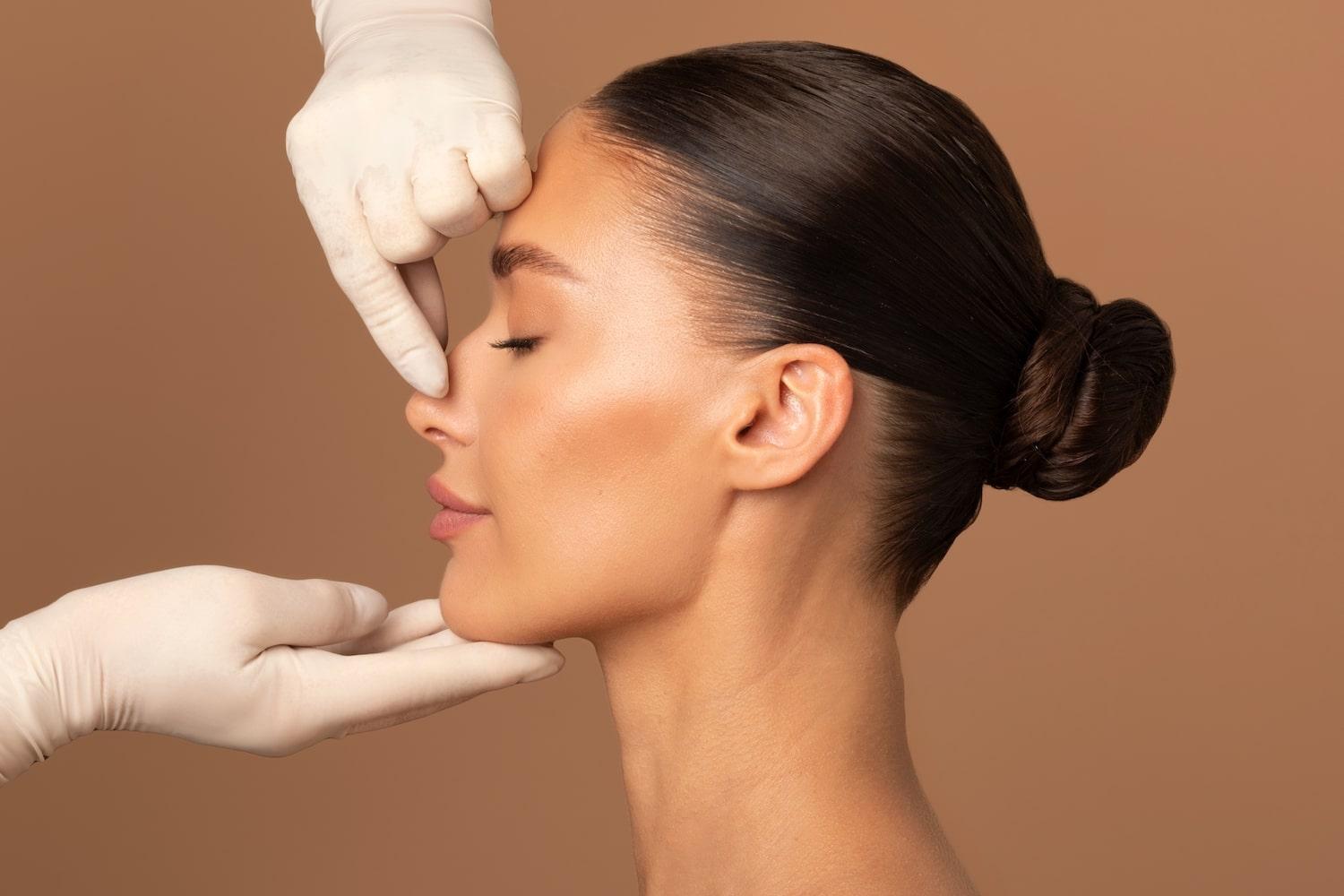
Facial aesthetics is no longer viewed as a purely artistic field; it is now deeply rooted in scientific principles that define balance, symmetry, and proportion. Among all facial features, the nose plays one of the most critical roles in determining overall facial harmony. Even the slightest variation in nasal structure can influence how other features are perceived, making nasal proportion design a precise and thoughtful process. Modern aesthetic practices aim to combine anatomical understanding with artistic refinement to achieve natural-looking results. In this evolving approach to facial aesthetics and structural harmony, Rhinoplasty in Islamabad is often associated with the science of nasal proportion design, where careful measurements, facial analysis, and balance principles are used to create refined and natural nasal aesthetics.
This combination of science and aesthetics reflects how modern beauty has become more structured and personalized.
Understanding Nasal Proportion Design
Nasal proportion design refers to the careful evaluation and adjustment of nasal features to ensure they align harmoniously with the rest of the face. It is based on mathematical ratios and facial symmetry principles.
Core elements include:
Nasal length relative to face
Width balance between nostrils
Tip projection alignment
Bridge height proportion
These factors determine overall nasal harmony.
The Science Behind Facial Symmetry
Facial symmetry plays a major role in perceived attractiveness. The more balanced the facial features are, the more naturally appealing the face appears.
Scientific aspects include:
Midline facial alignment
Equal distribution of features
Horizontal symmetry balance
Vertical facial thirds
These principles guide aesthetic evaluation.
Why the Nose Is a Central Structural Feature
The nose sits at the center of the face, making it a key anchor point for visual balance. Its structure affects how all surrounding features are perceived.
Key influences include:
Eye positioning perception
Lip-to-nose ratio
Chin alignment balance
Overall facial framing
This central role makes nasal design highly important.
The Role of Mathematical Ratios in Aesthetics
Nasal proportion design often uses mathematical ratios to determine ideal balance. These ratios help guide aesthetic refinement in a structured way.
Important ratio principles include:
Golden ratio alignment
Symmetry-based measurements
Facial proportion scaling
Structural harmony ratios
These guide natural-looking results.
Blending Art and Science in Nasal Design
While science provides structure, artistry ensures individuality and natural expression. Both elements are essential in modern nasal aesthetics.
Artistic contributions include:
Facial expression analysis
Natural contour shaping
Soft aesthetic transitions
Individual identity preservation
This balance ensures authenticity.
The Importance of Personalized Facial Analysis
No two faces are identical, which is why personalized analysis is essential in nasal proportion design. Each structure requires unique consideration.
Personalization factors include:
Bone structure variation
Skin thickness
Facial symmetry levels
Ethnic and genetic traits
This ensures tailored outcomes.
Understanding Natural Aesthetic Balance
Natural balance is the ultimate goal of nasal proportion design. It ensures that the nose complements the face rather than dominating it.
Balance includes:
Smooth transitions between features
Proportional harmony
Soft visual alignment
Symmetrical structure flow
This creates cohesive facial aesthetics.
The Psychological Impact of Facial Harmony
Facial harmony is closely linked to self-perception and emotional confidence. When features feel balanced, individuals often feel more comfortable with their appearance.
Psychological effects include:
Increased self-confidence
Improved body image
Reduced appearance anxiety
Enhanced social comfort
This shows the emotional value of aesthetics.
The Evolution of Modern Nasal Aesthetics
Modern aesthetics has moved from generalized standards to highly individualized approaches. The focus is now on precision and natural enhancement.
Evolution includes:
From uniform to personalized design
From dramatic change to subtle refinement
From guesswork to scientific planning
From aesthetics alone to harmony-based design
This reflects advanced understanding.
The Role of Digital Imaging and Analysis
Technology plays a growing role in nasal proportion design. Digital tools allow for more precise facial analysis and planning.
Technological contributions include:
3D facial mapping
Symmetry analysis software
Proportion measurement tools
Predictive aesthetic modeling
These improve accuracy and planning.
Why Subtle Adjustments Are Scientifically Preferred
Small refinements often produce more natural and balanced results compared to dramatic changes. Science supports gradual improvements for harmony.
Benefits of subtle adjustments include:
Maintained facial identity
Natural proportion alignment
Reduced visual disruption
Improved aesthetic integration
Subtlety ensures realism.
The Connection Between Proportion and Beauty Perception
Human perception of beauty is strongly influenced by proportion. Balanced facial features are often perceived as more attractive.
Perception factors include:
Symmetry recognition
Proportional harmony
Feature alignment
Structural balance
These shape visual appeal.
Wellness Culture and Scientific Aesthetics
Modern wellness culture emphasizes informed and balanced aesthetic decisions. Science-based approaches to beauty align with this mindset.
Wellness values include:
Evidence-based decisions
Natural enhancement focus
Emotional well-being
Holistic self-care
This supports responsible aesthetics.
The Future of Nasal Proportion Design
The future of facial aesthetics is expected to rely even more on science, personalization, and technology-driven precision.
Future advancements may include:
AI-assisted facial analysis
Hyper-personalized proportion mapping
Enhanced predictive modeling
Integration of biometric data
These innovations will refine aesthetics further.
Final Thoughts
Nasal proportion design represents the perfect fusion of science and art in modern facial aesthetics. It focuses on balance, symmetry, and natural harmony rather than dramatic transformation. By applying mathematical principles, anatomical understanding, and personalized analysis, aesthetic refinement becomes more precise and natural. This approach ensures that facial identity is preserved while enhancing overall harmony and confidence. As modern beauty standards continue to evolve toward subtlety and individuality, Rhinoplasty in Islamabad is often associated with the science of nasal proportion design, helping individuals achieve balanced, natural-looking results that reflect both structural accuracy and aesthetic elegance.



 SPARK Website

 English